
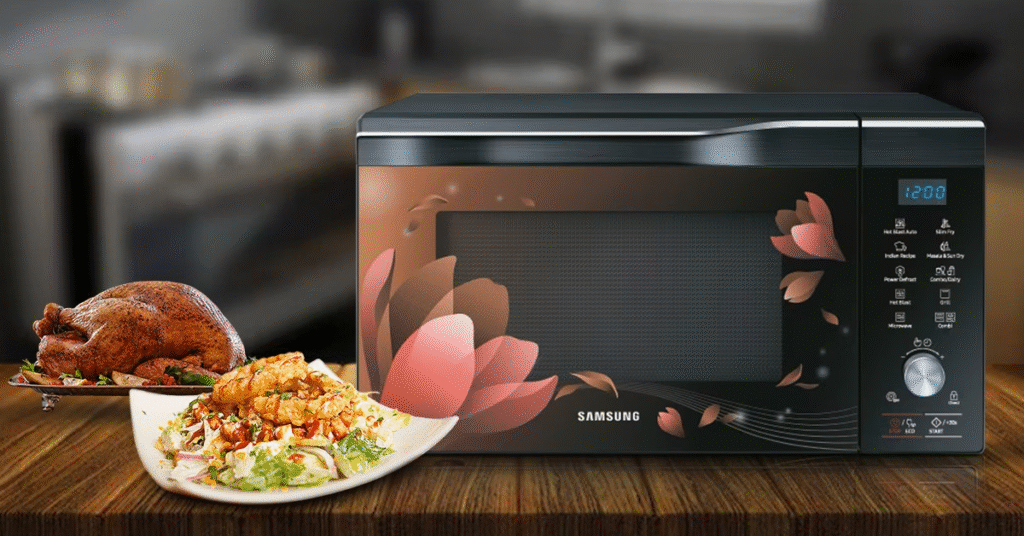
Let’s be honest for a second: nobody gives much thought to their microwave—until it stops working, or until you move into a place without one and realize that Best Microwave heating up last night’s lasagna on the stove takes twenty minutes and dirties three different pans.
For a long time, microwaves were just noisy little boxes sitting on the counter that spun a glass plate around to melt butter, thaw chicken, or fix a cold cup of coffee. But if you’ve walked down an appliance aisle or browsed online store shelves lately, you’ve probably noticed things have gotten surprisingly complex. Today’s machines air-fry, roast whole chickens, bake birthday cakes, proof bread dough, and even sync up with apps on your phone.
With all the technical jargon, preset promises, and shiny control panels out there, figure out what you actually need can feel like a chore. The good news? The “best” microwave isn’t the most expensive one with forty buttons you’ll never touch. It’s simply the one that makes your everyday kitchen routine easier the moment you stand in front of it.
Here is a practical, no-nonsense breakdown to help you cut through the noise and figure out what’s actually worth spending your hard-earned money on.
First Off: How Do You Actually Cook?

Before you start worrying about brand names, stainless steel finishes, or price tags, take a step back and think about how you operate in your kitchen every day. Microwaves generally fall into three basic buckets:
Best Microwave Solo Microwaves (Simple, Honest, and Affordable)
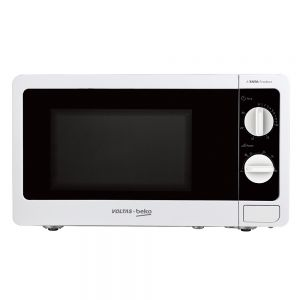
If your daily routine mostly involves warming up meal preps, thawing out frozen meat, making popcorn on movie nights, or boiling water for tea, a solo microwave is really all you need. They rely purely on standard microwave energy to heat the moisture inside your food quickly from the inside out.
- Why people love them: They are cheap, reliable, and super simple to use—usually just a time knob or a few quick buttons. Since they don’t have heavy internal heating coils or bulky fans, they’re light, compact, and don’t eat up much power.
- The drawback: No browning, no crisping, no baking. Food comes out hot, but soft. Reheating last night’s pizza in a solo microwave will inevitably leave you with a chewy, rubbery crust.
Best Microwave Grill Microwaves (For That Extra Crunch)
These take a standard solo microwave and add a dedicated heating element—usually fixed to the ceiling of the inside cavity—that radiates direct thermal heat downward.
- Why people love them: They bridge the gap between basic reheating and actual cooking. The top grill element gives you that direct heat needed to toast sandwiches, sear veggies, melt and brown cheese on top of a casserole, or keep a slice of pizza crisp while the toppings melt.
- The drawback: While great for surface crisping, a grill element can’t circulate air evenly enough to bake dense cake batter or roast big cuts of meat without scorching the top layer.
Best Microwave Convection Microwaves (The Kitchen Workhorse)
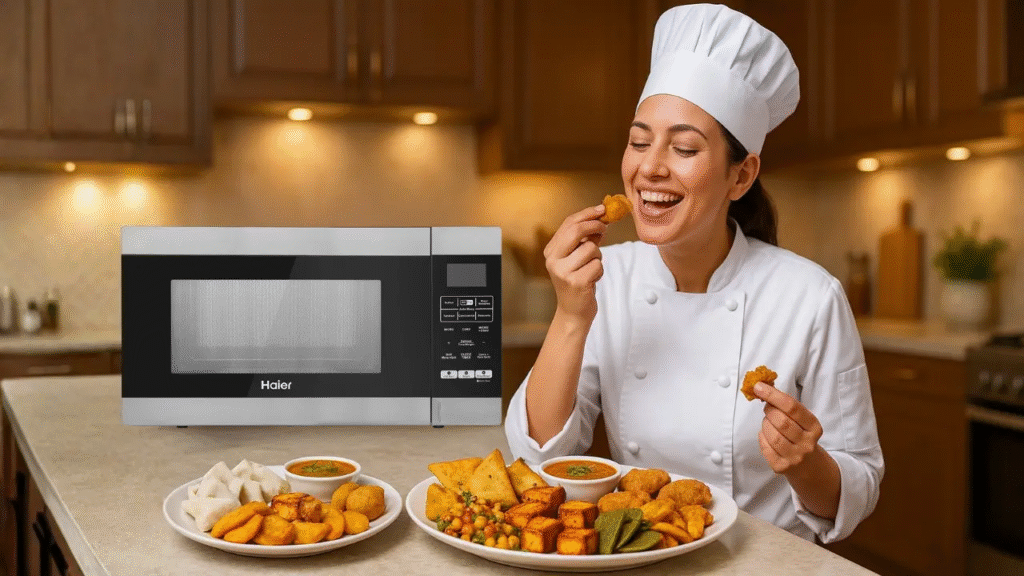
A convection model combines traditional microwave power with a real heating element and a built-in fan that actively circulates hot air around the chamber. It essentially turns the appliance into a fast, mini oven.
- Why people love them: Complete flexibility. You can bake multi-tier cakes, roast a whole chicken, crisp up fries, and handle recipes that require true oven heat. If you live in an apartment, studio, or rental that lacks a proper built-in oven, a convection microwave is an absolute lifesaver.
- The drawback: They cost more, take up significantly more space on the counter, generate real exterior heat, and come with a slight learning curve.
Best Microwave Getting the Size and Fit Right
It sounds obvious, but measure your counter space with an actual tape measure before you order anything online. A very common mistake is forgetting that a microwave needs room to breathe—you always want at least two to three inches of open space around the back and side exhaust vents so the internal components don’t overheat.
- Small (17 to 20 Liters): Great for dorms, studio apartments, or single people. It easily fits standard dinner plates and bowls without hogging your entire prep area.
- Medium (23 to 28 Liters): The sweet spot for most standard family kitchens. It comfortably handles larger serving bowls, medium casserole dishes, and bigger dinner plates without jam-ups against the walls.
- Large (30+ Liters): Built for larger households, meal preppers, or people who bake frequently. You can fit 9×13-inch baking pans, multi-level racks, or full roasting dishes without worrying about the turntable sticking.
Best Microwave Wattage: Why Raw Power Matters
Wattage simply dictates how fast and evenly your food cooks.
- 600 to 800 Watts: Common in small budget models. They’ll get the job done, but heating takes longer, and thick frozen items tend to heat unevenly, leaving you with lukewarm centers and scalding edges.
- 900 to 1100 Watts: The standard sweet spot for modern home kitchens. Liquids boil quickly, meals heat consistently without cold spots, and defrosting takes minutes instead of an eternity.
- 1200+ Watts: High-end, commercial-grade power. Great for speed, but you have to keep a close eye on delicate foods to avoid accidentally overcooking them.
What’s Inside the Best Microwave Box?
The interior coating of the chamber determines how much time you’ll spend scrubbing off dried soup splatters six months down the line.
- Ceramic Enamel: Easily the best option for everyday life. It’s smooth, scratch-resistant, naturally easy to wipe clean, and grease doesn’t stick to it easily. It also won’t rust or stain over time.
- Stainless Steel: Popular in convection units because it reflects heat extremely well, which helps with baking performance. It’s durable and sanitary, but it shows water spots and baked-on grease if you don’t wipe it down fairly quickly.
- Painted Epoxy: Found in budget models. It works fine out of the box, but after a few years of moisture, steam, and scrub pads, the paint can chip or yellow.
Best Microwave Features Worth Paying For (and What to Ignore)
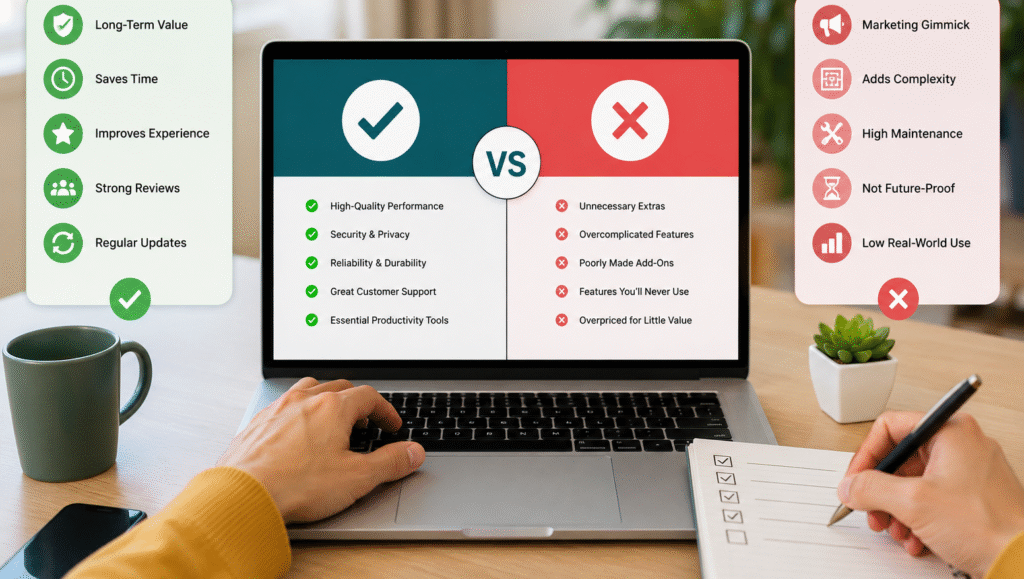
Control panels packed with 40 specialized preset buttons look impressive in advertisements, but in reality, most people end up using about three buttons every single day. Here are the features actually worth your money:
- Inverter Technology: Standard microwaves heat food by cycling 100% full power on and off repeatedly to simulate “medium” heat. Inverters deliver a smooth, continuous stream of lower heat. That means butter melts without exploding, delicate sauces simmer without breaking, and frozen meat thaws evenly from edge to center without cooking the outer rim.
- Humidity Sensors: Instead of guessing timer minutes, internal sensors detect the steam escaping from your food and automatically adjust the cooking time. It takes the guesswork out of reheating leftovers without drying them out into leather.
- One-Touch Express Buttons: Never underestimate the pure convenience of a single “+30 Seconds” or “Start” button you can press repeatedly without thinking.
- Mute Setting & Child Safety: Being able to turn off the operational beeps is a blessing when heating up an early morning coffee or late-night snack while the rest of the house sleeps. Meanwhile, a quick child lock prevents toddlers from turning on an empty machine.
Low-Effort Habits That Make It Last 10 Years
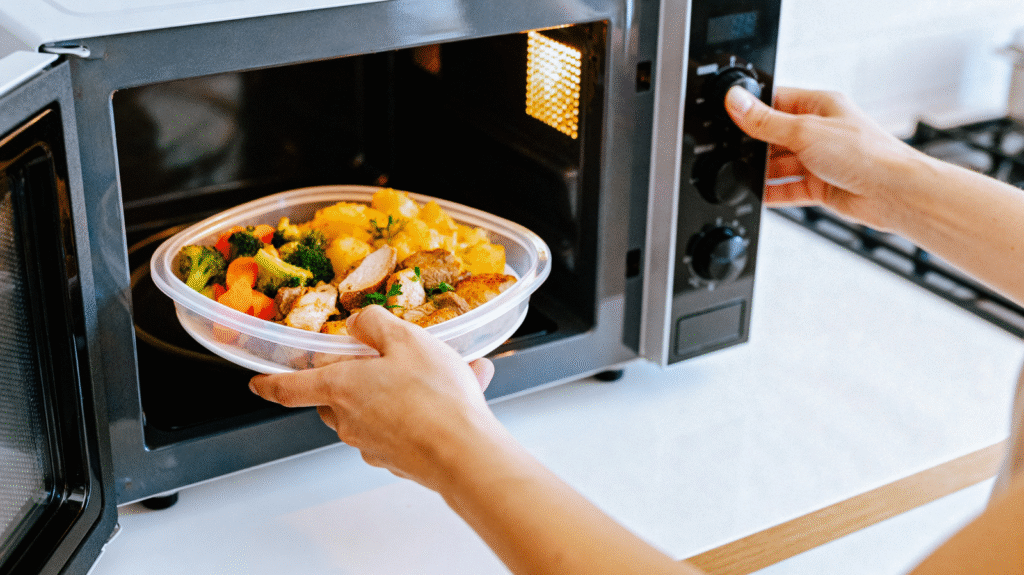
A quality microwave ought to last you anywhere from 7 to 10 years if you treat it right. A few easy habits will keep it running like new:
- Cover your food: A simple, $5 microwave-safe splatter cover will save you hours of deep cleaning over the appliance’s lifetime.
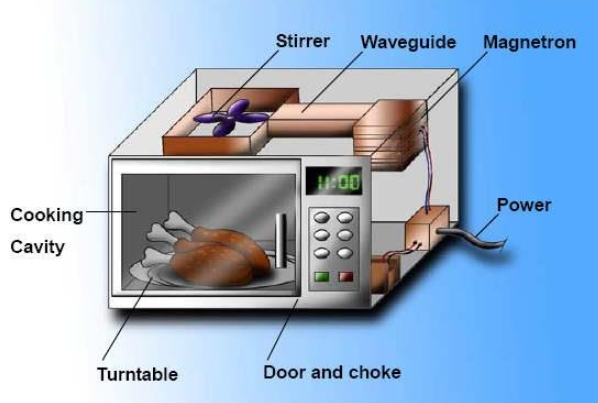
- Never run it empty: Without food or liquid inside to absorb the energy waves, that power bounces straight back into the magnetron (the component that generates heat), which can cause it to overheat and burn out permanently.
- Keep the waveguide clean: On the inside wall of the microwave, you’ll see a small mica paper or plastic card. That’s the waveguide cover shielding the internal electronics. Gently wipe food splatters off it—if grease bakes onto that plate, it can cause sparking or arcing.
- Use natural steam to clean: If grease builds up on the walls, don’t use harsh chemical sprays. Place a bowl of water with a few lemon slices or a splash of vinegar inside, run it on high for 3 to 4 minutes, let the steam loosen the grime, and then wipe everything down effortlessly with a soft cloth.
Final Thoughts
Choosing the best microwave oven for your home isn’t about buying the most advanced or expensive model—it’s about selecting one that fits your lifestyle. Consider your family size, cooking habits, kitchen space, preferred features, and budget before making a decision.
Whether you need a simple solo microwave for reheating meals or a versatile convection oven for baking and roasting, the right appliance can make everyday cooking faster, easier, and more enjoyable.
A thoughtful purchase today will provide years of convenience, efficiency, and delicious home-cooked meals.
FAQ’S
1.Which type of microwave is best for home use?
For basic reheating and defrosting, a solo microwave is sufficient. If you enjoy grilling or baking, a convection microwave offers the most versatility.
2.What microwave capacity should I choose?
Small households generally do well with compact models, while medium to large families benefit from larger-capacity microwaves that can accommodate bigger dishes.
3.Is a convection microwave worth buying?
Yes. A convection microwave is ideal for people who enjoy baking, roasting, grilling, and preparing a wider variety of recipes in addition to standard microwave cooking.
4.How many watts should a good microwave have?
Higher wattage generally means faster and more even cooking. For everyday home use, choose a model with enough power to match your cooking needs and frequency.
5.Are smart microwave ovens useful?
Smart features such as sensor cooking, automatic menus, and app connectivity can make cooking more convenient, especially for busy households.