
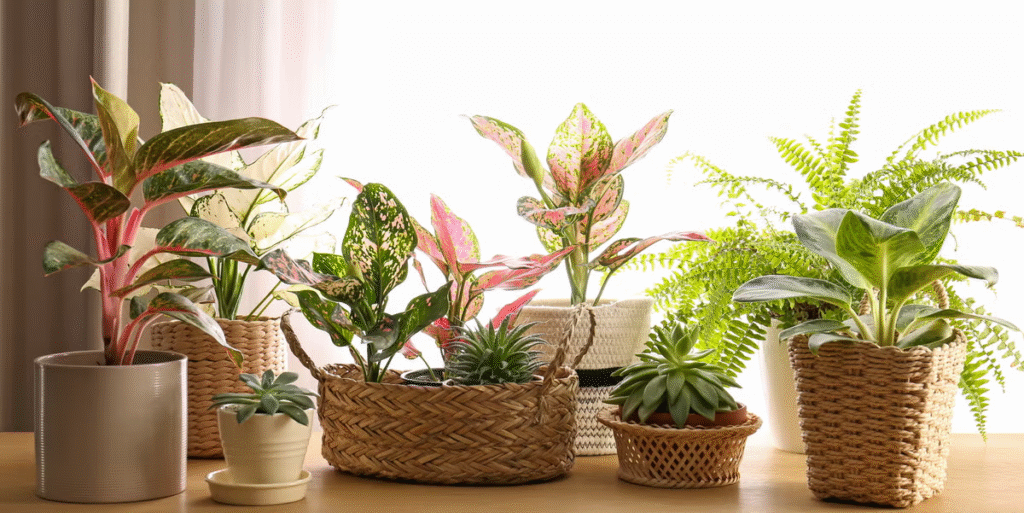
Indoor plants are a wonderful way to bring natural beauty, freshness, and greenery into your home. Whether you live in a spacious house or a small apartment, adding a few indoor plants can make your living space feel more welcoming and relaxing.
From attractive leafy plants to beautiful flowering varieties, there are many options to suit different home styles, lighting conditions, and gardening experience levels. Some indoor plants require very little maintenance, while others need regular watering, indirect sunlight, and occasional pruning.
If you are new to home gardening or want to expand your indoor plant collection, choosing the right varieties is important. In this guide, explore 15 popular indoor plants, their basic care requirements, and practical tips for keeping them healthy.
1. Snake Indoor Plants
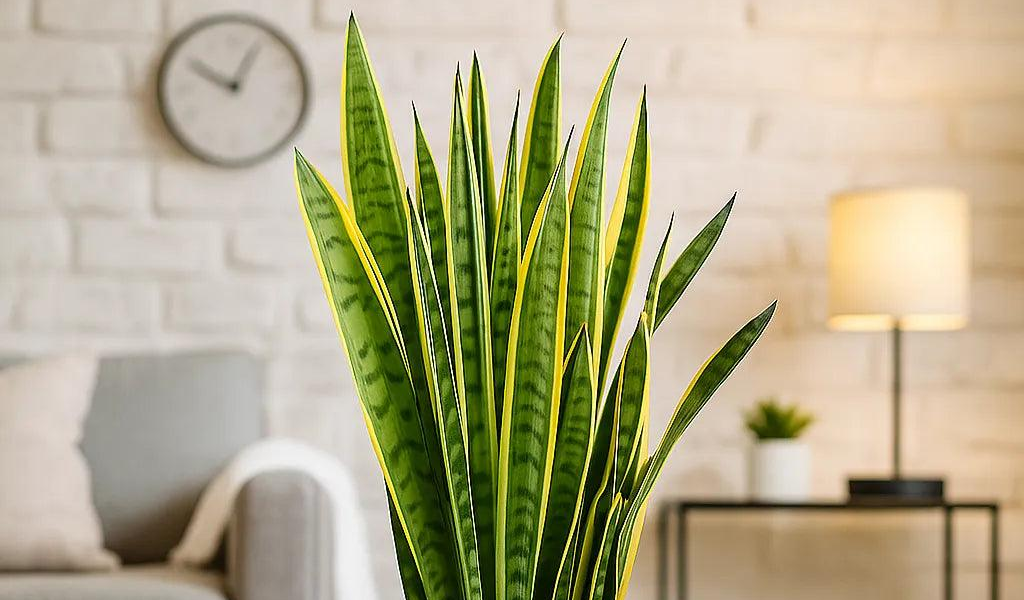
The snake plant is one of the most popular choices for indoor gardening because of its upright leaves and low-maintenance nature. Its attractive appearance makes it suitable for bedrooms, living rooms, office corners, and other indoor spaces.
Snake plants can tolerate lower-light conditions, although they generally grow better with bright, indirect light. Their thick leaves store water, so they do not need frequent watering.
Care tips:
- Place it in indirect light or a spot with some natural brightness.
- Allow the soil to dry between watering.
- Use a pot with drainage holes.
- Avoid overwatering, especially during cooler months.
Best for: Beginners and people looking for a low-maintenance decorative plant.
2. Money Indoor Plants (Pothos)
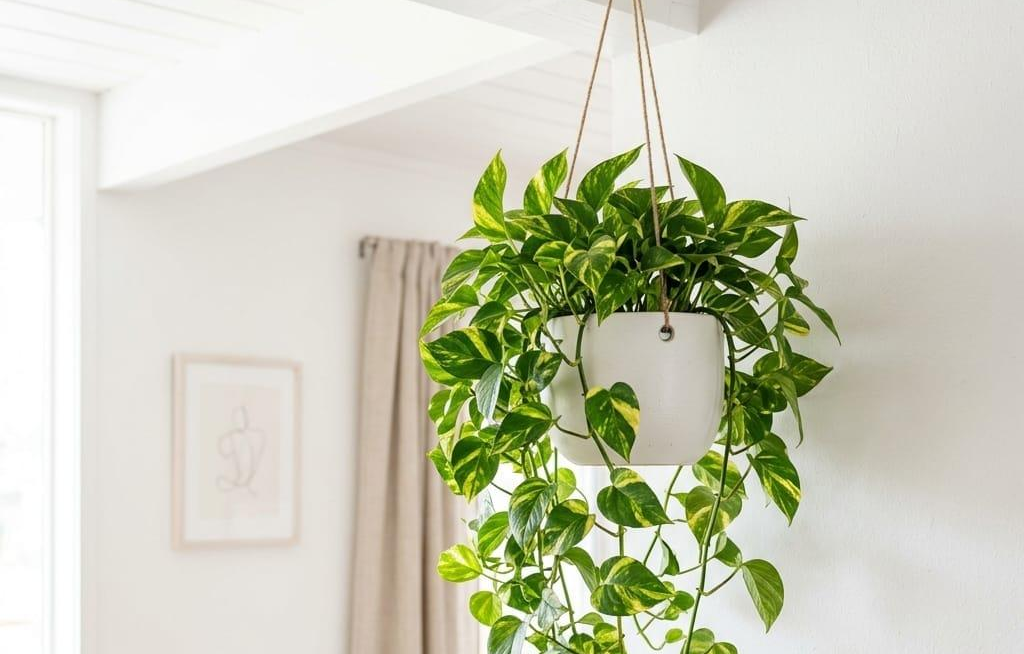
Money plant, commonly known as pothos, is loved for its trailing stems and heart-shaped leaves. It looks beautiful in hanging baskets, shelves, and decorative pots.
This plant is relatively easy to grow and can adapt to different indoor environments. It generally grows well in bright, indirect light but can also tolerate lower-light areas.
Care tips:
- Provide bright, indirect sunlight for better growth.
- Water when the upper layer of soil becomes dry.
- Trim long stems to maintain its shape.
- Clean the leaves occasionally to remove dust.
Best for: Hanging decorations, shelves, and beginner-friendly home gardening.
Pet safety: Pothos is toxic to cats and dogs if chewed or eaten.
3. Peace Lily Indoor Plants
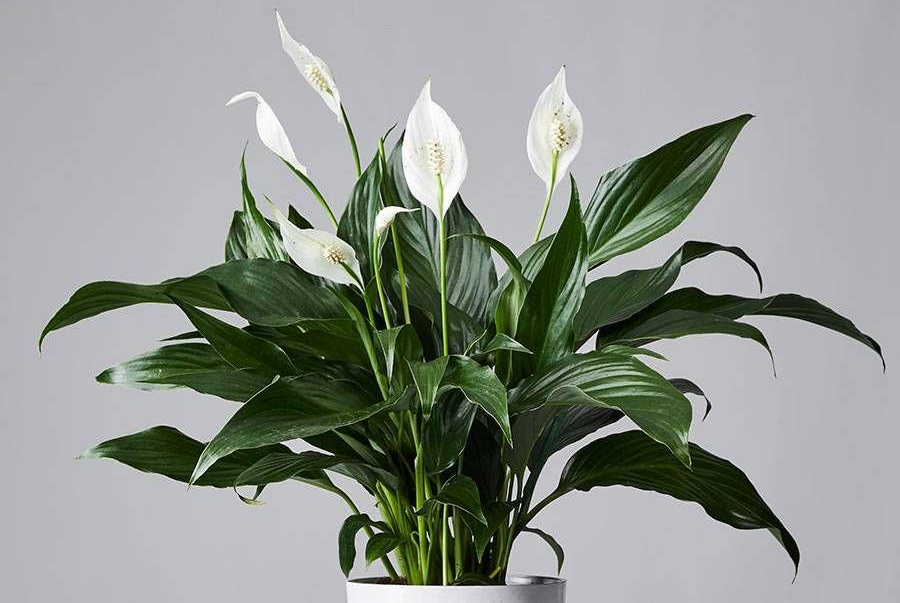
Peace lily is a beautiful indoor plant known for its glossy green leaves and elegant white flowers. It adds a peaceful and refreshing appearance to living rooms, bedrooms, and office spaces.
It prefers bright, indirect light and evenly moist soil. Its leaves may droop when the plant needs water, but it is better to check the soil rather than rely only on leaf appearance.
Care tips:
- Keep it away from harsh direct sunlight.
- Water when the top layer of soil starts drying.
- Maintain moderate humidity.
- Remove yellow or damaged leaves when needed.
Best for: People who enjoy decorative flowering indoor plants.
Pet safety: Peace lilies can irritate the mouth and digestive system of cats and dogs if eaten.
4. Spider Indoor Plants
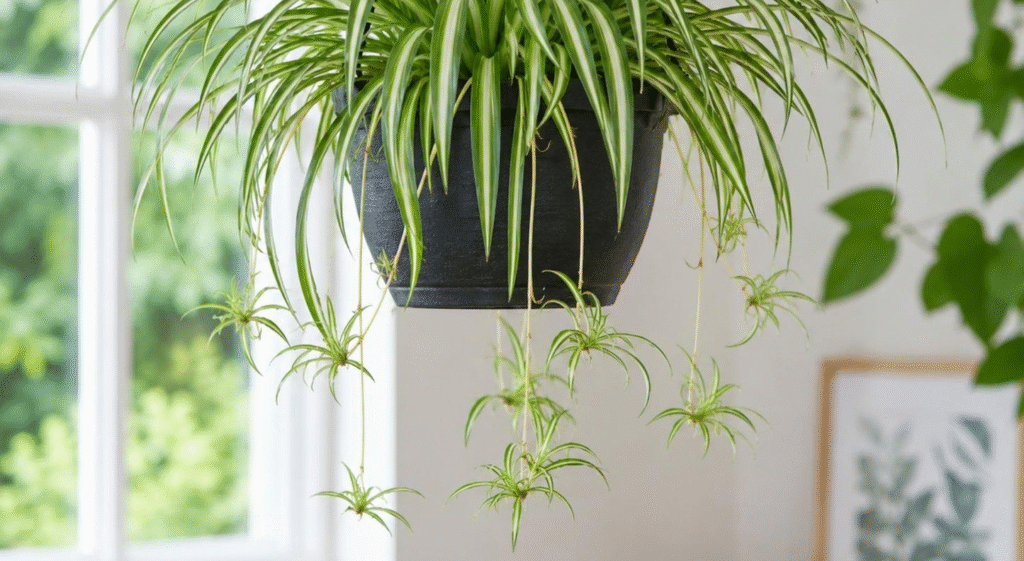
Spider plants are attractive indoor plants with long, narrow leaves that grow outward in a graceful shape. Mature plants often produce small plantlets on long stems, which can be used to grow new plants.
They are suitable for shelves, hanging baskets, and bright indoor corners.
Care tips:
- Place them in bright, indirect light.
- Water when the top layer of soil feels dry.
- Avoid leaving the roots in standing water.
- Use well-draining potting soil.
Best for: Beginners and people interested in growing new plants from plantlets.
Pet safety: Generally considered non-toxic to cats and dogs.
5. Aloe Vera Indoor Plants
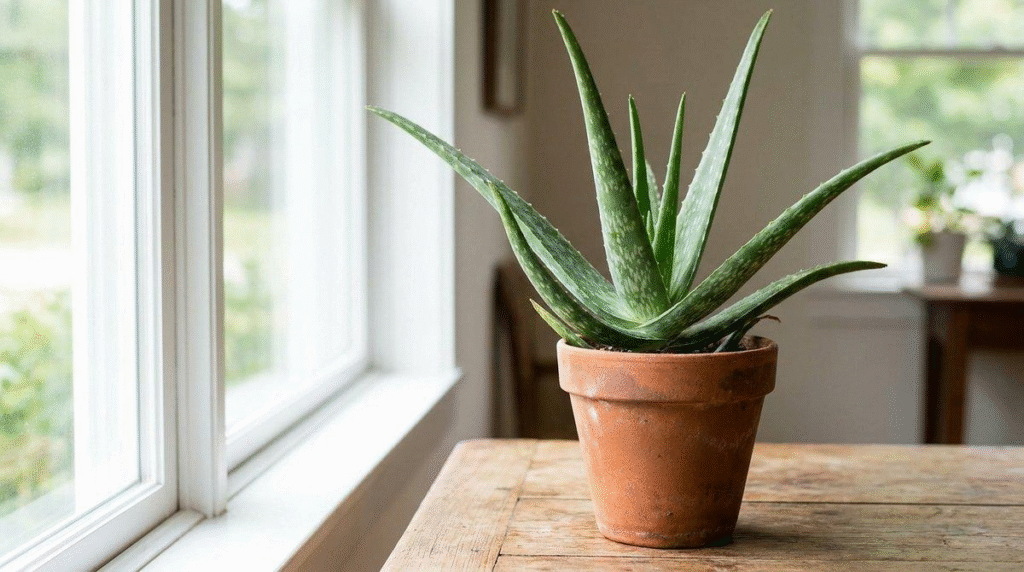
Aloe vera is a popular succulent with thick, fleshy leaves that store water. Its simple appearance makes it a good addition to windowsills, balconies, and bright indoor spaces.
Unlike many leafy houseplants, aloe vera needs plenty of bright light and relatively little water. Too much moisture can cause root problems.
Care tips:
- Place it near a bright window.
- Use a well-draining cactus or succulent potting mix.
- Allow the soil to dry completely before watering again.
- Choose a pot with drainage holes.
Best for: Sunny indoor spaces and people who prefer low-water plants.
Pet safety: Aloe vera is toxic to cats and dogs if eaten.
6. Areca Palm
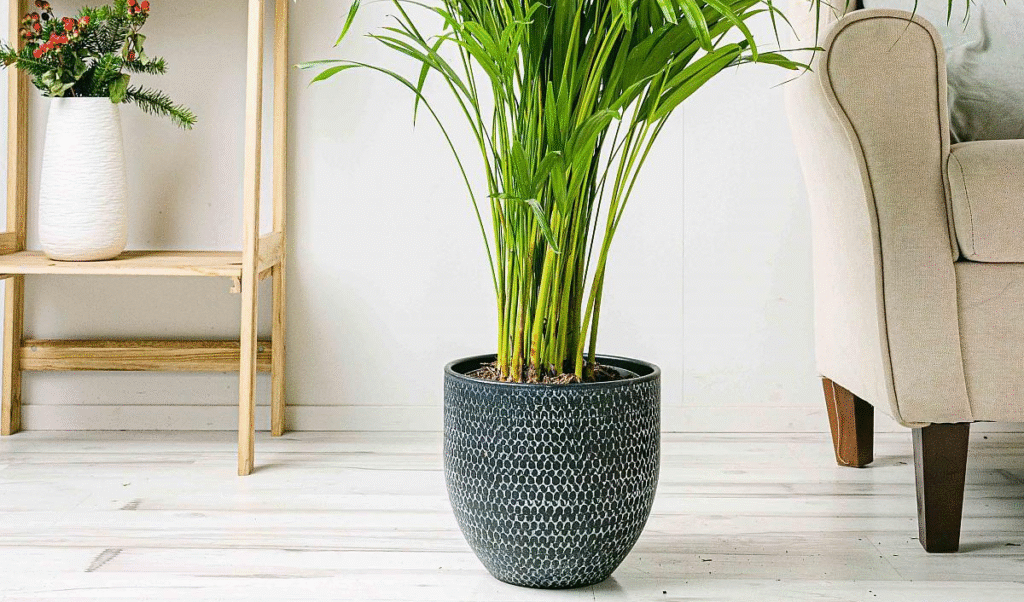
Areca palm is a popular decorative plant with soft, arching green leaves. Its tropical appearance can make living rooms, hallways, and spacious indoor corners feel more inviting.
It generally prefers bright, indirect light, warm temperatures, and moderately moist soil. Avoid keeping its roots constantly wet.
Care tips:
- Choose a bright location away from intense direct sunlight.
- Water when the upper soil begins to dry.
- Maintain moderate humidity.
- Remove dry or brown leaves when necessary.
Best for: Larger rooms and people who want a tropical decorative plant.
Pet safety: Generally considered non-toxic to cats and dogs.
7. ZZ Indoor Plants
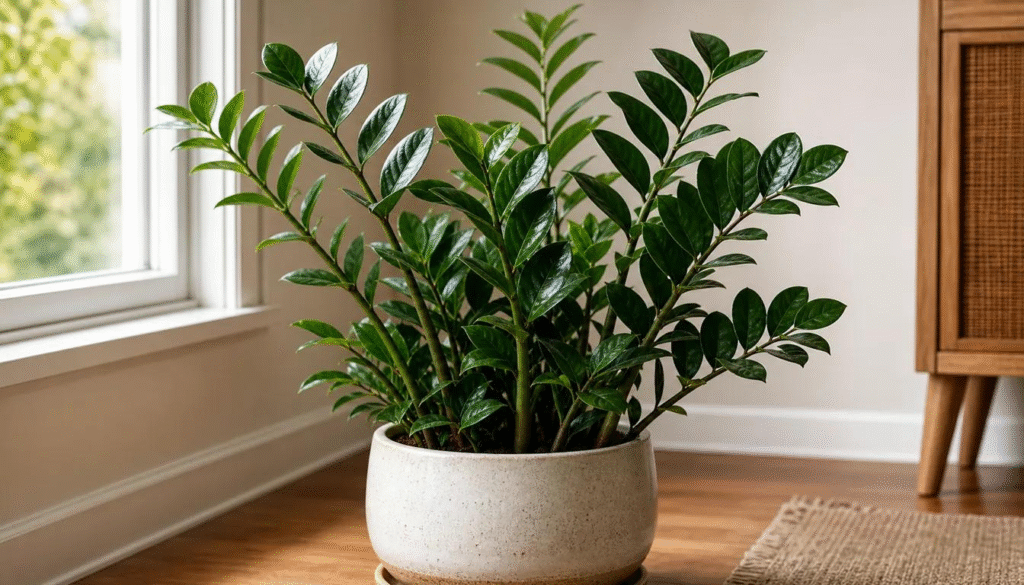
The ZZ plant is known for its shiny, dark green leaves and ability to tolerate lower-light indoor environments. Its thick underground rhizomes store water, making it relatively drought-tolerant.
It is a practical option for people who want an attractive plant without frequent maintenance.
Care tips:
- Place it in indirect light or a lower-light location.
- Allow the soil to dry before watering.
- Avoid excessive watering.
- Wipe the leaves gently to remove dust.
Best for: Busy households and low-maintenance indoor decoration.
Pet safety: ZZ plants are toxic if chewed or eaten by cats and dogs.
8. Rubber Indoor Plants
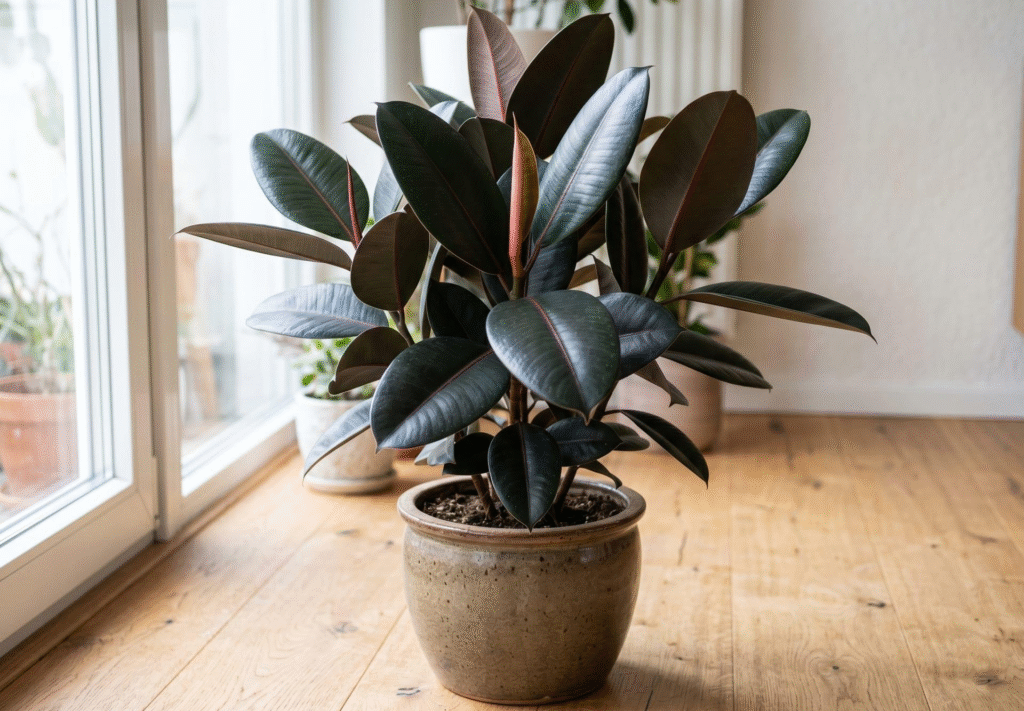
The rubber plant is an attractive indoor variety with large, glossy leaves. Depending on the variety, its foliage may be deep green, burgundy, or patterned.
It can become a striking feature in a living room or spacious corner. It generally grows well with bright, indirect light and regular but moderate watering.
Care tips:
- Place it near a bright window with filtered light.
- Water when the upper soil becomes dry.
- Avoid sudden changes in temperature.
- Clean the broad leaves with a soft, damp cloth.
Best for: Modern interiors and people who want a statement plant.
Pet safety: Rubber plants can be toxic to cats and dogs.
9. Jade Plant
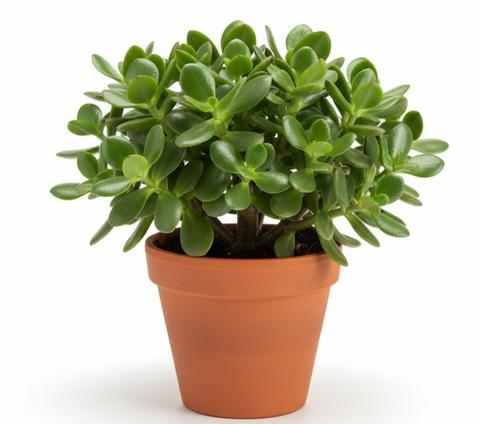
Jade plant is a popular succulent with thick stems and rounded, fleshy leaves. Its compact appearance makes it suitable for desks, windowsills, and small decorative spaces.
Like other succulents, it stores water in its leaves and prefers well-draining soil. It needs bright light to grow well and may become weak or stretched if kept in a dark area.
Care tips:
- Provide several hours of bright light when possible.
- Let the soil dry between watering.
- Use a well-draining succulent mix.
- Avoid leaving water in the pot tray.
Best for: Sunny windowsills and small indoor gardens.
Pet safety: Jade plants are toxic to cats and dogs if eaten.
10. Boston Fern
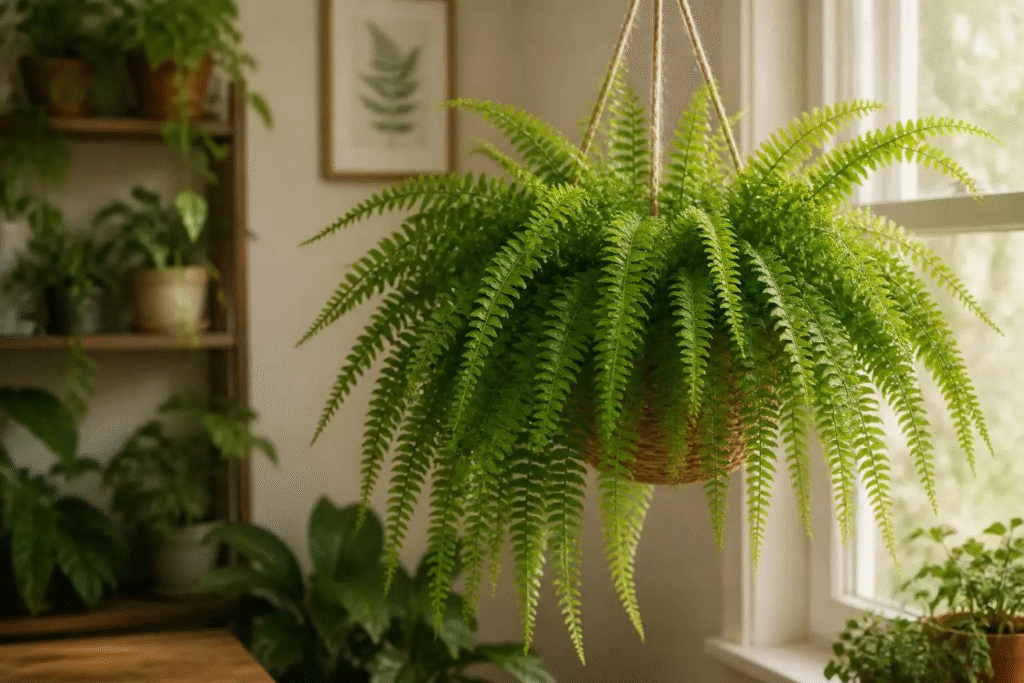
Boston fern is known for its soft, delicate, arching leaves that create a lush green appearance. It looks particularly attractive in hanging baskets and decorative plant stands.
Unlike drought-tolerant plants, Boston fern prefers consistent moisture and higher humidity. It may struggle in very dry indoor environments.
Care tips:
- Keep it in bright, indirect light.
- Maintain evenly moist but not waterlogged soil.
- Provide good humidity.
- Avoid placing it next to heating or cooling vents.
Best for: Humid indoor spaces and people who enjoy leafy decorative plants.
Pet safety: Generally considered non-toxic to cats and dogs.
11. Philodendron
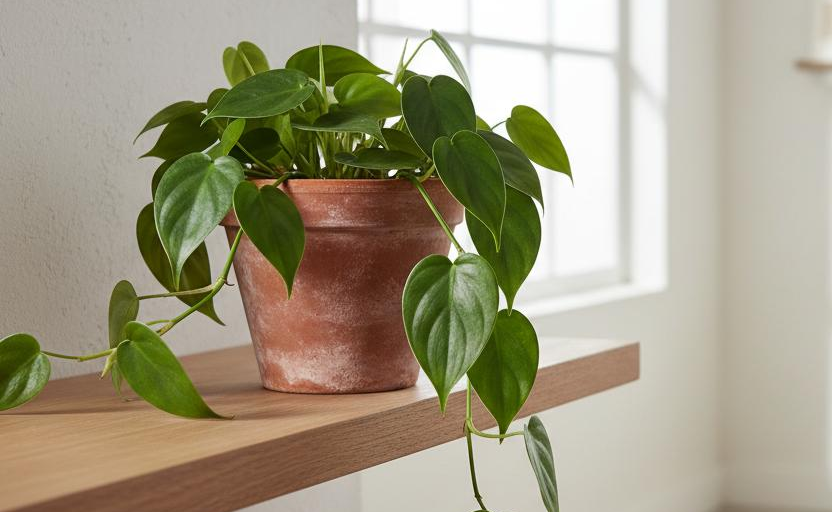
Philodendrons are popular houseplants available in different leaf shapes, colours, and growth patterns. Some varieties climb, while others grow in a compact, upright form.
Heartleaf philodendron is particularly popular because of its attractive leaves and relatively simple care requirements.
Care tips:
- Provide bright, indirect light.
- Water when the upper soil begins to dry.
- Use a well-draining potting mix.
- Give climbing varieties a support pole if needed.
Best for: Shelves, hanging baskets, and indoor plant displays.
Pet safety: Philodendrons are toxic to cats and dogs if eaten.
12. Chinese Evergreen
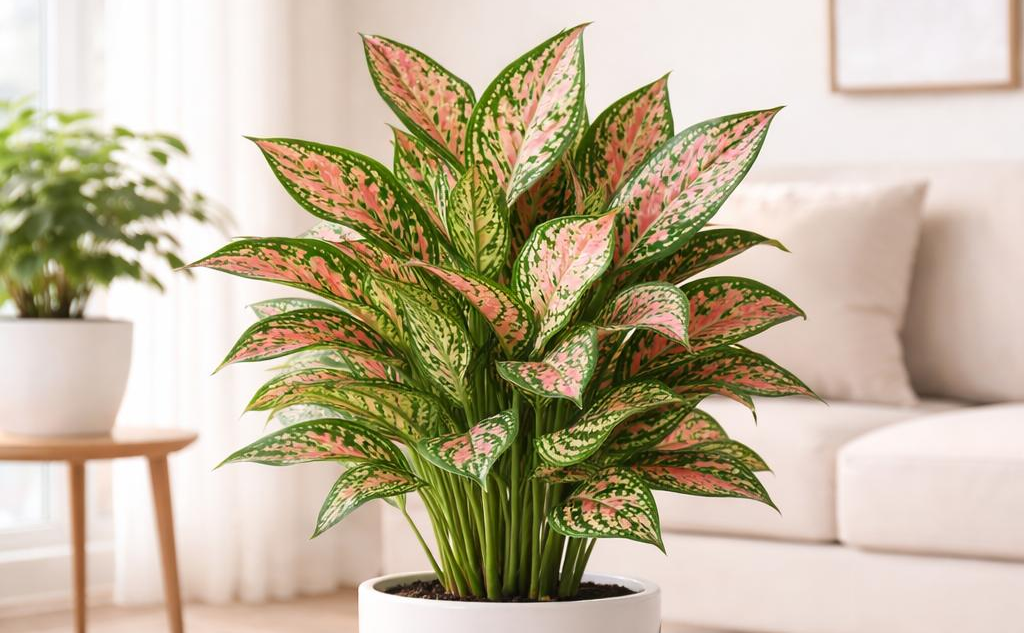
Chinese evergreen is appreciated for its decorative foliage, which can feature green, silver, pink, or red patterns depending on the variety.
It can tolerate lower-light conditions, although suitable indirect light usually supports better growth and leaf colour.
Care tips:
- Keep it in indirect light.
- Water when the upper layer of soil starts drying.
- Avoid overwatering.
- Protect it from cold drafts.
Best for: Indoor decorative corners and people who enjoy colourful foliage.
Pet safety: Chinese evergreen is toxic to cats and dogs if eaten.
13. Lucky Bamboo
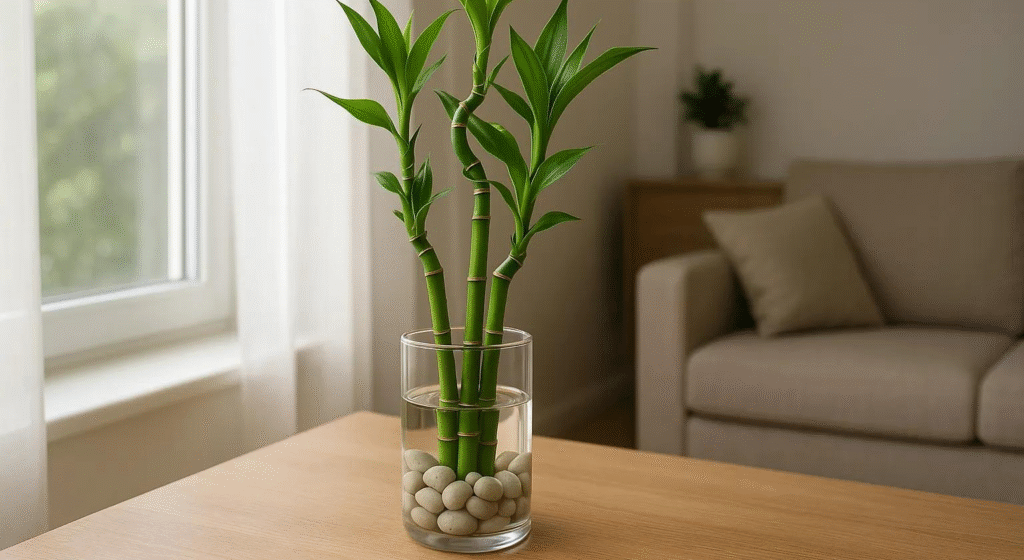
Lucky bamboo is a popular decorative plant with green stems that are often arranged in attractive patterns. Despite its common name, it is not a true bamboo; it belongs to the Dracaena genus.
It can be grown in water or suitable potting soil. It generally prefers bright, indirect light and should be protected from intense direct sunlight.
Care tips:
- Keep it away from harsh sunlight.
- If growing in water, use clean water and change it regularly.
- If growing in soil, keep the soil lightly moist without waterlogging.
- Trim damaged leaves and stems when needed.
Best for: Desk decoration, small spaces, and indoor gifting.
Pet safety: Lucky bamboo is toxic to cats and dogs if eaten.
14. English Ivy
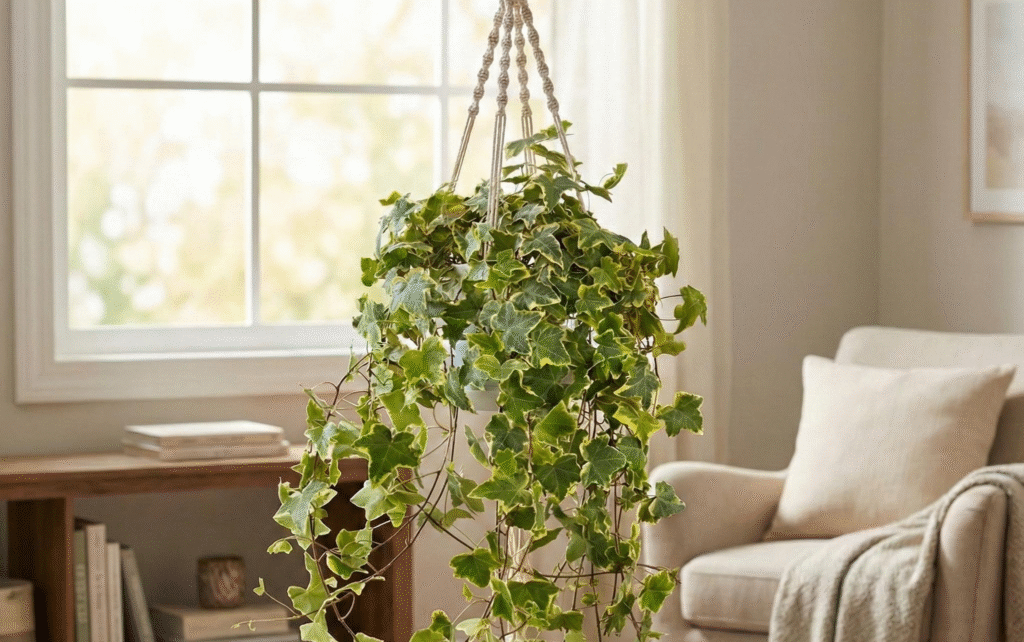
English ivy is a trailing plant with attractive leaves that can add greenery to shelves, hanging baskets, and indoor plant arrangements.
It generally prefers bright, indirect light and evenly moist soil. Good airflow is also helpful for maintaining healthy growth.
Care tips:
- Provide bright, indirect light.
- Water when the top layer of soil begins to dry.
- Trim long stems to control its growth.
- Check leaves regularly for pests.
Best for: Hanging displays and decorative plant arrangements.
Pet safety: English ivy is toxic to cats and dogs if eaten.
15. Anthurium
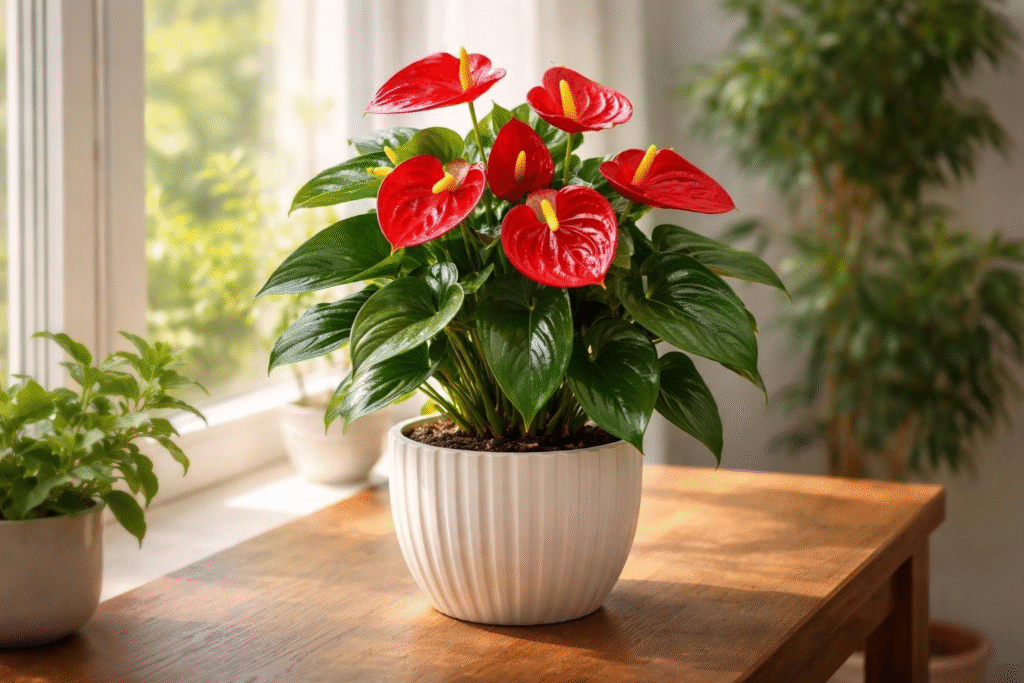
Anthurium is a beautiful flowering indoor plant known for its glossy green leaves and colourful, heart-shaped blooms. Its flowers may appear red, pink, or white, making it a popular choice for adding colour to indoor spaces.
It generally prefers bright, indirect light, warm conditions, and moderately moist soil.
Care tips:
- Keep it away from harsh direct sunlight.
- Water when the upper soil starts to dry.
- Provide good drainage and moderate humidity.
- Remove old flowers and damaged leaves.
Best for: People who want colourful flowering plants indoors.
Pet safety: Anthurium is toxic to cats and dogs if eaten.
How to Choose the Right Indoor Plants for Your Home
Before buying indoor plants, consider your available space, natural light, daily routine, and the amount of care you can provide.
Here are a few things to keep in mind:
- Check sunlight availability: Some plants prefer bright indirect light, while others tolerate lower-light conditions.
- Consider your space: Choose compact plants for desks and shelves and larger varieties for empty corners.
- Understand watering needs: Succulents need less frequent watering, while ferns generally prefer consistently moist soil.
- Choose suitable pots: Use containers with drainage holes to prevent excess water from collecting around the roots.
- Check pet safety: If you have cats or dogs, research plant toxicity before bringing a new variety home.
- Consider your schedule: Choose low-maintenance varieties if you have limited time for gardening.
Simple Tips to Keep Indoor Plants Healthy
Taking care of indoor plants does not have to be complicated. A few regular gardening habits can help your plants grow well and maintain their appearance.
1. Provide suitable sunlight: Understand each plant’s light requirements and place it in an appropriate location.
2. Avoid overwatering: Check the soil before watering instead of following a fixed daily schedule.
3. Clean the leaves: Gently wipe dusty leaves with a damp, soft cloth when appropriate.
4. Use quality potting soil: Choose a suitable growing medium based on the plant variety.
5. Prune damaged leaves: Remove dead or yellowing leaves using clean gardening tools.
6. Check for pests: Look regularly for signs of insects, webbing, or unusual leaf damage.
7. Repot when necessary: Move plants into a larger container when their roots become crowded or they outgrow their current pot.
8. Maintain suitable humidity: Some tropical plants, such as ferns, benefit from higher humidity than succulents.
Common Indoor Gardening Mistakes to Avoid
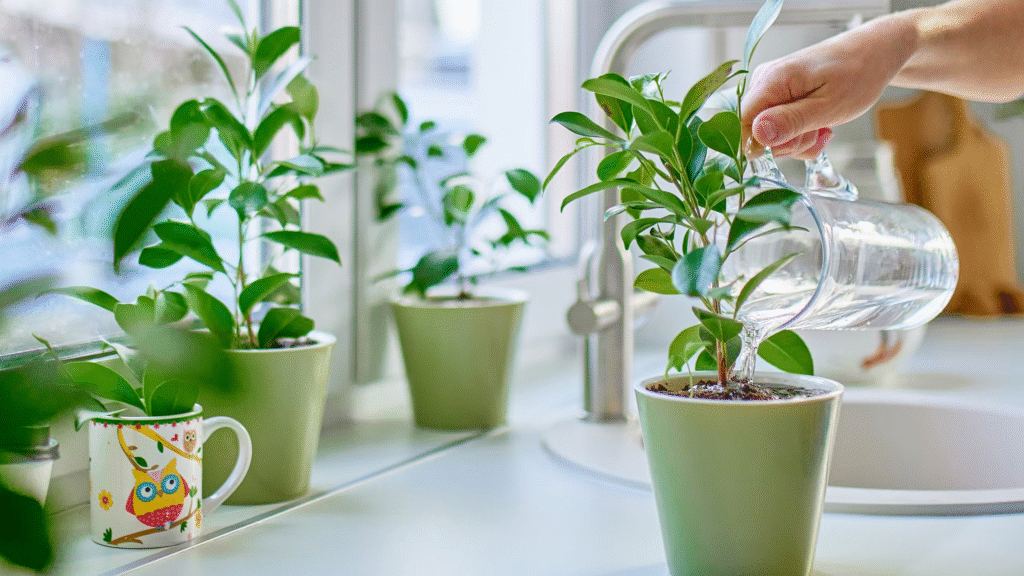
Even easy-care plants need suitable growing conditions. Avoid these common mistakes when starting your indoor garden:
- Overwatering plants: Too much water can cause root rot and other problems.
- Ignoring sunlight requirements: Every plant has different lighting needs.
- Using pots without drainage: Excess water can collect around the roots.
- Placing plants near extreme temperatures: Hot air from heaters and cold drafts can damage foliage.
- Using too much fertiliser: Excess fertiliser can harm roots and leaves.
- Ignoring pests: Small pest problems can spread if left untreated.
- Choosing plants without checking pet safety: Some popular indoor varieties are toxic to cats and dogs.
Remember that indoor plants can add natural beauty and make a room feel more inviting, but they should not replace proper ventilation or other measures for maintaining indoor air quality.