
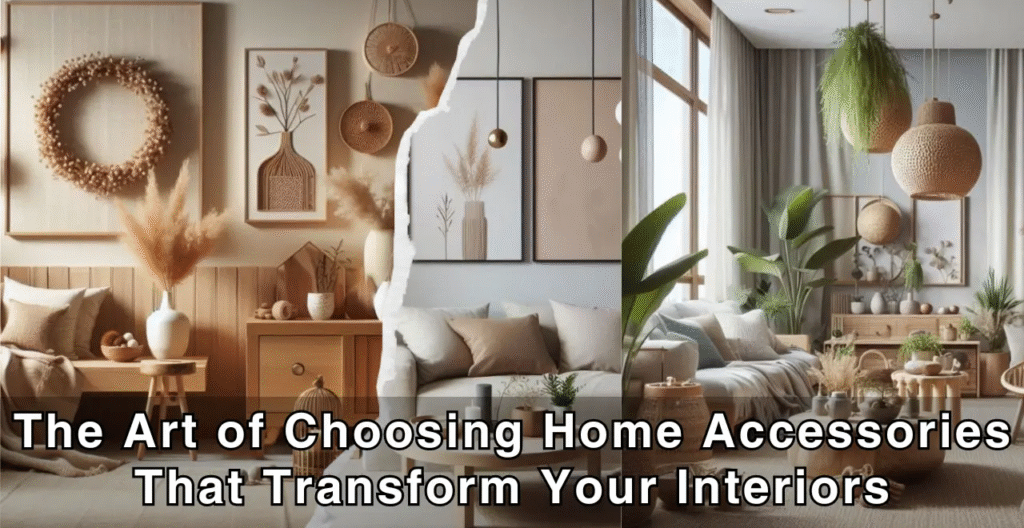
Let’s be completely honest: nobody actually wants to spend $20,000 gutting a living Home room or spending three grueling weekends trying to assemble a flat-pack entertainment center that ends up slightly crooked.
We’ve all stared at a room in our house and thought, “God, this place feels depressing.” But the biggest mistake people make when they get sick of their interior is thinking they need a sledgehammer and a contractor. You don’t. Most of the time, your furniture is perfectly fine—it’s just lonely.
Furniture builds the skeleton of a room, but the accessories give it a pulse. It’s the little things—the texture of a blanket, the way a mirror catches the afternoon sun, or the smell of a decent candle—that take a space from feeling like a sterile staging area to a place where you actually want to kick off your shoes and stay a while.
If your home feels a bit dead, here is the unfiltered, no-decorator-jargon guide to breathing some life back into your space using things that don’t require a second mortgage.
Home The Cheat Sheet: The High-Impact Pieces
1. The Low-Commitment Refresh: Pillows and Throws
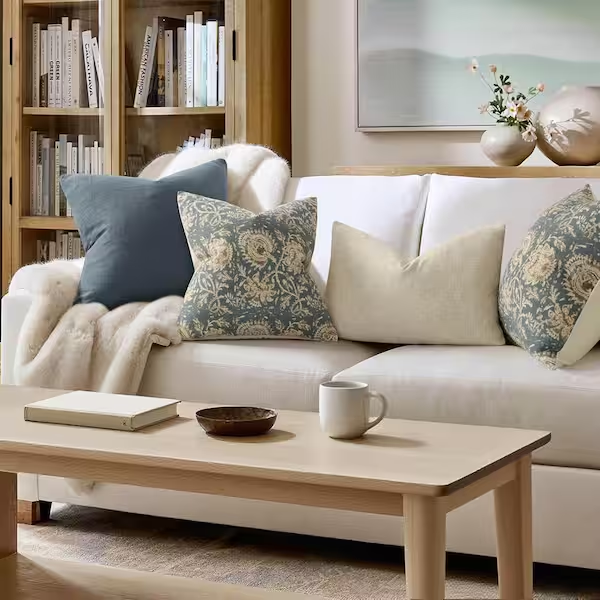
If your couch looks like it has given up on life, do not buy a new couch. Buy new pillows.
- The Golden Rule: Stop buying matching pillow sets. It looks like a doctor’s waiting room. Instead, mix your textures. Pair a chunky, rough linen pillow with a soft velvet one.
- The Lazy Move: Toss a heavy, textured knit blanket carelessly over the arm of a chair. Don’t fold it perfectly; let it look lived-in. It instantly softens the sharp, hard lines of a room.
2. Bringing in the Living (and the Fake Living)
If a room feels cold, it’s usually because nothing in it is alive. Plants are the ultimate interior design hack because they add an organic, irregular shape to rooms full of boxes and rectangles.
- If you have a green thumb: Grab a Snake Plant or a ZZ Plant. They are practically indestructible, can survive on neglect and low light, and instantly make you look like an adult who has their life together.
- If you kill everything you touch: Buy high-quality faux plants. No one is going to judge you, and a pop of green on a dark shelf works miracles, real or not.
3. The Illusionists: Mirrors and Lights
If a room feels small or dark, lighting it from the ceiling with a giant, blinding overhead bulb (the dreaded “big light”) is only going to make it feel like an interrogation room.
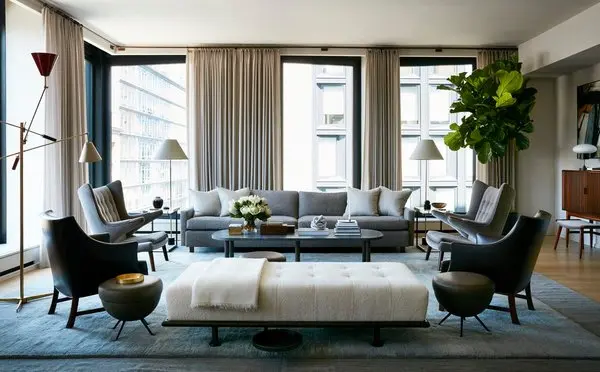
- The Fix: Turn off the overhead light and layer. Put a small table lamp in a dark corner and a floor lamp next to your favorite chair. Use warm LED bulbs to create a cozy, low-stress glow.
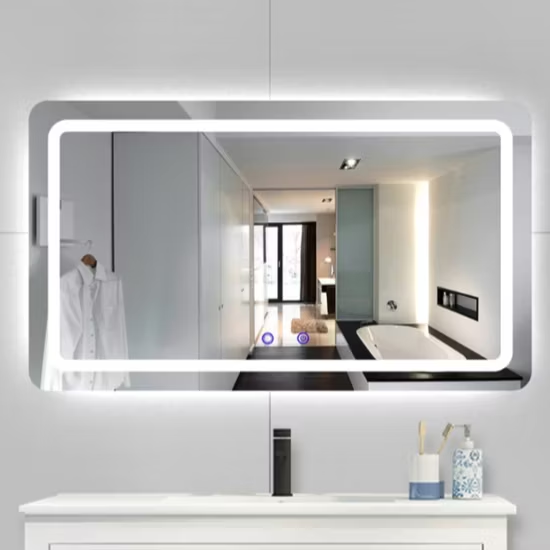
- The Mirror Trick: Hang a large mirror directly opposite a window. It acts like a cheat code for your floor plan, bouncing natural light into the deep corners of the room and tricking your brain into thinking the space is twice as big as it actually is.
4. Grounding the Space: Rugs and Curtains
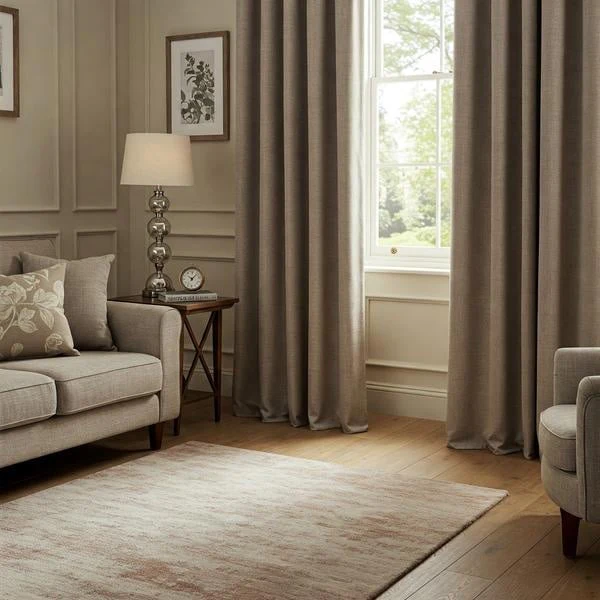
A small rug makes a room look like a postage stamp. If you’re putting a rug in your living room, make sure it’s big enough that at least the front legs of your furniture sit on top of it. It anchors the room so your couch doesn’t look like it’s floating out at sea.
- For the windows: Hang your curtain rods higher and wider than the actual window frame. Hanging them right up near the ceiling draws the eye upward, making your ceilings feel massive and your windows look like grand architectural features instead of standard drywall cutouts.
Micro-Styling: How to Arrange Your Home Stuff Without Looking Cluttered
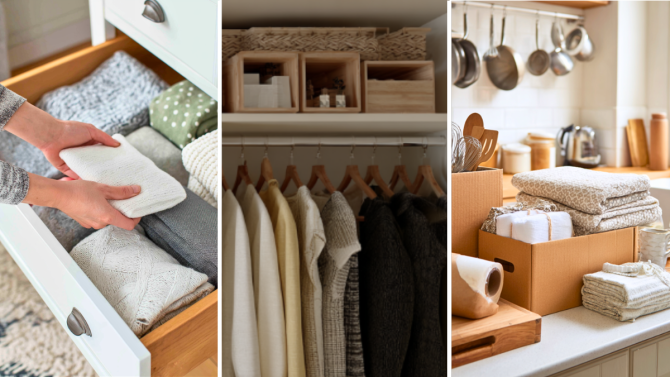
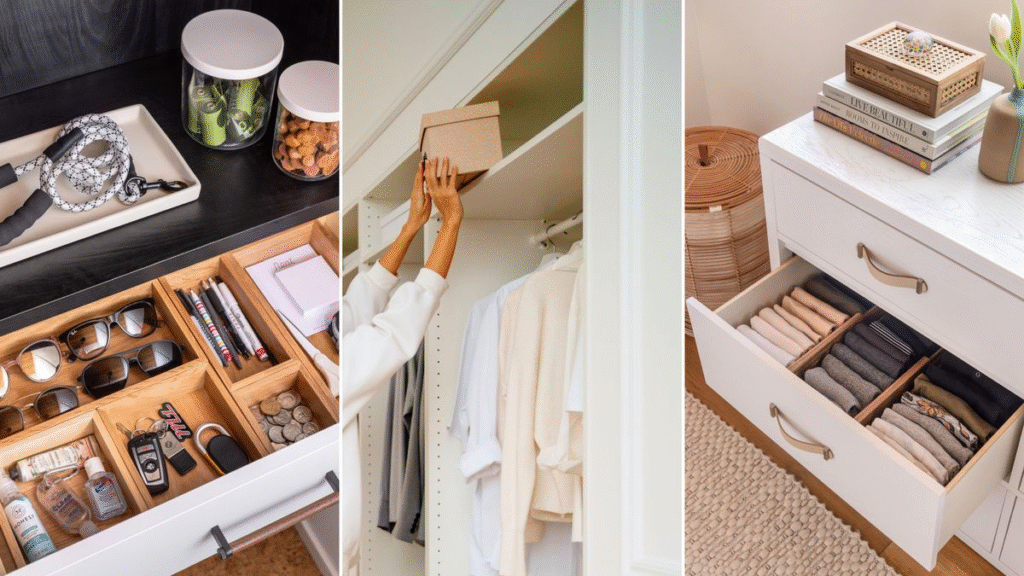
The difference between a house that looks “styled” and one that looks messy comes down to edit control. You don’t want every flat surface covered in random objects.
The Coffee Table Formula of Home
Don’t just leave a remote and a half-empty mug on your coffee table. Use the rule of threes:
- Something flat: A large, heavy photography or design book.
- Home Something vertical: A sculptural ceramic vase or a candle holder.
- Something organic: A small bowl or a tiny succulent. Put them all on a decorative tray to corral the chaos. It instantly looks intentional.
The Home Kitchen Upgrade
The kitchen is a workspace, but it deserves some personality too. Ditch the plastic dish soap bottles and pour your soap into a glass pump. Prop a beautiful, thick wooden cutting board against the backsplash, and throw your wooden spoons into a heavy ceramic crock. It takes five minutes, but it changes the entire energy of the countertop.
Design Trends Worth Stealing (And Which to Ignore)
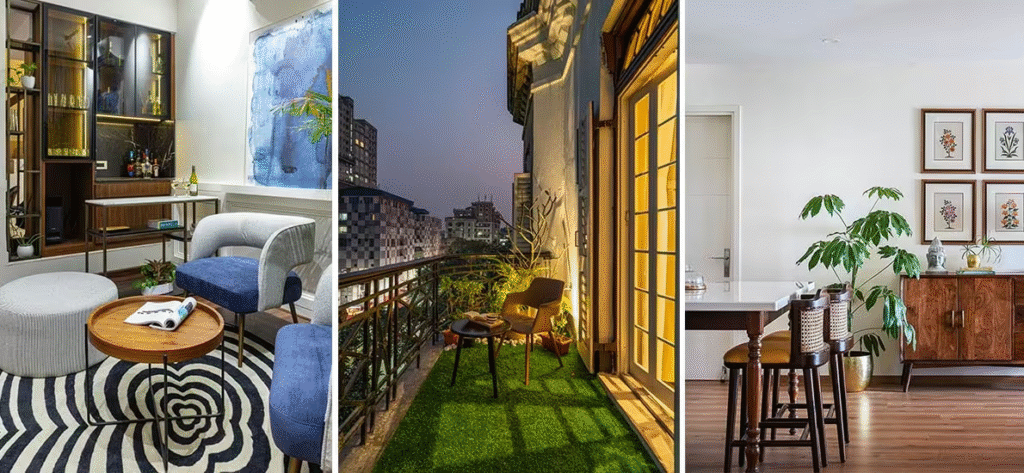
Right now, design is moving away from the cold, blinding-white minimalism of the 2010s. Nobody wants to live inside a laboratory anymore.
- What’s In: Modern Organic and Japandi. This is just a fancy way of saying: use lots of wood, stone, earth tones, and warm textures. It’s a blend of Japanese simplicity and Scandinavian comfort. Think cozy, clean, and grounded.
- What’s Out: Buying cheap, matching furniture sets from a single store catalog. Your home should look like it was collected over time, not delivered all in one morning from a single warehouse.
Final Thoughts
Refreshing your home’s interior doesn’t require a major renovation or a large budget. Thoughtfully selected accessories can transform any room into a more comfortable, stylish, and inviting space. Decorative pillows, cozy blankets, indoor plants, elegant lighting, mirrors, artwork, and smart storage solutions all contribute to creating a home that feels both functional and beautiful.
The key is to choose accessories that reflect your personality while maintaining balance and simplicity. Small updates, when carefully planned, often have the biggest impact. Whether you’re decorating a new home or giving your current space a fresh look, investing in quality home accessories is one of the easiest and most rewarding ways to elevate your interior.
Frequently Asked Questions
1. What are the best home accessories for beginners?
Throw pillows, indoor plants, mirrors, rugs, candles, decorative baskets, and wall art are great starting points.
2. How can I refresh my home on a budget?
Update textiles, add plants, rearrange furniture, use decorative storage, and introduce affordable wall art or lighting.
3. Which home décor trend is most popular right now?
Modern organic, Scandinavian, Japandi, and minimalist styles are among the most popular interior design trends.
4. How often should I update home accessories?
Many homeowners refresh accessories seasonally or once a year to keep interiors feeling fresh and current.
5. What colors make a home look elegant?
Neutral shades like white, beige, cream, gray, taupe, and soft earthy tones create a timeless and sophisticated look, while black or metallic accents add contrast and luxury.