
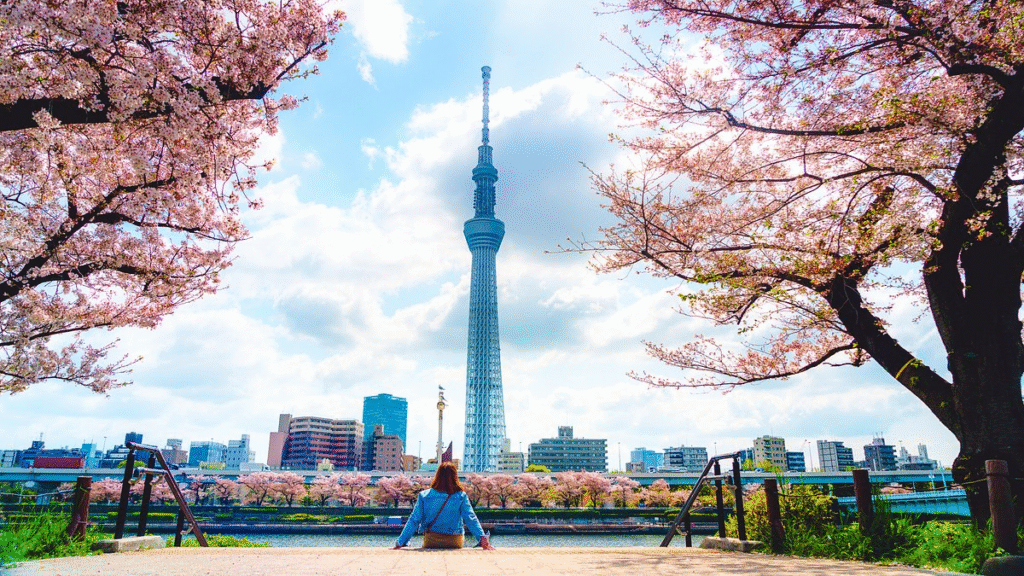
Travel Tokyo is the kind of city that ruins you for anywhere else. It is a place where you can spend your morning sitting in the absolute silence of a moss-covered forest temple, and your evening eating neon-lit ramen served to you by a conveyor belt. It’s a city of layers, where the ultra-modern and the deeply ancient don’t just coexist—they rely on each other.
But because Tokyo has so many faces, the first question everyone asks is: “When should I actually go?”
There is no single “correct” answer, because Tokyo doesn’t just change its temperature with the seasons—it changes its entire personality. Here is an honest, boots-on-the-ground look at what each season actually feels like, so you can figure out which version of Tokyo you want to meet.
Spring (March to May): The Pink-Hued Postcard
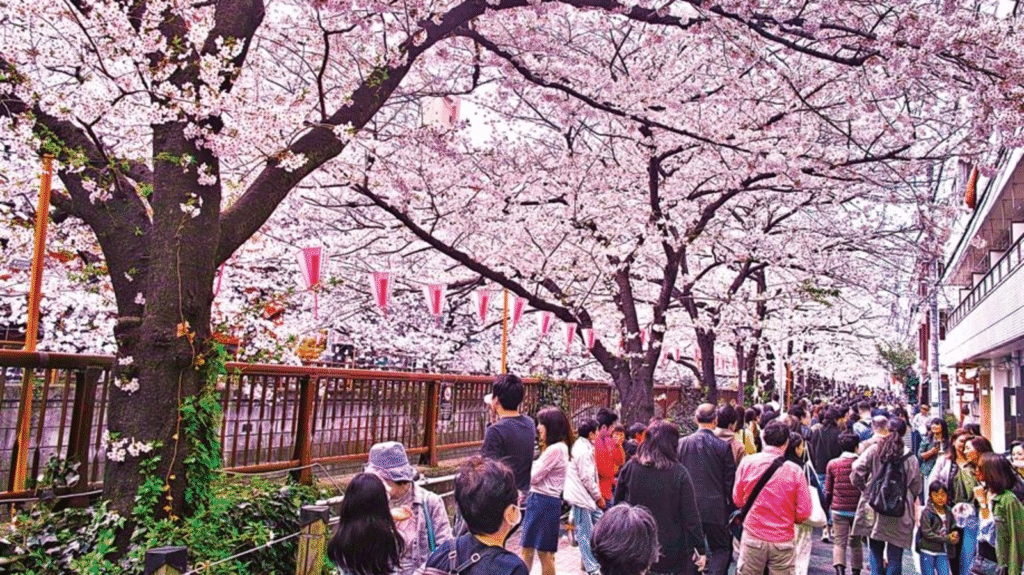
Let’s start with the season everyone knows. Spring in Tokyo is synonymous with sakura (cherry blossoms), and honestly, the hype is real. There is a brief, magical window where the entire city seems to hold its breath under a canopy of soft, pale pink.
But here is the reality check: you won’t be the only one there to see it. Spring is Tokyo’s peak season. The parks—like Shinjuku Gyoen and Ueno—are packed with locals and travelers alike, sitting on blue tarps for hanami (flower-viewing picnics). The air is crisp and comfortable (usually hovering around 10°C to 22°C), meaning you can walk for miles without breaking a sweat.
- The Vibe: Celebratory, romantic, and very crowded.
- The Catch: You’ll need to book your flights and hotels months in advance, and you will pay premium prices.
- Don’t Miss: Grab a seasonal cherry-blossom-flavored sweet from a local convenience store and join the crowds walking along the Meguro River at night when the lanterns are lit.
Travel Summer (June to August): Festivals, Fireworks, and Sticky Heat
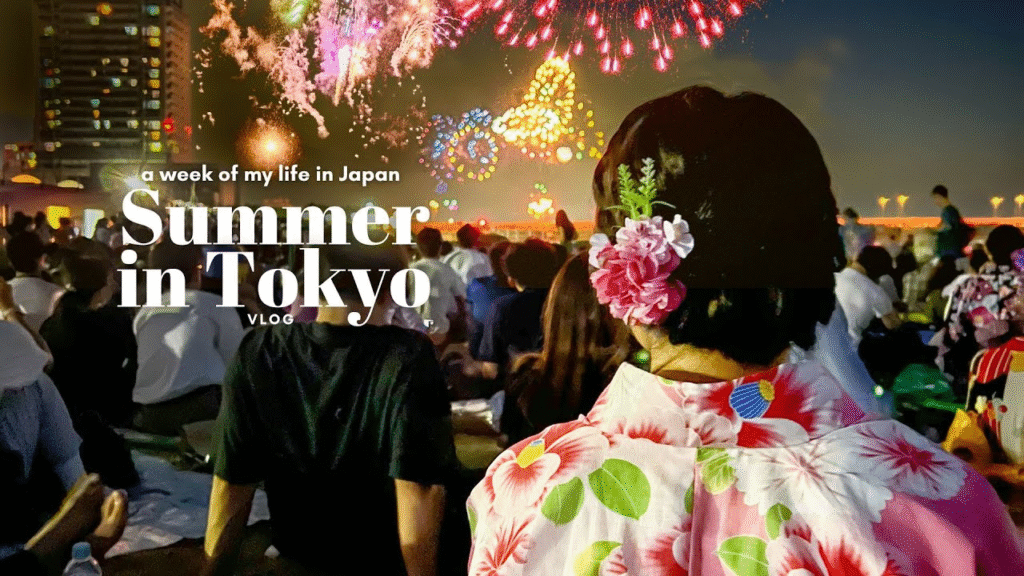
Summer in Tokyo is loud, bright, and unapologetically sweaty. June starts with the rainy season (tsuyu), which brings gray skies and damp days. Once that clears in July, the real heat hits. Temperatures regularly climb past 35°C with intense humidity.
If you can handle the heat, however, summer rewards you with incredible cultural energy. This is the season of matsuri (festivals). The streets come alive with people wearing casual cotton yukata (kimonos), the smell of grilled yakitori wafting from street stalls, and the chanting of locals carrying massive portable shrines (mikoshi).
- The Vibe: Energetic, youthful, and sensory-overload.
- The Catch: The humidity can be exhausting. You will find yourself ducking into air-conditioned convenience stores just to catch your breath.
- Don’t Miss: The Sumida River Fireworks Festival. Watching massive, intricate fireworks explode over the Tokyo skyline alongside millions of people is something you’ll never forget.
Travel Autumn (September to November): The Insider’s Favorite
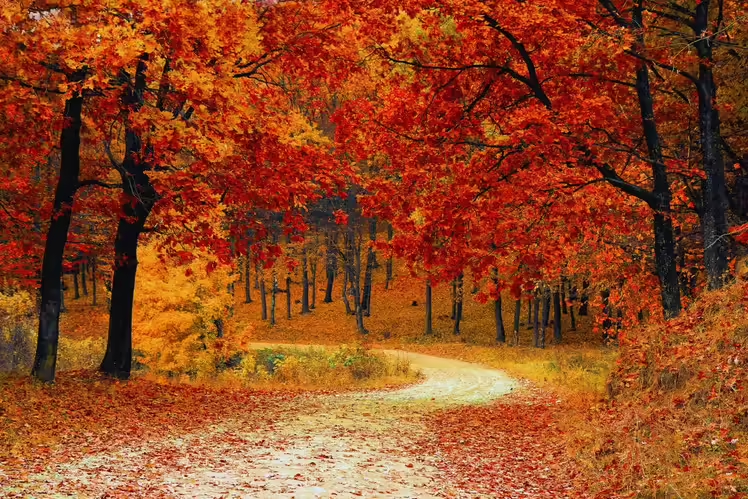
Ask anyone who has lived in Tokyo for a long time, and they will likely tell you that autumn is the best time to visit. By October, the summer humidity has vanished, leaving behind crisp, clear days with perfect blue skies and comfortable temperatures (around 15°C to 26°C).
Instead of pink cherry blossoms, the city paints itself in deep reds, brilliant oranges, and golden yellows. The gingko trees along Meiji Jingu Gaien turn a brilliant gold, creating a natural yellow carpet on the streets.
- The Vibe: Laid-back, cozy, and incredibly beautiful.
- The Catch: September can still see some tropical storms (typhoon season), but October and November are generally spectacular.
- Don’t Miss: A day trip to Mount Takao or a stroll through Rikugien Garden to see the autumn leaves illuminated by spotlights after dark.
Travel Winter (December to February): Cold Skies and Electric Nights
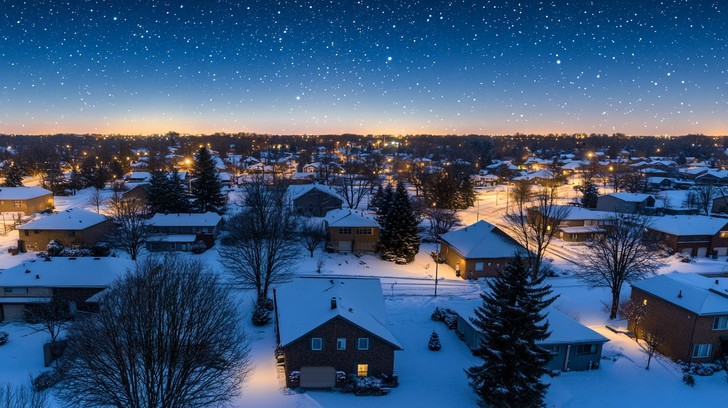
Winter in Tokyo is underrated. It gets cold (often dropping to a chilly 2°C), but it is a dry, crisp cold. Snow is rare, meaning you get day after day of sharp, clear, blue skies. If you go up to a high viewing deck on a winter morning, you have the best chance of seeing Mount Fuji sitting on the horizon.
When the sun goes down, the city lights up. Tokyo does winter “illuminations” better than almost anywhere else on earth. Entire neighborhoods like Roppongi and Ginza are draped in millions of blue and white LED lights, making the chilly evening walks feel entirely magical.
- The Vibe: Quiet, sparkling, and romantic.
- The Catch: You’ll need to pack heavy layers, and some smaller businesses close for a few days around the New Year.
- Don’t Miss: Visiting a temple on New Year’s Eve to hear the giant bronze bells ring out the old year, followed by a steaming bowl of hot toshikoshi soba (year-crossing noodles).
Which Traveler Are You?

- The Photographer: Go in late March for the blossoms, or late November for the fiery autumn colors. The light during these months is gorgeous.
- The Budget Traveler: Aim for mid-January through February. Tourism slows down, flights are cheaper, and hotel rates drop significantly.
- The Foodie: Honestly, any time—but autumn and winter are incredible for comfort foods like hot pots (nabe), seasonal sweet potatoes, and rich, fatty ramen that tastes ten times better when it’s cold outside.
Travel A Few Things Nobody Tells You Before You Go
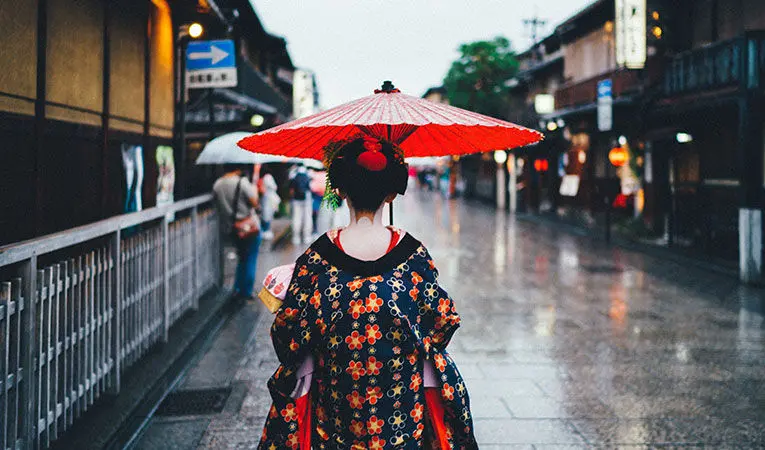
- Tokyo is a walking city: Your step count will easily hit 15,000 to 20,000 steps a day. No matter how stylish you want to look, pack your most comfortable, broken-in sneakers.
- The trash can mystery: You will notice there are almost no public trash cans on the streets. Locals carry their garbage home with them. Keep a small plastic bag in your daypack to store your trash until you get back to your hotel (or find a recycling bin next to a vending machine).
- Cash is still king (sometimes): While major stores and the subway accept cards and digital payments, many of the best local noodle shops, temple stalls, and small bars only accept physical yen coins and bills. Always keep a few thousand yen in your pocket.
- Buy a digital transit card: Before you leave the airport, add a digital Suica or Pasmo card to your phone’s wallet. It makes hopping on the subway as simple as tapping your phone at the gate.
Final Thoughts
Tokyo is one of those rare cities that offers something unforgettable every month of the year. Spring brings world-famous cherry blossoms, summer fills the streets with colorful festivals, autumn paints the parks in brilliant shades of red and gold, and winter dazzles visitors with sparkling holiday lights and peaceful temple traditions.
The best time to visit depends on your travel style. If you dream of cherry blossoms and pleasant weather, spring is ideal. If you enjoy cultural celebrations and vibrant nightlife, summer is full of energy. Autumn offers perfect sightseeing conditions with fewer crowds, while winter provides a quieter, festive atmosphere and excellent shopping opportunities.
No matter when you decide to visit, Tokyo rewards every traveler with incredible food, rich traditions, friendly hospitality, cutting-edge technology, and memories that last a lifetime. Plan ahead, explore beyond the famous landmarks, and take time to experience the everyday moments that make Tokyo one of the world’s most fascinating cities.
Frequently Asked Questions
1. What is the best month to visit Tokyo?
March, April, October, and November are widely considered the best months thanks to comfortable weather and beautiful seasonal scenery.
2. When is cherry blossom season in Tokyo?
Cherry blossoms typically bloom from late March to early April, although exact dates vary slightly each year.
3. Is summer a good time to visit Tokyo?
Yes. Summer is ideal for experiencing festivals, fireworks, and nightlife, though visitors should be prepared for heat and humidity.
4. Which season is the cheapest for visiting Tokyo?
Winter, particularly January and February, often offers more affordable flights and hotel rates outside holiday periods.
5. How many days should I spend in Tokyo?
A stay of five to seven days provides enough time to explore the city’s major attractions, enjoy local cuisine, experience different neighborhoods, and even take a nearby day trip.