
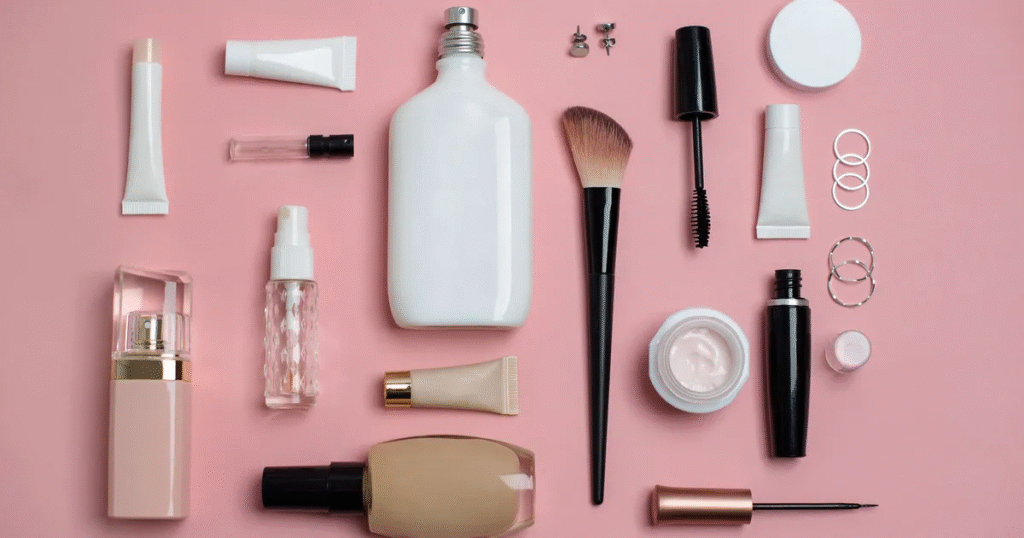
If you look inside the bathroom cabinet of almost any person who has ever bought a tube of mascara, you will find it: the graveyard of impulse buys. It’s a chaotic tangle of chalky Makeup eyeshadow palettes, foundations that turn an alarming shade of orange by lunchtime, and lipsticks that looked stunning in the store lighting but make you look like a Victorian ghost in the cold light of day.
Every single one of those items was bought because it felt like a bargain. But the math of the beauty aisle is cruel: a $6 concealer you never wear because it creases under your eyes is infinitely more expensive than a $30 concealer you use until the tube is completely bone-dry.
For a long time, the beauty industry ran on a very effective psychological trick. It convinced us that luxury was a direct reflection of price. If a cream didn’t come in a heavy glass jar with a golden cap and a three-digit price tag, it couldn’t possibly give you that luminous, lit-from-within glow. On the other end of the spectrum, budget makeup was treated like a penalty box—something you bought in high school or when money was incredibly tight, characterized by chalky textures, chemical smells, and packaging that cracked the second it hit the bottom of your purse.
But the chemistry of beauty has shifted completely. The modern cosmetic market has democratized high-performance ingredients. The exact same labs that formulate luxury products are now pouring incredibly similar formulas into sleek, minimalist bottles for budget-conscious brands.
The secret to building a stellar makeup collection in 2026 isn’t about having an unlimited bank account; it’s about developing a sharp, analytical eye. It’s about knowing exactly when to invest your hard-earned money in structural formulas that sit directly on your skin barrier, and when to confidently save your cash on simple color cosmetics.
The Real Estate Makeup of Your Face
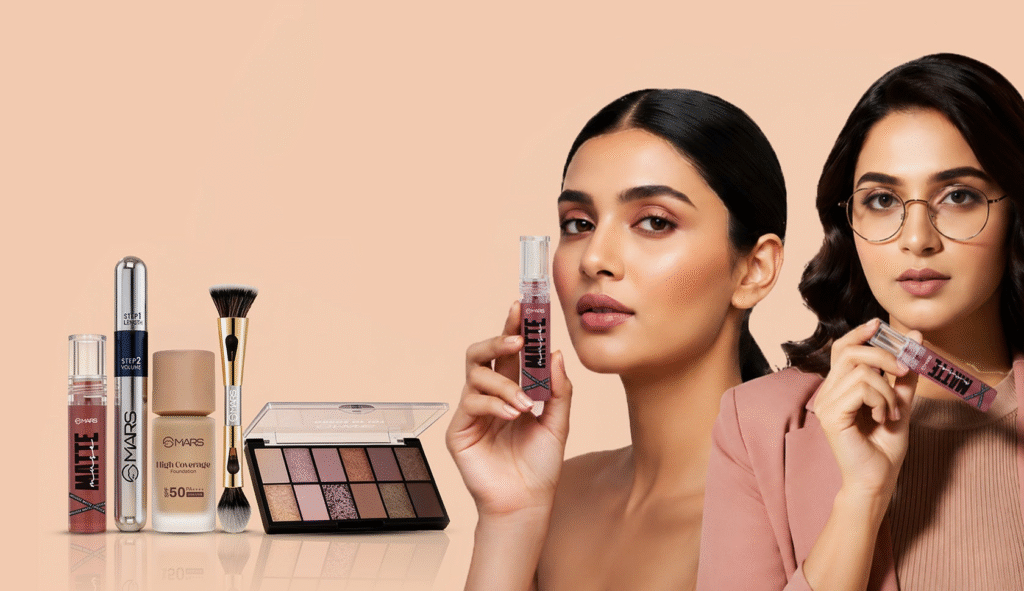
To shop for makeup strategically, you have to treat your face like a piece of real estate. Some areas require premium foundational infrastructure; others just need a coat of paint.
The single most important rule of smart beauty shopping is this: Never skimp on your base, but always skimp on your accents.
Your foundation, skin tint, and concealer are the ultimate anchors of your look. They don’t sit on your features; they merge with your skin texture, react with your natural oils, and endure the heat and humidity of your environment for ten to twelve hours a day. Cheap base products often cut corners by using heavy texturizers like talc or low-grade oils that clog pores, settle into fine lines, and break down unevenly as the day goes on.
When you invest in a high-quality, mid-to-high-end complexion formula, you are paying for advanced polymer technology, micronized pigments that mimic actual skin, and sophisticated shade matching. A flawless base instantly elevates everything else you put on top of it. Even a $4 drugstore blush looks expensive when it’s sitting on a beautifully executed canvas.
Conversely, color cosmetics—like lip glosses, brow gels, blushes, and eyeliners—are incredibly easy to source from the budget aisle.
A clear lip gloss is essentially polybutene, hydrogenated polyisobutene, and shine elements. The molecular structure of a budget gloss from the grocery store is functionally identical to the one sold at a luxury department store counters. The same goes for powder blush and bronzer; the basic mechanics of pigment and binder don’t change drastically between a $10 compact and a $60 compact. By letting the drugstore handle your color accents, you free up the necessary financial runway to invest in a premium foundation that keeps your skin looking healthy and radiant.
The Myth of the “Full Face” Makeup
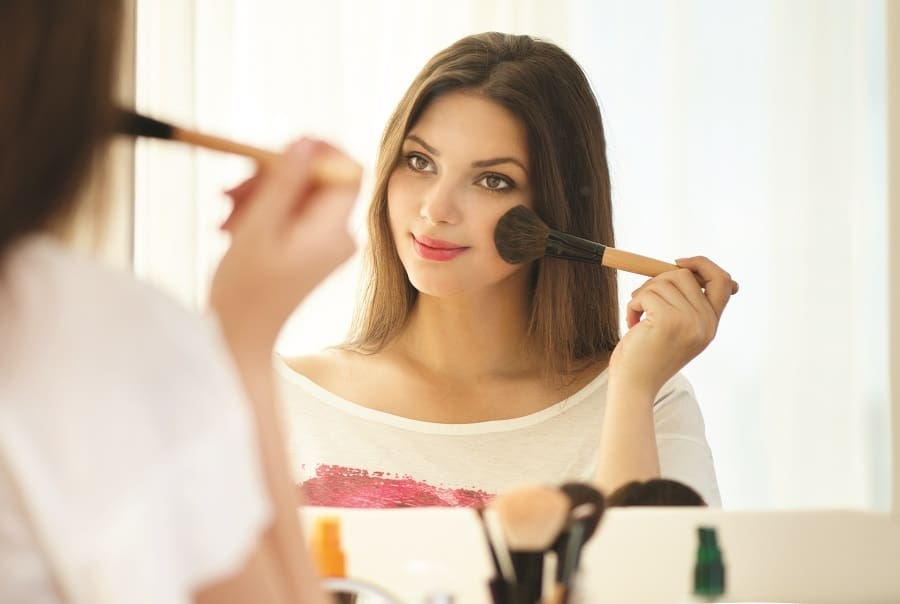
The beauty industry loves to create problems just so it can sell you the solution. Over the past decade, social media culture convinced an entire generation that a standard, everyday makeup routine required a multi-step checklist: primer, color corrector, full-coverage foundation, baking powder, contour, highlight, setting spray, and a three-shade brow system.
It was an exhausting, expensive, and heavy approach to beauty that looked great under filtered studio lights but felt like a mask in the real world.
The modern beauty landscape has moved toward structural minimalism. The goal today isn’t to obliterate your features under layers of pigment; it’s to highlight them with targeted, multifunctional products. You do not need a twenty-product routine to look polished and put together for a morning meeting.
Think about the sheer utility of a high-quality cream blush stick. A single, well-formulated stick in a warm, dusty rose tone can be dabbed onto the apples of your cheeks for a fresh flush, swiped across your eyelids for a subtle monochromatic warmth, and patted onto your lips as a soft stain. Add a solid concealer to spot-treat blemishes, a coat of defining mascara, and a quick brush through your brows with a tinted gel.
Suddenly, your routine drops from fifteen minutes and $150 down to four minutes and four targeted products. This isn’t just a budget-saving strategy; it’s a lifestyle upgrade that gives you your mornings back.
Decoding the Ingredients List of Makeup
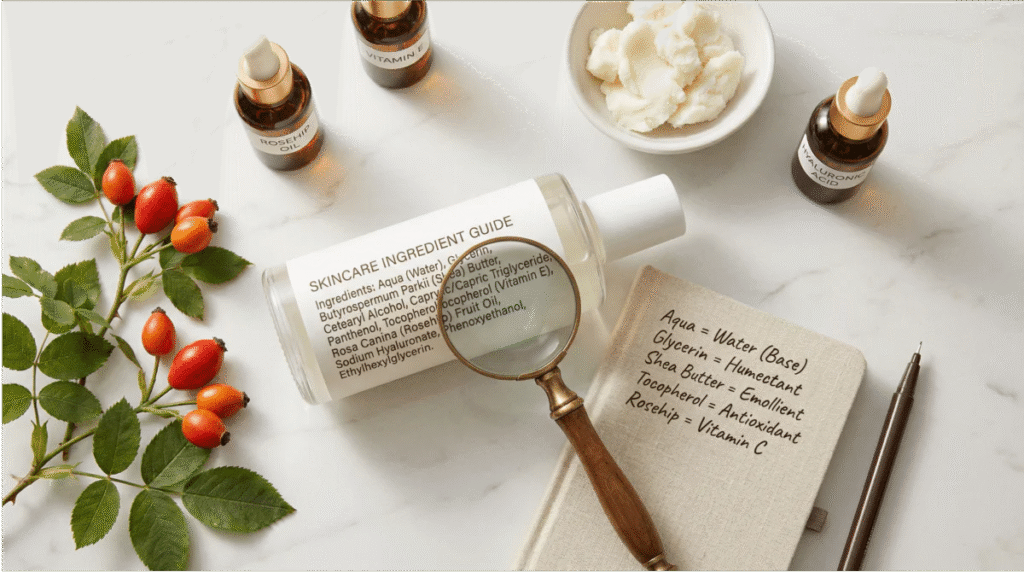
When you are standing in the beauty aisle trying to decide if a product is actually worth the investment, stop looking at the celebrity endorsement on the display and turn the box over. The ingredients list is the only place where a brand is legally required to tell you the absolute truth.
- Look for Hydration Heavyweights: If a budget skin tint or concealer lists Hyaluronic Acid, Glycerin, or Squalane in the top five ingredients, it’s a strong sign that the formula will keep your skin looking plump and hydrated throughout the day, preventing that dry, cakey look that plagues cheap cosmetics.
- The Power of Niacinamide: This ingredient is a powerhouse for calming redness and balancing sebum production. Finding it in an affordable primer or base product means your makeup is actively working as skincare while you wear it.
- What to Avoid in the First Five Ingredients: If an everyday complexion product lists heavy silicones (like Dimethicone) or isopropyl palmitate at the very top of the list, be cautious if you have sensitive or acne-prone skin. While silicones create a smooth surface, an excess of cheap fillers can trap sweat and oil, leading to midday breakouts.
The Strategic Blueprint for Curation
| The Reactionary Impulse Buy | The Curated Investment |
| Complexion: Buying a cheap, heavy foundation solely because it’s on clearance, ignoring skin tone undertones. | Complexion: Spending time color-matching a premium, skin-mimicking tint that wears beautifully for 12 hours. |
| Accents: Owning fifteen slightly different shades of inexpensive nude lipsticks that sit unused in a drawer. | Accents: Owning two highly versatile, high-pigment lip/cheek sticks that travel easily and work everyday. |
| Brows & Lashes: Purchasing complicated multi-step brow kits and lash primers that add unnecessary steps. | Brows & Lashes: Relying on one dependable, smudge-proof mascara and a clean, strong-hold brow gel. |
| Trend Chasing: Buying neon graphic liners or glitter toppers to capture a passing social media trend. | Trend Chasing: Keeping the core kit classic and timeless, using affordable drugstore finds for occasional fun pops of color. |
The Confidence of Less

At the end of the day, makeup is an incredibly personal ritual. It is a quiet moment in front of the mirror before the rest of the world wakes up—a chance to decide how you want to present yourself to the day. It shouldn’t be a source of financial stress, and it definitely shouldn’t feel like an obligation to fulfill a corporate beauty standard.
A truly successful makeup collection is one where every single item earns its place every day. When you stop chasing the dopamine hit of the discount bin and start shopping with a clear plan, you develop a sense of beauty literacy. You learn exactly what your skin loves, what shades make your eyes pop, and what textures make you feel comfortable in your own skin. The most radiant, sophisticated version of you doesn’t require a vanity exploding with products; it just requires a few intentional, hardworking items that make you feel completely ready to face whatever the world throws at you.
Final Thoughts
The best makeup deals for every budget are the ones that combine value, quality, and everyday usefulness. Whether you are shopping for affordable basics, mid-range favorites, or luxury beauty on sale, the goal is the same: buy makeup that helps you feel confident without overspending. Today’s beauty trends support this approach by favoring versatile products, natural finishes, and simple routines that make smart shopping even easier.
With a little planning, you can build a beautiful makeup collection at any price point. The secret is to shop with purpose, compare your options, and choose products that offer real value. That is how budget beauty becomes smart beauty.
FAQs
1.What is the best way to find makeup deals?
The best way is to compare prices, watch seasonal sales, join retailer newsletters, and look for bundle offers or reward points.
2.Are expensive makeup products always better?
Not always. Some affordable products perform extremely well, especially when they focus on strong formulas and everyday usefulness.
3.Which makeup items are worth buying on sale?
Foundation, concealer, mascara, and setting products are often great sale purchases because they are used often and affect the final look.
4.How can I save money on makeup without sacrificing quality?
Focus on versatile products, avoid duplicates, and buy only what fits your routine instead of chasing every trend.
5.Can budget makeup still look high-end?
Yes. With the right shades, good application, and smart product choices, affordable makeup can look polished and elegant.