
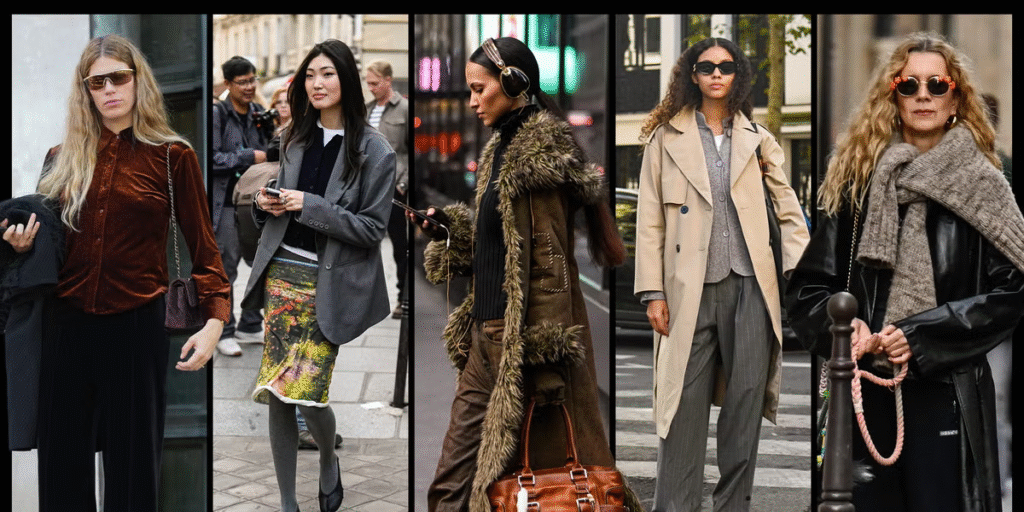
Winter fashion is about more than wearing a warm coat and your favorite pair of jeans. It is an opportunity to experiment with different textures, build interesting layers, combine seasonal colors, and create outfits that reflect your personal style. With a thoughtful approach, even a simple winter wardrobe can look fashionable, comfortable, and well put together.
The best winter street style outfits balance three important elements: warmth, practicality, and appearance. A beautiful outfit will not feel comfortable if it leaves you cold, while too many heavy layers can make everyday movement difficult. Choosing suitable fabrics, understanding proportions, and investing in versatile wardrobe essentials can help you create outfits that work for different occasions.
From oversized coats and chunky knitwear to puffer jackets, tailored trousers, and statement boots, there are plenty of ways to refresh your winter look. Whether you prefer relaxed streetwear, minimalist fashion, sporty outfits, or a polished urban aesthetic, these ideas will help you dress confidently throughout the colder months.
What Is Winter Street Style?
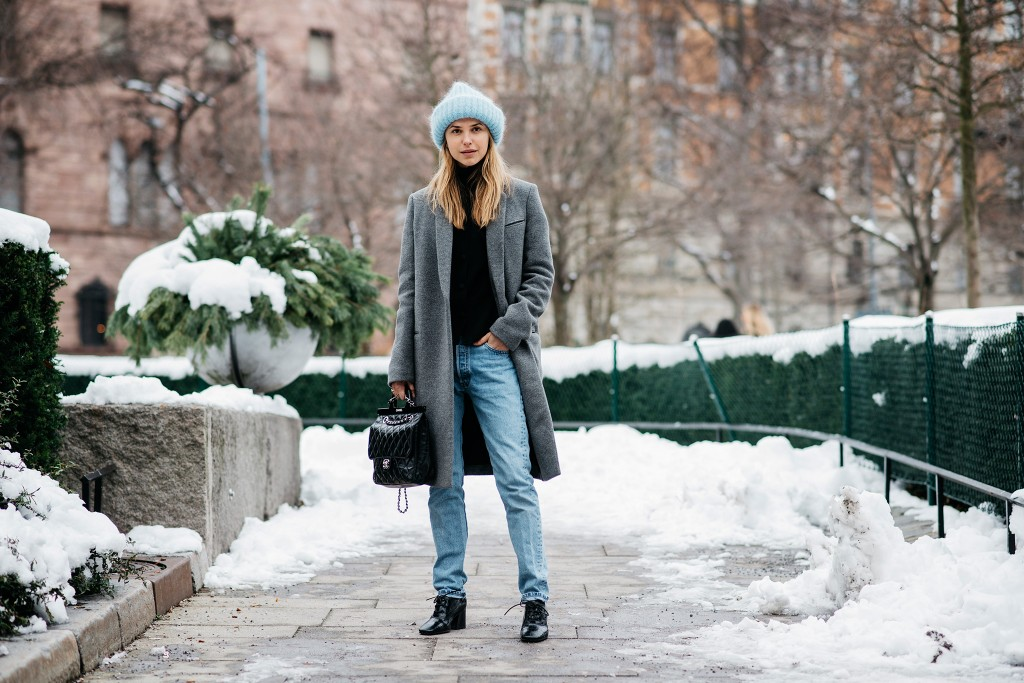
Winter street style refers to everyday fashion inspired by how people combine clothing, footwear, and accessories for real-life activities during colder weather. Unlike outfits designed exclusively for fashion shows or formal events, street style often focuses on wearable combinations that work for shopping, commuting, meeting friends, traveling, and exploring the city.
It brings together practical winter clothing and individual expression. For example, someone might pair a traditional wool coat with sneakers for a contemporary look, while another person may choose a puffer jacket, wide-leg trousers, and chunky boots for a more relaxed streetwear aesthetic.
Winter street style does not follow one fixed formula. It can be minimalist, sporty, vintage-inspired, elegant, or bold. The key is choosing clothing that complements your lifestyle, fits comfortably, and works with the weather in your area.
1. Oversized Coats with Straight-Leg Jeans
An oversized coat is one of the most versatile pieces you can add to a winter wardrobe. Its relaxed silhouette creates a fashionable outer layer, while straight-leg jeans provide structure and make the outfit easy to wear.
Choose a wool or wool-blend coat in camel, charcoal, black, or gray. These colors are relatively easy to coordinate with sweaters, shirts, and everyday footwear. Underneath, wear a fine-knit sweater or turtleneck with straight-leg denim.
Ankle boots create a refined appearance, while sneakers make the outfit feel more casual. A scarf and structured handbag can add detail without making the combination look overly complicated.
How to style it: If your coat has a generous fit, avoid adding too many bulky layers underneath. A thermal top, lightweight sweater, and coat can provide a comfortable combination without restricting movement.
Best for: Everyday outings, casual work environments, shopping, and city walks.
2. Puffer Jackets for Comfortable Streetwear
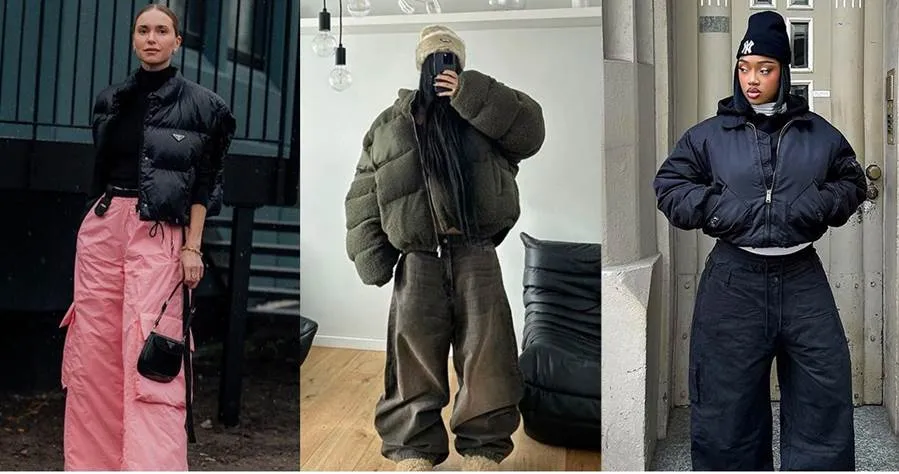
Puffer jackets are designed to provide insulation and are particularly useful when temperatures drop. They are available in different lengths, from cropped designs to longer styles that offer more coverage.
For an everyday streetwear outfit, pair a puffer jacket with a hoodie, relaxed-fit jeans, and sneakers. Neutral shades such as black, navy, gray, and beige are easy to style. If you prefer a more expressive look, try burgundy, forest green, or a contrasting color combination.
When shopping for a puffer jacket, pay attention to its insulation, lining, fit, and intended weather conditions. Down insulation can provide substantial warmth for its weight, while synthetic insulation is often a practical option in damp conditions. Actual performance depends on the construction and quality of the jacket.
How to style it: Balance a voluminous jacket with straight-leg trousers or streamlined jeans. If you prefer oversized streetwear, wide-leg trousers can also work, particularly when the outfit has a consistent color palette.
Best for: Commuting, casual outings, travel, and cold-weather activities.
3. Monochrome Outfits for a Sophisticated Look
Monochrome dressing involves building an outfit around one color or different shades of the same color. It is a simple way to create a coordinated appearance without relying on complicated patterns or numerous accessories.
An all-black outfit with a black turtleneck, tailored trousers, and a long coat creates a sleek silhouette. Alternatively, combine a cream sweater with beige trousers, a camel coat, and tan boots for a softer look.
The secret to successful monochrome styling is texture. If every piece has the same finish, the outfit may look flat. Mixing ribbed knitwear, smooth wool, denim, suede, and leather-look accessories adds depth even when the colors are similar.
You can also experiment with tonal combinations, such as chocolate brown with caramel, charcoal with light gray, or navy with pale blue.
How to style it: Start with two or three shades from the same color family. Use shoes or a handbag in a slightly different tone to create contrast.
Best for: Minimalist fashion lovers, office-friendly outfits, dinners, and smart-casual occasions.
4. Hoodies Layered Under Blazers
Combining a hoodie with a blazer creates a contrast between relaxed clothing and structured tailoring. This look is useful when you want an outfit that feels comfortable but appears more intentional than ordinary casualwear.
Choose a simple hoodie without excessive graphics and layer it beneath a blazer that provides enough room through the shoulders. Pair the combination with straight-leg jeans or tailored trousers.
White sneakers keep the outfit relaxed, while leather-look boots can make it appear more polished. A neutral hoodie in gray, black, or cream is particularly versatile because it works with several blazer colors.
How to style it: Avoid a hoodie that is too thick for the blazer. Excess fabric around the neckline and shoulders can make layering uncomfortable. In colder weather, add a warm coat over the blazer if the combined layers fit comfortably.
Best for: Casual workplaces, coffee outings, university settings, and weekend activities.
5. Chunky Knitwear with Wide-Leg Trousers
Chunky knit sweaters are winter essentials because they offer warmth and introduce texture to an outfit. When paired with wide-leg trousers, they create a relaxed silhouette that works well for contemporary street style.
Look for cable-knit sweaters, ribbed pullovers, or textured cardigans. Wool and suitable wool blends are useful for insulation, while cotton knits may be more comfortable in milder conditions. Check the fabric composition and care instructions before purchasing.
Pair your sweater with wide-leg denim, tailored trousers, or corduroy pants. Ankle boots, chunky sneakers, or platform shoes can complete the look.
If your sweater is oversized, a partial front tuck can help define your waist. If you prefer a looser silhouette, leave it untucked and choose trousers that fall cleanly over your footwear.
How to style it: Combine a textured sweater with relatively simple trousers. This allows the knitwear to become the focal point without making the outfit feel busy.
Best for: Everyday wear, weekend outings, casual travel, and relaxed winter styling.
6. Leather Jackets with Layered Basics
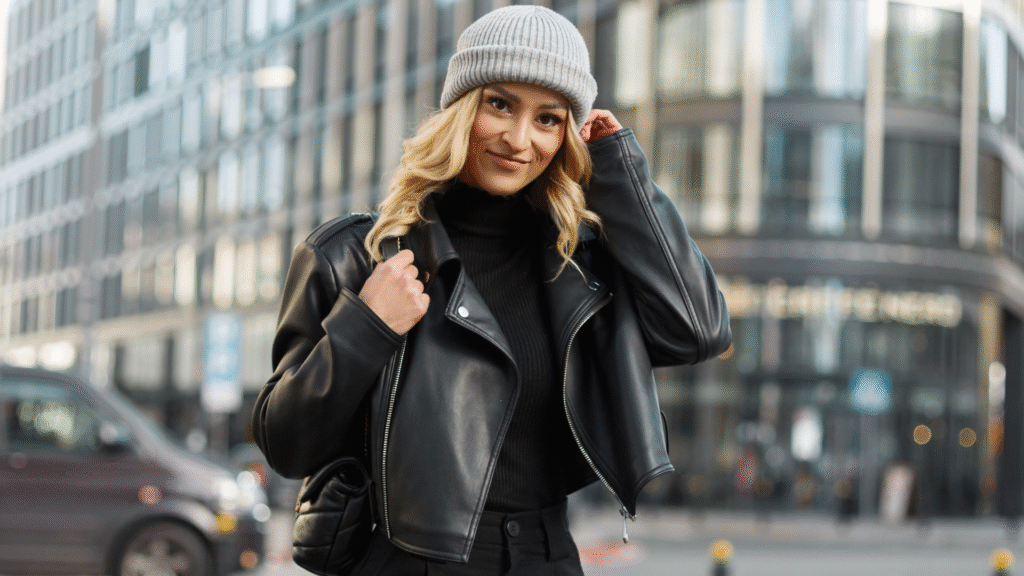
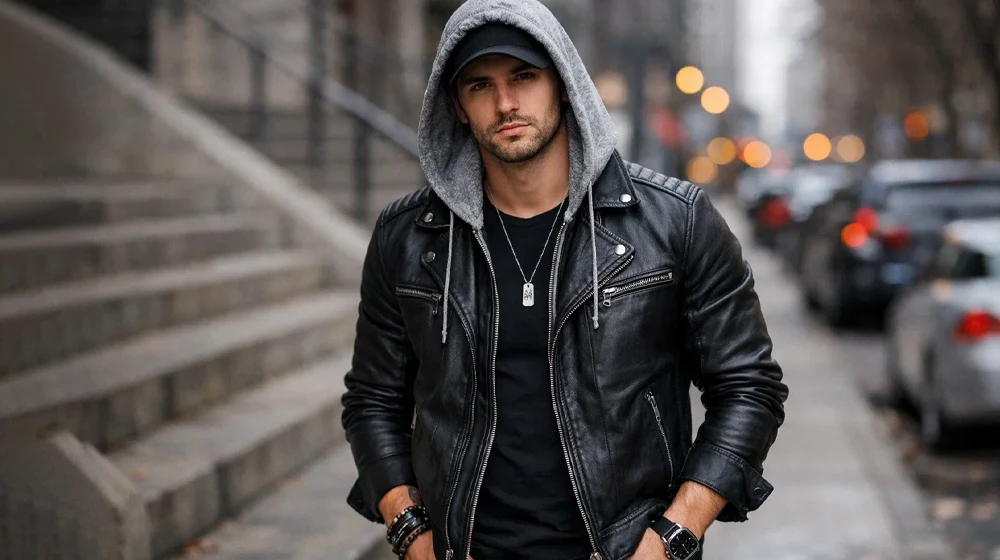
Leather and leather-look jackets are useful for creating a more defined, edgy winter outfit. Their structured appearance contrasts with softer materials such as knitwear, cotton, and denim.
For a classic combination, wear a black jacket over a fine-knit sweater, then add dark jeans and combat boots. A brown jacket with cream knitwear and blue denim creates a softer, vintage-inspired appearance.
However, not every leather jacket provides enough insulation for very cold weather. If temperatures are low, wear a thermal base layer and a warm sweater underneath, or choose a jacket with suitable lining.
How to style it: Keep the color palette simple and use texture to add interest. Black, brown, dark denim, and cream work particularly well together.
Best for: Evening outings, casual dinners, concerts, and urban-inspired outfits.
7. Denim-on-Denim with Winter Layers
Denim is a reliable wardrobe staple because it can be worn in many different ways. Combining denim pieces creates a casual street-style outfit, while additional winter layers make the look more practical.
Try a denim shirt with dark jeans and a long wool coat. Alternatively, wear a denim jacket over a lightweight sweater and add another insulating outer layer when needed.
You can combine similar denim washes for a coordinated appearance or choose contrasting shades to create more visual separation. For example, a light blue denim shirt paired with dark indigo jeans creates an easy contrast.
Choose footwear according to the weather. Sneakers work well in dry conditions, while boots with suitable traction are a better choice on wet or slippery surfaces.
How to style it: If you are wearing similar denim shades, use a contrasting sweater, coat, belt, or bag to break up the outfit.
Best for: Weekend activities, casual gatherings, everyday errands, and relaxed travel.
8. Longline Cardigans with Comfortable Basics
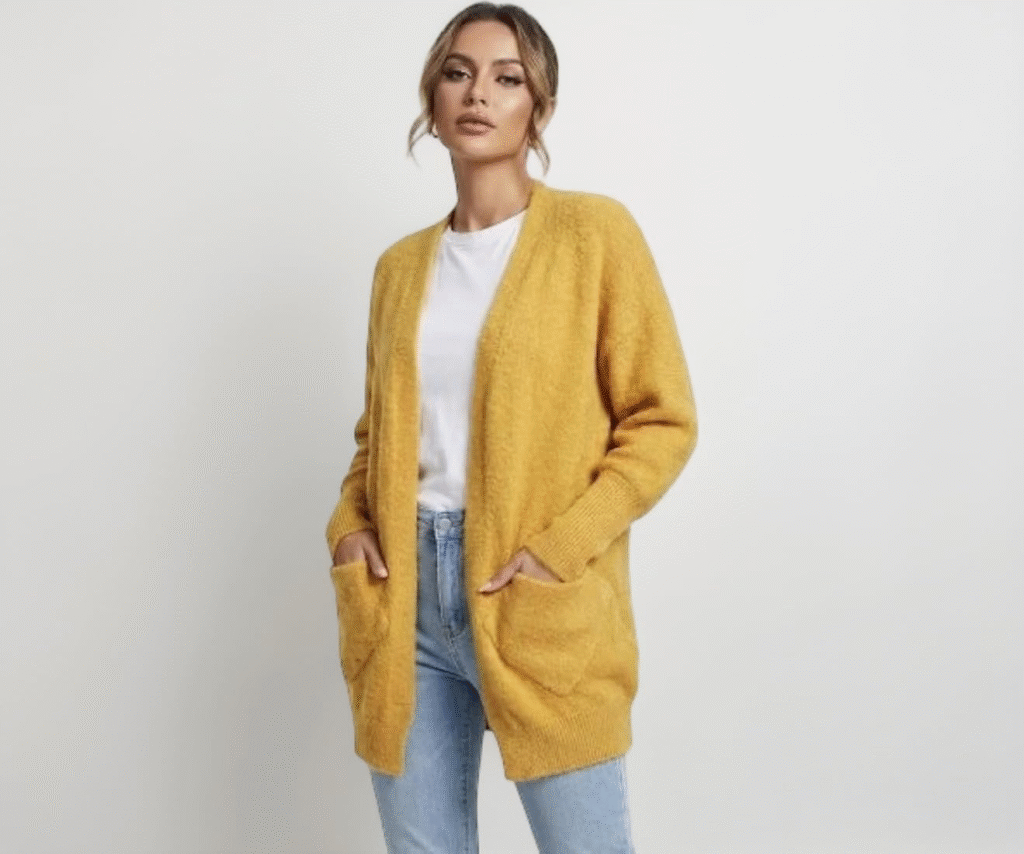
A long-line cardigan is a useful layering piece for mild winter weather, indoor settings, and transitional days. It provides extra coverage without the structured feel of a heavy coat.
Wear a long cardigan over a fitted top or lightweight turtleneck, then pair it with straight-leg jeans, leggings, or tailored trousers. Neutral shades such as cream, gray, camel, and brown are easy to coordinate with everyday clothing.
Boots can create a more polished look, while sneakers make the outfit feel relaxed. If you want more definition, add a belt over the cardigan, provided the fabric and cut suit that styling choice.
Remember that a cardigan is not always a substitute for insulated outerwear. For cold or windy conditions, add a coat that provides adequate protection.
How to style it: Combine a longer cardigan with a simple base layer to avoid excessive bulk. Pay attention to the cardigan’s length in relation to your trousers and footwear.
Best for: Mild winter days, indoor activities, casual meetings, and comfortable everyday outfits.
9. Sporty Street Style with Track Pants
Sport-inspired fashion combines comfortable clothing with athletic details. Track pants, sweatshirts, sneakers, and lightweight jackets can create an outfit that feels practical while still looking stylish.
For a simple combination, wear straight-leg track pants with a sweatshirt and puffer jacket. Alternatively, pair wide-leg track pants with a shorter jacket to create a more defined silhouette.
Neutral colors are easy to coordinate, but a brighter jacket or contrasting sneakers can add personality. If you spend a lot of time outdoors, consider thermal layers and fabrics that suit the temperature and activity level.
Choose track pants with a comfortable waistband and a fit that allows easy movement. The fabric should also be suitable for the conditions in which you plan to wear them.
How to style it: Match the level of formality across the outfit. Clean sneakers, well-fitting pants, and a coordinated jacket can make sporty clothing look more intentional.
Best for: Travel, casual outings, campus wear, walking, and relaxed weekends.
10. Turtlenecks with Tailored Trousers
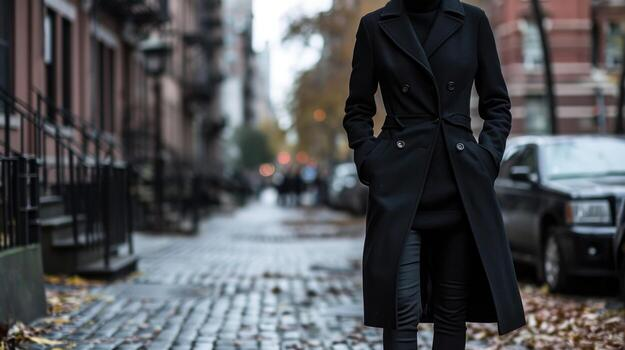
A turtleneck paired with tailored trousers is an effective way to create a polished winter outfit. It can work for casual offices, dinner plans, and occasions where you want to look put together without wearing formal clothing.
Choose a turtleneck in a comfortable knit and pair it with straight-leg or slightly relaxed tailored trousers. A long coat adds warmth and creates a clean outer silhouette.
For a classic look, combine a black turtleneck with gray trousers and black boots. For a softer color palette, try an ivory turtleneck with brown trousers and a camel coat.
The fit of each piece matters. Trousers should allow comfortable movement, and the turtleneck should not feel restrictive around the neck.
How to style it: Add one or two accessories, such as a belt, watch, or structured bag. Keeping the details simple allows the clean lines of the outfit to stand out.
Best for: Smart-casual occasions, office settings, dinners, and everyday city wear.
11. Winter Skirts with Tights and Boots
Skirts can be part of a winter wardrobe when they are styled with suitable layers. The right combination depends on the skirt’s fabric, the outdoor temperature, and how much time you will spend outside.
A wool-blend or corduroy skirt can be paired with opaque tights, a warm sweater, and a long coat. Knee-high boots provide additional coverage, while ankle boots create a slightly different silhouette.
For a casual outfit, combine a simple skirt with chunky knitwear and flat boots. For a more refined appearance, try a fitted turtleneck, tailored coat, and structured handbag.
When temperatures are particularly low, add warm base layers and choose tights designed for colder conditions. Do not rely on a fashionable appearance alone to determine whether an outfit is warm enough.
How to style it: Coordinate the color of your tights with your boots for a visually continuous line, or use contrasting shades when you want the footwear to stand out.
Best for: Casual dinners, city outings, winter events, and fashion-focused everyday looks.
12. Statement Scarves, Beanies, and Gloves
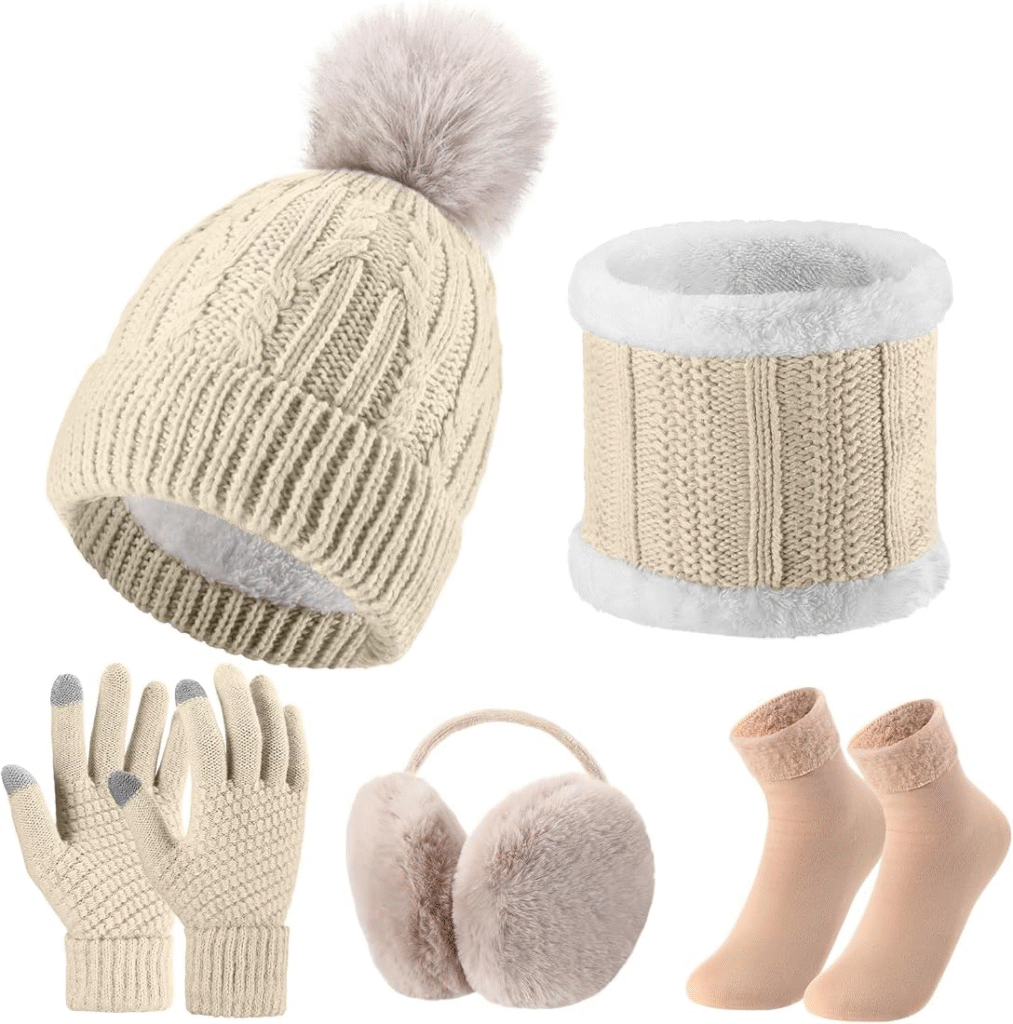
Accessories often make the difference between a basic winter outfit and one that feels thoughtfully styled. Scarves, beanies, gloves, belts, and bags can introduce color, texture, and personality without requiring a complete wardrobe change.
A neutral coat, for example, can look different when paired with a burgundy scarf instead of a gray one. A knitted beanie can make a puffer jacket feel more relaxed, while leather gloves can complement a tailored wool coat.
Practicality matters, too. Choose scarves that feel comfortable against your skin, gloves that allow you to use your hands easily, and hats that provide suitable coverage for the weather.
How to style it: Choose one main accessory as the focal point. If your scarf has a bold pattern, keep the remaining accessories relatively simple.
Best for: Everyday winter outfits, travel, outdoor walks, and adding variety to a small wardrobe.
13. How to Choose the Right Fabrics for Winter Street Style
Fabric selection is one of the most important parts of building a winter wardrobe. Two jackets may look similar but provide very different levels of warmth depending on their construction, lining, insulation, and fit.
| Fabric or material | Main benefit | What to consider |
|---|---|---|
| Wool | Helps retain warmth and is useful for coats and knitwear | Check the blend, thickness, and care requirements |
| Merino wool | Often soft and useful for comfortable base layers and sweaters | Some garments require gentle washing |
| Fleece | Lightweight insulation and soft texture | May provide limited protection against wind unless combined with a suitable outer layer |
| Down insulation | Offers substantial warmth for its weight | Performance can decrease when wet unless properly protected |
| Synthetic insulation | Often practical in damp conditions and easier to maintain in some garments | Warmth varies by construction and insulation quality |
| Cotton denim | Durable and versatile for everyday outfits | Provides limited insulation on its own |
| Corduroy | Adds texture and can provide more substance than lightweight fabrics | Warmth depends on fabric weight and garment construction |
| Leather or leather-look materials | Creates a structured appearance and can help block wind | Insulation depends on the lining and construction |
A practical winter outfit often combines several materials rather than relying on one thick garment. A comfortable base layer, insulating middle layer, and weather-appropriate outer layer can help regulate warmth more effectively.
14. Winter Street Style Color Combinations That Work
Color coordination can make winter outfits easier to assemble. You do not need to follow every seasonal trend; a small palette of complementary colors can provide plenty of variety.
| Color combination | Outfit idea | Overall style |
|---|---|---|
| Black and gray | Black coat, gray sweater, dark jeans | Modern and understated |
| Camel and cream | Camel coat, cream knitwear, beige trousers | Soft and sophisticated |
| Brown and denim blue | Brown jacket, blue jeans, neutral knit | Casual and vintage-inspired |
| Burgundy and black | Burgundy sweater, black trousers, dark boots | Bold and refined |
| Forest green and beige | Green jacket, beige trousers, neutral sneakers | Earthy and relaxed |
| Navy and ivory | Navy coat, ivory sweater, dark trousers | Classic and versatile |
| Gray and pastel blue | Gray knitwear, blue shirt, dark denim | Fresh and minimal |
When choosing colors, consider what you already own. Building around two or three complementary shades makes it easier to combine new pieces with existing clothing.
15. How to Build a Winter Street Style Wardrobe on a Budget
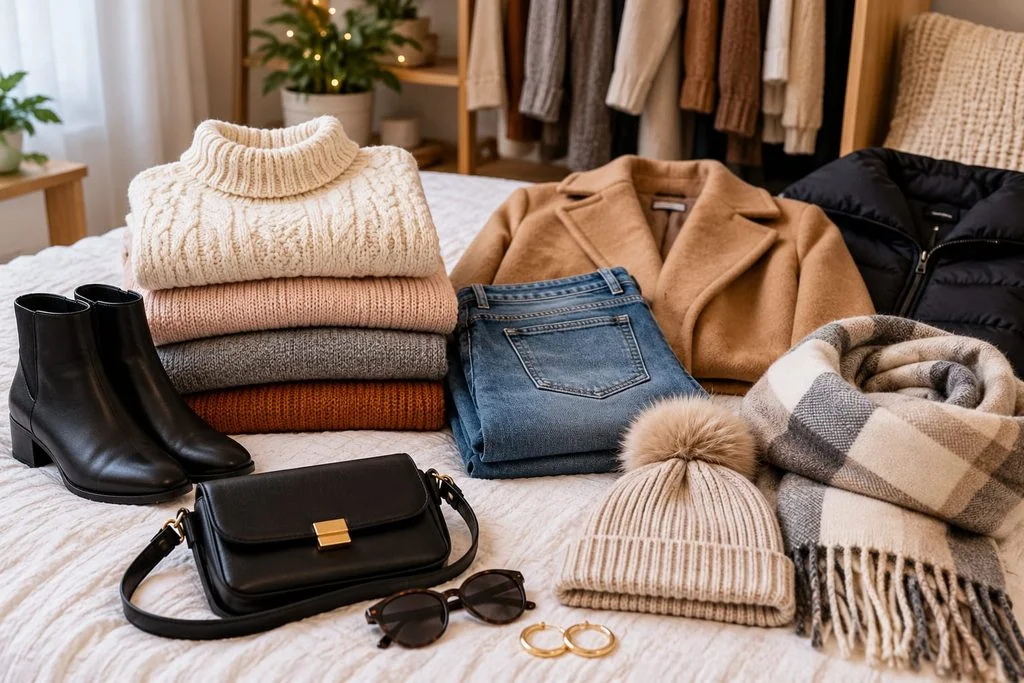
Looking stylish in winter does not require buying a completely new wardrobe every season. The most useful approach is to choose versatile pieces that work together and can be worn in different combinations.
Start with essential pieces
A practical winter wardrobe might include a warm coat, a jacket suited to your climate, two or three sweaters, comfortable jeans, tailored trousers, everyday boots, and a few useful accessories. You can adjust this list according to your lifestyle and local weather.
Buy clothing that works with multiple outfits
Before purchasing an item, consider at least three ways to wear it. A neutral coat that works with jeans, tailored trousers, and a skirt will generally be more versatile than a piece that matches only one outfit.
Compare fabric quality and construction
Look at seams, zippers, lining, insulation, and care instructions. A lower price is not always the best value if the item does not provide adequate warmth or wears out quickly.
Shop secondhand and during sales
Pre-owned coats, denim, knitwear, and leather jackets can be useful options when they are in good condition. Seasonal sales can also offer savings, but compare the final price and buy only what you genuinely need.
Refresh outfits with accessories
A new scarf, belt, or beanie can change the appearance of clothing you already own. Accessories are often an affordable way to experiment with a different color palette or style.
Think about cost per wear
Instead of judging a garment only by its purchase price, consider how frequently you expect to use it. A versatile coat worn regularly over several seasons may offer better value than a trendy item used only a few times.
16. Common Winter Street Style Mistakes to Avoid
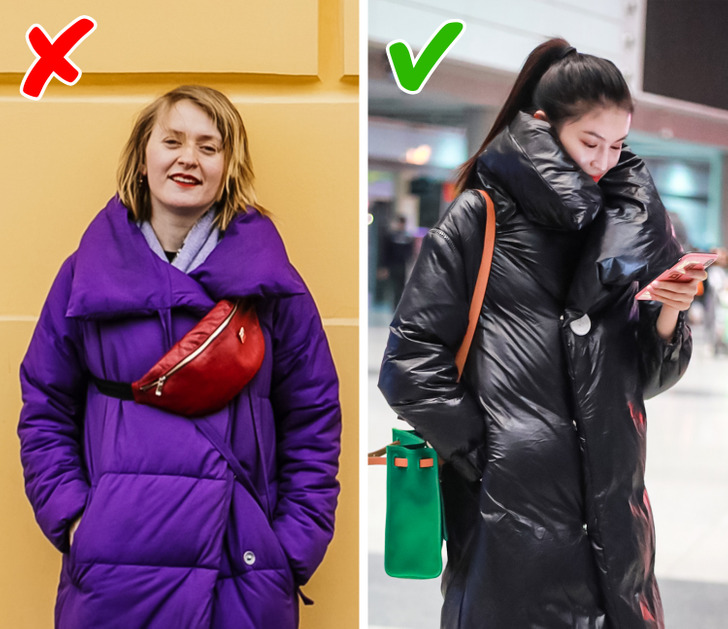
A few simple adjustments can make winter outfits more comfortable and visually balanced.
Wearing too many bulky layers: Several thick layers can restrict movement and make it difficult to fit comfortably into a coat. Choose layers that work together and leave enough room for movement.
Ignoring the weather: A fashionable jacket may not provide enough insulation for cold temperatures or sufficient protection in rain. Select outerwear according to actual conditions.
Combining too many statement pieces: Bold colors, large patterns, oversized silhouettes, and striking accessories can compete for attention. Choose one main feature and let the remaining pieces support it.
Buying uncomfortable footwear: Boots and sneakers should fit properly and provide suitable traction. Consider the surfaces you walk on, especially in wet or icy conditions.
Following trends without considering fit: A popular silhouette may not suit every preference or activity. Prioritize comfort, proportions, and clothing that fits your everyday routine.
Neglecting garment care: Knitwear, wool coats, and leather pieces may require specific cleaning and storage methods. Following care instructions can help preserve their appearance and extend their useful life.
Frequently Asked Questions
1. What are the best winter street style outfit ideas?
Oversized coats with straight-leg jeans, puffer jackets with hoodies, monochrome outfits, chunky sweaters with wide-leg trousers, and turtlenecks with tailored pants are versatile options. Choose the combination that suits your personal style and local weather.
2. How can I look stylish in winter without feeling bulky?
Use comfortable base layers, lightweight knitwear, and outerwear with enough room for movement. Balancing an oversized jacket with straighter trousers can also create a more defined silhouette.
3. Which fabrics are best for winter clothing?
Wool and suitable wool blends are useful for coats and sweaters, while fleece and insulated jackets can provide additional warmth. The best choice depends on temperature, wind, moisture, garment construction, and activity level.
4. How can I create winter street style outfits on a budget?
Build outfits around versatile basics, restyle clothing you already own, consider secondhand pieces, compare fabric quality, and use accessories to refresh familiar combinations.
5. Can sneakers be worn with winter street style outfits?
Yes. Sneakers work well with jeans, tailored trousers, hoodies, and puffer jackets in suitable weather. For rain, snow, or slippery surfaces, choose footwear with appropriate weather protection and traction.
6. How do I choose the right winter coat?
Consider the typical temperature, wind, rain or snow, intended activities, insulation, length, and room for layering. A coat for a mild winter may be very different from one designed for freezing conditions.