
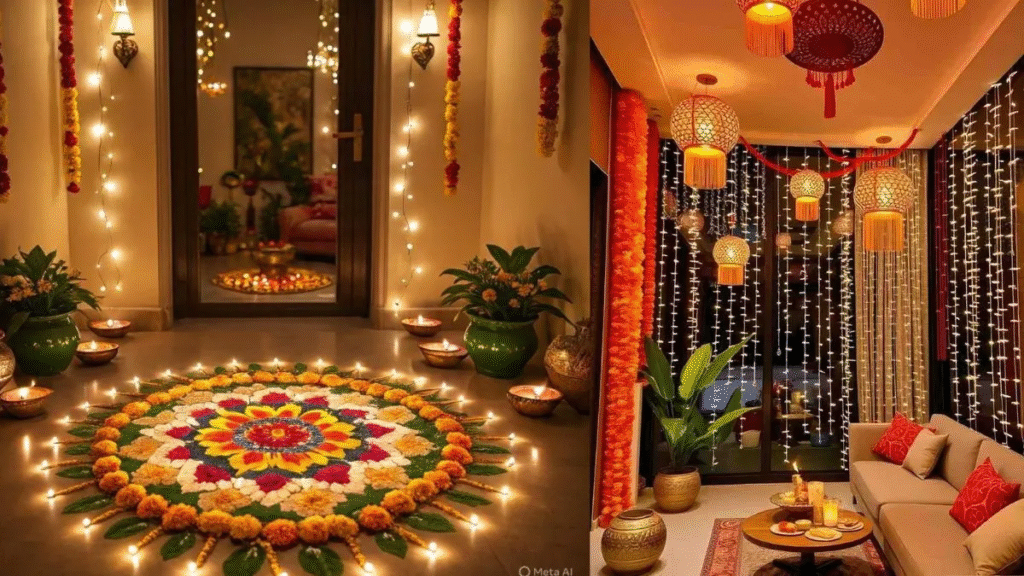
Festive home decoration is more than making a space look attractive. It helps create a welcoming environment, reflects cultural traditions, and makes family gatherings feel more meaningful. Home Decoration In India, festivals such as Diwali, Navratri, weddings, birthdays, and housewarming ceremonies often involve decorating entrances, living rooms, prayer areas, balconies, and dining spaces.
The good news is that you do not need expensive furniture or professional decorators to prepare your home for a special occasion. By combining traditional elements such as diyas and flower garlands with practical ideas such as LED lighting, reusable decorations, and organised furniture arrangements, you can improve the appearance of your home while managing your budget.
This guide explains how to choose decorations, arrange different areas of your home, select suitable materials, and create a coordinated festive look without unnecessary spending.
1. Plan Your Home Decoration Theme Before Buying Anything
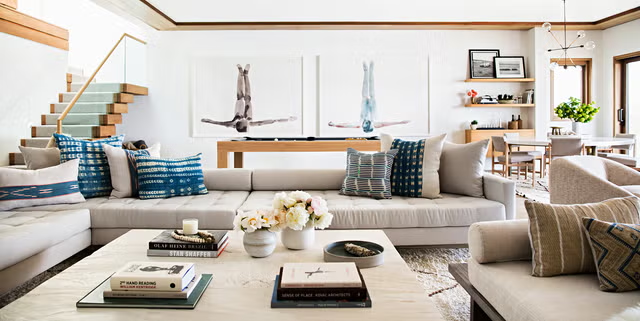
The first step in festive decoration is deciding what you want your home to look like. A clear theme helps you choose matching colours, materials, lighting, and accessories instead of purchasing items that do not work well together.
For a traditional Indian theme, consider marigold flowers, clay diyas, brass accessories, colourful fabrics, and rangoli. For a contemporary theme, use neutral colours, simple flower arrangements, warm LED lights, and minimal decorative objects.
You can also choose a theme based on the occasion. Diwali decorations may focus on lamps, rangoli, and the pooja area, while a birthday celebration may require a photo backdrop, balloons, and a decorated dining table.
Practical tip: Before shopping, inspect the decorations you already own. Reusing existing items and purchasing only what is missing can reduce costs and prevent unnecessary clutter.
2. Home Decoration the Entrance to Create a Welcoming First Impression
The entrance is one of the most noticeable areas of a home during a festival. It is where guests arrive, and it often provides the first indication of the celebration inside.
Begin by cleaning the doorway and removing unnecessary objects. Add a toran above the door, using fresh flowers, mango leaves, fabric, beads, or reusable artificial materials. Place a rangoli near the entrance if sufficient floor space is available.
For a more complete arrangement, use matching planters or a decorative lantern on either side of the doorway. In apartment buildings, ensure decorations do not obstruct shared corridors, emergency exits, or neighbouring entrances.
Best approach: Keep the entrance attractive but uncluttered. A clean doorway, one well-designed toran, and a small rangoli can look more organised than numerous unrelated decorations.
3. Choose the Right Rangoli Design and Materials in Home Decoration
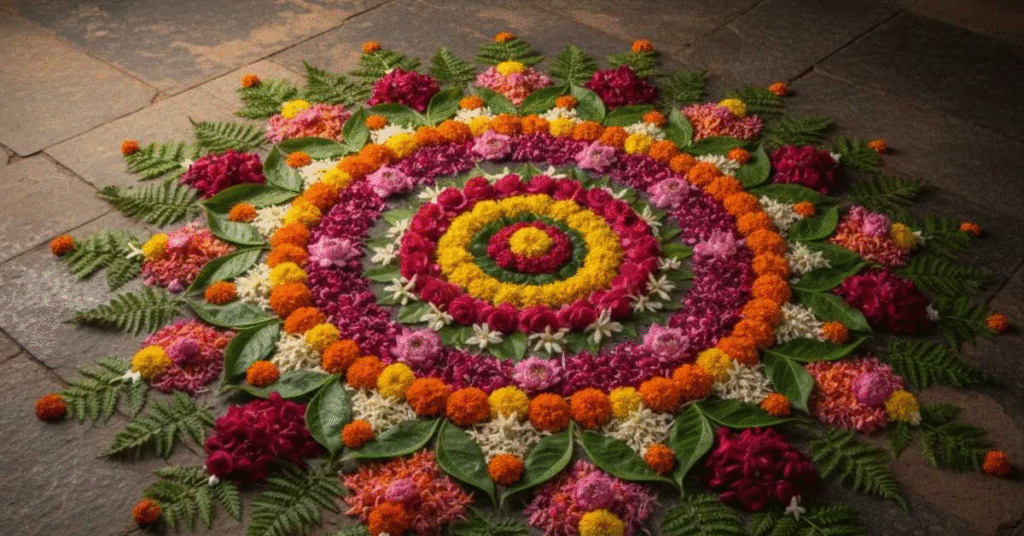
Rangoli is a traditional decorative art used during many Indian festivals, particularly Diwali. Designs may include floral patterns, geometric shapes, symmetrical motifs, and culturally significant symbols.
The material you select affects the appearance, durability, cleaning requirements, and suitability of the design for your space.
- Rangoli powder: Suitable for colourful designs with defined outlines and detailed patterns.
- Fresh flower petals: Useful for natural-looking designs, especially around entrances and decorative displays.
- Rice flour: Traditionally used for certain designs, depending on regional customs.
- Reusable rangoli stencils: Helpful for creating consistent patterns when you have limited time.
- Rangoli stickers: Convenient for smooth floors or homes where loose powder is difficult to manage.
Choose a level surface and avoid placing rangoli where people could easily slip or where the design blocks a walkway. If you use flower petals outdoors, remember that wind and moisture may affect the arrangement.
4. Use Diyas and Home Decoration Lighting Effectively
Lighting can change the atmosphere of a room by highlighting architectural features, decorative objects, and gathering areas. During Diwali, traditional diyas are particularly popular, while string lights, LED candles, and lanterns provide additional decorative options.
Clay diyas create a traditional appearance and can be arranged in designated areas on stable, heat-resistant surfaces. LED string lights are useful for windows, balconies, shelves, and door frames because they can provide decorative illumination without an open flame.
When choosing lights, check their intended use, power requirements, cable condition, and suitability for indoor or outdoor placement. Avoid connecting more electrical equipment than the socket or extension is rated to support.
Never leave burning diyas or candles unattended. Keep open flames away from curtains, paper lanterns, dry garlands, furniture, and other combustible materials. Battery-operated alternatives are particularly useful around children, pets, and fabric decorations.
5. Refresh the Living Room Without Replacing Furniture in Home Decoration
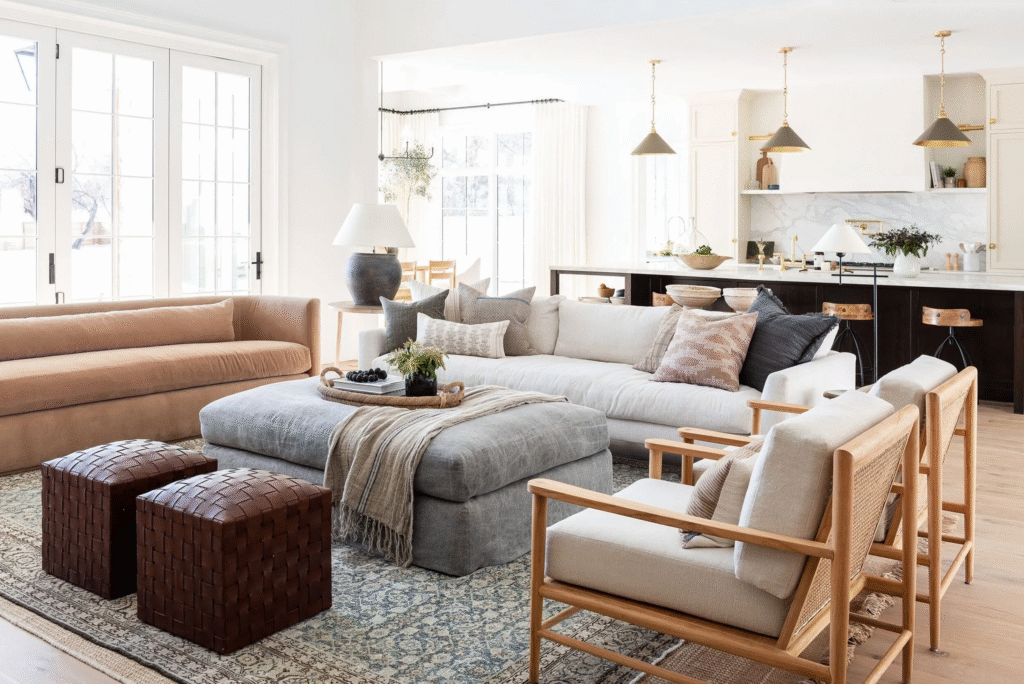
The living room usually serves as a gathering place during festivals. You can refresh its appearance by changing smaller decorative details rather than buying new furniture.
Start by rearranging seating to make conversation easier and maintain clear walking paths. Remove unnecessary items from coffee tables and shelves, then introduce a few coordinated decorations.
Cushion covers, table runners, throws, vases, and decorative trays are practical options because they can be changed between seasons. Traditional prints and rich colours may suit Diwali, while neutral fabrics and natural textures work well for a more contemporary look.
Pay attention to the size of the room. Large decorative arrangements may overwhelm a compact living area, while very small accessories can get lost in a spacious room. Choose items that fit the available surfaces and leave enough space for guests.
6. Create a Clean and Organised Pooja Corner Home Decoration
For households that observe religious rituals, the pooja area may be an important part of Diwali preparation. Decoration should support the purpose of the space while keeping it clean, accessible, and organised.
Begin by cleaning the shelves and arranging prayer essentials in a convenient location. Flowers, a suitable backdrop, traditional lamps, and a small decorative tray can help create a coordinated appearance.
Choose materials that are easy to clean and do not interfere with daily worship. Keep electrical wires away from oil lamps, incense, and other sources of heat. Place lit lamps on stable, heat-resistant surfaces and ensure the area has appropriate ventilation when incense is used.
Useful tip: Store frequently used prayer accessories together in a dedicated container. This makes preparation easier and helps maintain an orderly space after the festival.
7. Select Fresh Flowers and Garlands According to Your Needs in Home Decoration
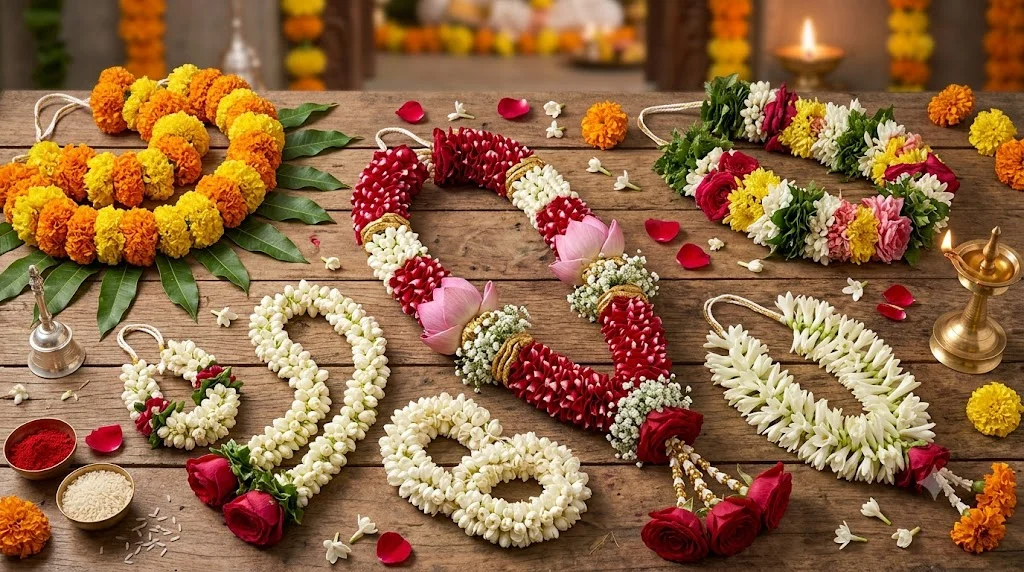
Flowers are widely used in Indian festive decoration because they introduce colour, natural texture, and fragrance. Marigolds are popular for torans and rangoli, while roses and other seasonal flowers can be used in vases, table arrangements, and prayer areas.
Fresh flowers generally suit short celebrations, but they require more maintenance than artificial alternatives. Heat, sunlight, and a lack of water can cause them to wilt. Keep cut flowers in clean containers with suitable water and replace damaged petals when necessary.
Artificial garlands are useful for repeated celebrations because they can be stored and reused. However, quality and appearance vary, so choose materials that match the overall style of your home.
For a more sustainable approach, use fresh flowers where their appearance matters most and reusable decorations in areas where long-term durability is more important.
8. Make the Balcony and Windows Part of Your Home Decoration
Balconies and windows offer opportunities to add festive lighting without changing the interior of your home. String lights can outline window frames, while suitable lanterns and plants can create a pleasant atmosphere in balcony seating areas.
Before installing decorations outdoors, check whether the products are designed for outdoor conditions. Indoor-only lights should not be exposed to rain or moisture. Secure cables and hanging objects so that they cannot fall or become entangled.
For small balconies, use vertical arrangements and compact planters instead of placing too many objects on the floor. Keep drainage openings clear and maintain enough room to access doors and walkways safely.
If you live in a rented apartment or shared building, check any relevant rules before attaching items to external walls, railings, or common areas.
9. Arrange a Festive Dining Table That Remains Practical Home Decoration
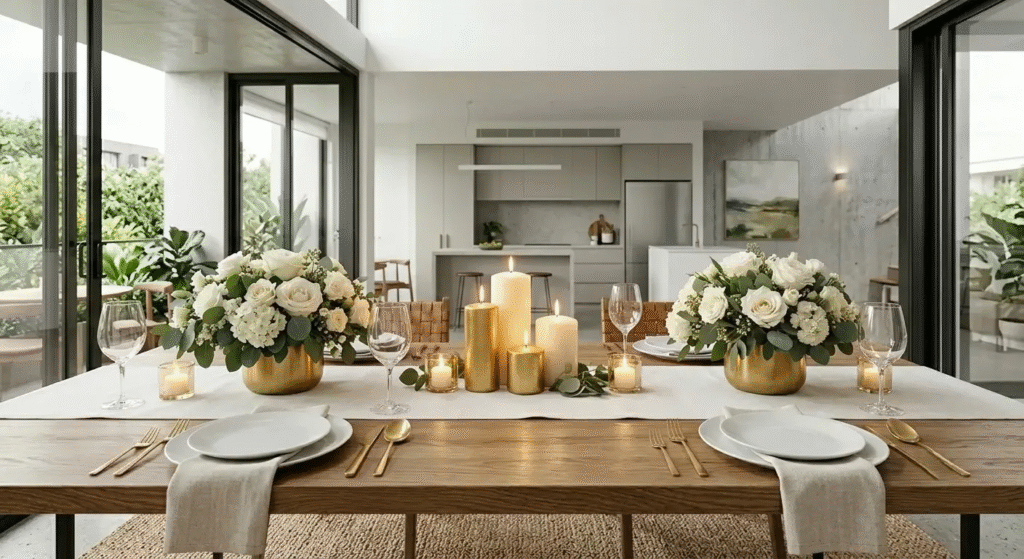
A festive dining table should look attractive while remaining comfortable for serving and eating. Decorations that occupy too much space can make a meal inconvenient, even if the arrangement looks beautiful.
Begin with a clean table and choose a runner or tablecloth that complements the room. Add coordinated napkins, serving dishes, and a compact centrepiece made from flowers or a decorative bowl.
For traditional celebrations, metallic accents and rich-coloured fabrics can create a festive appearance. For a simpler style, neutral linens and fresh flowers can provide a balanced look.
Keep open flames away from food, tablecloths, and serving areas. Avoid tall centrepieces that block conversation, and leave sufficient space for plates, glasses, and serving dishes.
10. Use Wall Decorations to Improve Empty Spaces in Home Decoration
Wall decoration can add character to a room without taking up valuable floor space. Options include framed artwork, decorative mirrors, fabric hangings, removable decals, and wall-mounted shelves.
Choose artwork and colours that complement the furniture and existing walls. Traditional Indian patterns may work well with festive fabrics and brass accessories, while minimalist prints can complement modern interiors.
Before hanging heavy items, check the wall type and use suitable fixings. For temporary decoration, removable hooks may be convenient, but always follow the product’s weight limits and surface instructions.
Avoid placing decorations where they interfere with doors, switches, ventilation, or essential household equipment.
11. Create a Festive Photo Corner for Family Gatherings
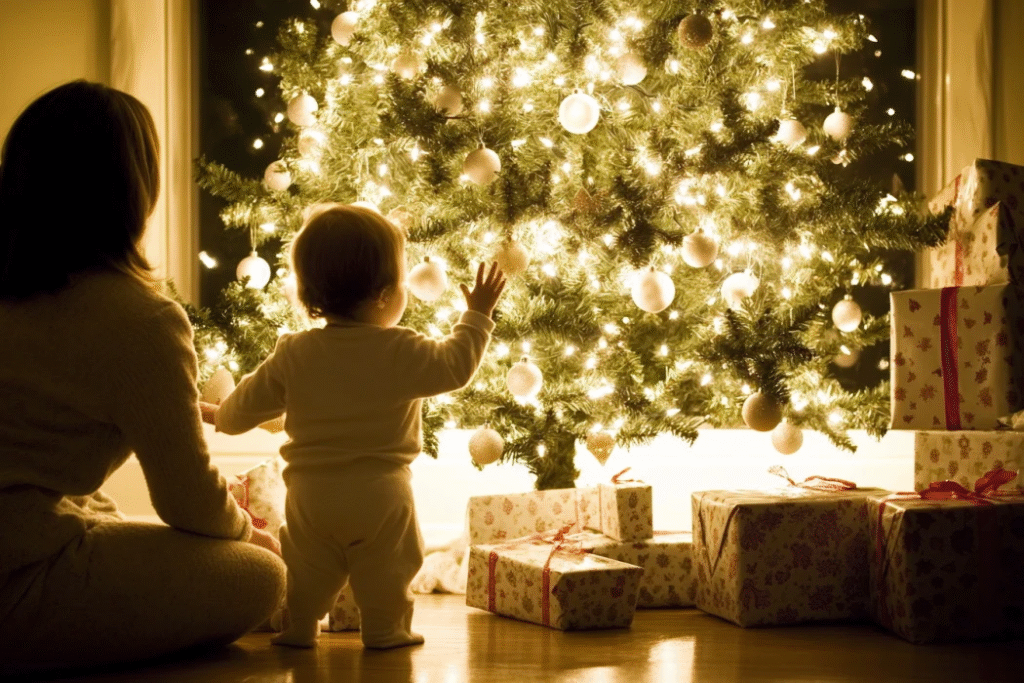
A dedicated photo corner can make birthdays, Diwali gatherings, anniversaries, and other celebrations more memorable. It does not need to occupy an entire room.
Choose a clean wall or a suitable corner with sufficient light. Add a fabric backdrop, a few coordinated decorations, and comfortable seating if space permits. You can use flowers, lanterns, framed prints, or reusable decorative panels to match the occasion.
Before setting up the area, consider where people will stand and how photographs will be taken. Leave enough space for movement, avoid unstable stands, and secure electrical cables away from walking paths.
Reusable backdrops are a practical investment if you regularly organise celebrations at home.
12. Try DIY Home Decoration Using Reusable Materials
Do-it-yourself decorations allow you to customise your home according to your preferred colours and style. They can also help you use leftover craft materials instead of buying entirely new decorations.
Some practical projects include fabric bunting, paper ornaments, handmade garlands, painted decorative trays, and reusable table arrangements. Choose projects according to your available time, tools, and crafting experience.
Paper and fabric decorations should be kept away from open flames and hot surfaces. If you use paints, adhesives, or other craft products, follow their instructions and allow sufficient drying time before displaying the finished items.
For decorations you plan to reuse, choose durable materials and store them in labelled containers after the celebration.
13. Use Indoor Plants for a Natural Home Decoration Effect
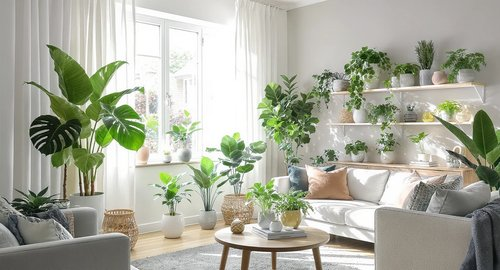
Indoor plants can complement festive decorations by adding greenery and visual balance. They work well near windows, beside furniture, and around entryways when their light and watering needs are met.
Choose plants according to the conditions in your home rather than selecting them only for appearance. Some varieties need bright indirect light, while others tolerate lower-light conditions. Avoid placing plants where they obstruct pathways or create a tripping hazard.
You can improve the display by using coordinated planters or grouping plants of different heights. Fresh flowers can then provide seasonal colour without requiring a complete change to your permanent decor.
If pets live in your home, check whether your chosen plants are safe for them before bringing them indoors.
14. Choose Home Decoration That Work for Multiple Occasions
Buying decorations for every individual celebration can become expensive and create storage problems.Home Decoration A more practical approach is to build a collection of versatile items that can be restyled for different occasions.
Consider investing in reusable lanterns, neutral table runners, decorative trays, durable vases, fabric backdrops, and good-quality artificial garlands. You can change their appearance with seasonal flowers, cushion covers, ribbons, or other inexpensive accessories.
For example, a brass-toned tray can be used for a Diwali display, a wedding arrangement, or a festive dining table. Home Decoration Neutral string lights may also work for birthdays, family gatherings, and winter celebrations.
When comparing products, consider durability, storage requirements, ease of cleaning, and whether the item is likely to suit your home for several years.
15. Follow a Home Decoration Budget and Preparation Checklist
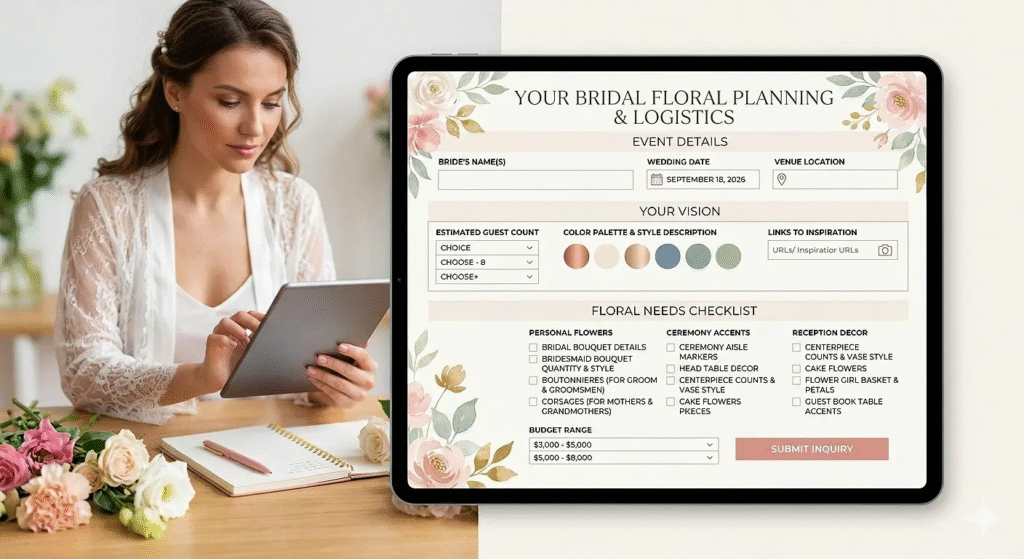
A budget helps you prioritise essential items and avoid last-minute purchases.Home Decoration Start by deciding how much you want to spend, then divide your budget among lighting, flowers, reusable decorations, and any materials needed for a specific occasion.
Before buying anything, inspect your existing supplies and make a list of missing items. Compare product dimensions, material quality, power requirements, and care instructions instead of choosing based on appearance alone.
A simple preparation plan can also reduce stress:
One week before: Select your theme, inspect stored decorations, check electrical lights, and purchase necessary reusable items.
Two or three days before: Clean the main decorative areas, prepare reusable displays, and arrange furniture.
One day before: Add fresh flowers, arrange cushions and table settings, and test the lighting.
On the day: Create the rangoli, arrange fresh decorations, and check that walkways and exits remain clear.
This approach makes preparation more manageable and leaves you more time to enjoy the celebration.
Budget-Friendly Festive Decoration Tips
Beautiful festive decoration does not require a large budget. The key is to use resources carefully and focus on the parts of your home that guests are most likely to notice.
- Reuse before buying: Check stored decorations and repair usable items before replacing them.
- Choose a limited colour palette: Two or three complementary colours can make different decorations look coordinated.
- Prioritise visible spaces: Focus on the entrance, living room, dining area, and pooja corner.
- Use flowers selectively: Reserve fresh flowers for important displays and use reusable materials elsewhere.
- Choose multipurpose products: Select decorations that can be adapted for several festivals and family occasions.
- Avoid unnecessary purchases: Compare the cost and usefulness of an item before adding it to your shopping list.
Common Mistakes to Avoid During Festive Decoration
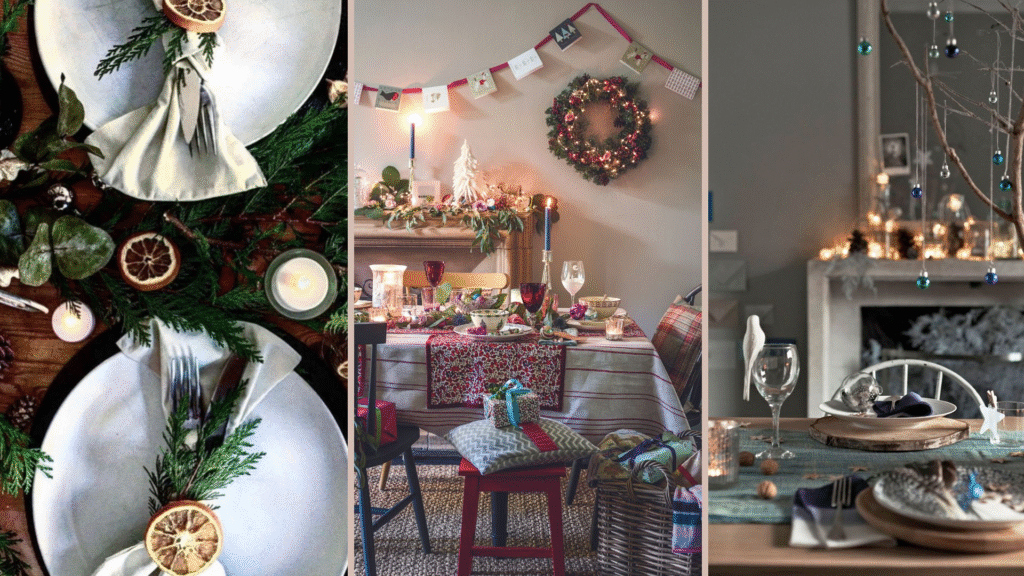
A successful decoration plan considers comfort, maintenance, and safety as well as appearance.
Overcrowding rooms: Too many decorative objects can make a room difficult to use. Keep surfaces and walkways clear.
Ignoring electrical safety: Damaged wires, unsuitable outdoor lights, and overloaded sockets can create hazards. Inspect equipment and follow manufacturer instructions.
Using open flames near decorations: Keep diyas and candles away from dry flowers, curtains, paper, and fabric.
Choosing unsuitable materials: Some materials fade in sunlight, deteriorate in moisture, or require more maintenance than expected. Consider the location before buying.
Leaving preparation until the last minute: Rushing can lead to unnecessary spending and poorly arranged decorations. Plan purchases and cleaning in advance.