

Winter can be a challenging season for your skin. Cold air, low humidity, chilly winds, and indoor heating can leave your face feeling dry, tight, rough, or more sensitive than usual. Even if your regular skincare routine works well during warmer months, you may notice that your skin needs a little extra care when temperatures drop.
The key to healthy winter skin is not using the largest number of skincare products. It is choosing the right combination of gentle cleansing, effective moisturization, sun protection, and ingredients that support your skin barrier.
Whether you have dry, oily, combination, or sensitive skin, a well-planned winter skincare routine can help maintain hydration and keep your skin comfortable throughout the season.
In this guide, you will learn how to build a simple morning and evening routine, which ingredients to look for, how to adjust your products for your skin type, and which common winter skincare mistakes to avoid
Why Does Your Skin Need Extra Care in Winter?
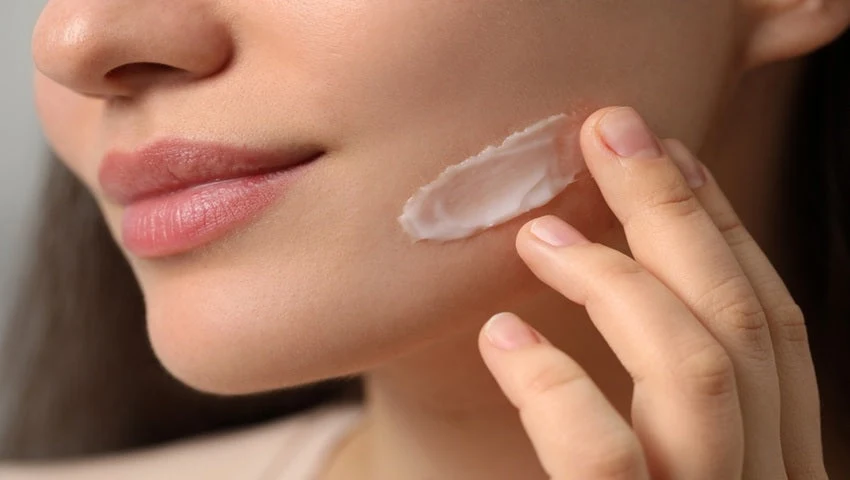
During winter, cold outdoor air and indoor heating can contribute to moisture loss from the skin. Low humidity may make the skin feel rough, flaky, or tight. Hot showers and harsh cleansers can make the problem worse by removing some of the skin’s natural oils.
Your skin barrier plays an important role in retaining moisture and protecting the skin from external irritants. When this barrier becomes irritated or compromised, you may experience dryness, redness, itching, or increased sensitivity.
A winter skincare routine should focus on three priorities:
- Hydration: Help the skin attract and retain moisture.
- Moisturization: Reduce water loss and keep the skin feeling soft.
- Protection: Use gentle products and daily sunscreen to protect the skin from avoidable irritation and sun exposure.
You do not necessarily need to replace your entire skincare collection. Small adjustments, such as switching to a gentler cleanser or a richer moisturizer, may be enough.
The Strip-It-Back Winter Routine
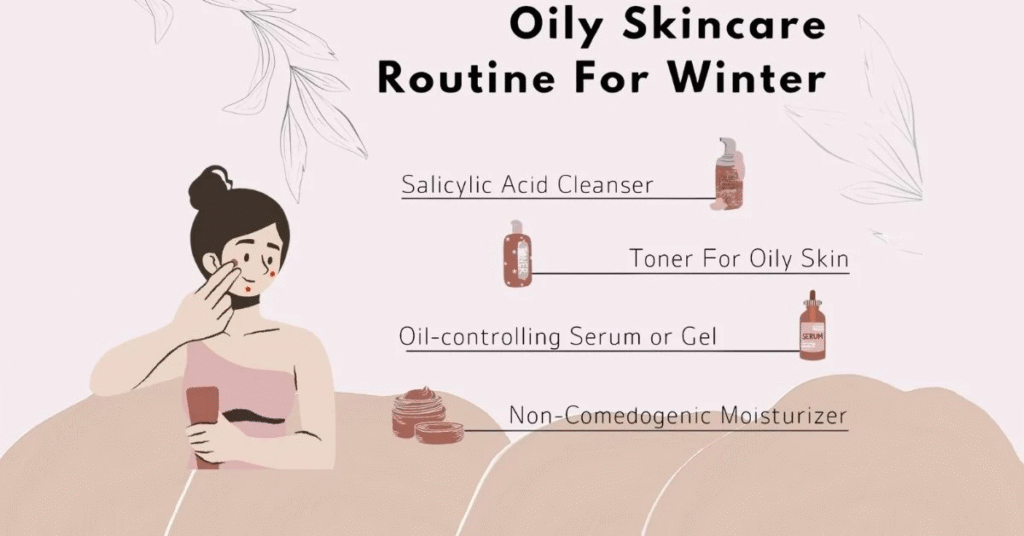
If your current routine is making your face sting when you apply basic moisturizer, throw out the complicated steps and stick to this core formula.
Morning: Protect & Seal
- Ditch the Heavy Morning Cleanser: Unless you wake up genuinely greasy, stop washing your face with active cleansers in the morning. A splash of lukewarm water is more than enough. You want to preserve the natural oils your skin produced overnight.
- Apply Hydration to DAMP Skin: If you use a hydrating serum (like Hyaluronic Acid or Glycerin), never apply it to a bone-dry face. Hyaluronic acid acts like a sponge—if there is no moisture on your skin, it will draw water out of your deeper skin layers instead. Splash your face with water, leave it dripping slightly, and pat the serum on top.
- Switch to a Cream, Not a Lotion: Summer is for lightweight gel lotions; winter is for rich creams. Look for ingredients like Ceramides (which patch up the cracks in your skin barrier), Squalane, or Glycerin.
- Yes, You Still Need Sunscreen: Snow reflects up to 80% of UV rays, and UVA rays (the ones that age your skin and break down collagen) pass right through winter clouds and glass. Find a hydrating SPF 30+ that doesn’t feel like chalk.
Night: Repair & Lock In
- Gentle Cleansing: Use a soft, non-foaming cleansing balm or lotion to melt away sunscreen and daily dirt. Skip hot water—scalding hot showers feel incredible in January, but they melt away your skin’s protective lipids instantly. Keep it lukewarm.
- Scale Back the “Actives”: Retinoids, AHA/BHA exfoliants, and strong vitamin C serums are great, but they are brutal on compromised winter skin. If your skin feels raw or tight, cut these back to once or twice a week, or pause them entirely until your barrier heals.
- Thick Night Cream: Use a heavy-duty moisturizer at night. If you have extra-dry patches (around your nose, mouth, or cheekbones), you can apply a tiny layer of an occlusive like Petrolatum (Vaseline/Aquaphor) or Cerave Healing Ointment over your cream right before bed. This acts as a physical shield while you sleep.
Quick Guide: Ingredients That Actually Work
Instead of getting lost in marketing claims, flip the bottle over and look for these three categories of ingredients:
- The Water Attractors (Humectants):Glycerin, Hyaluronic Acid, Panthenol. They grab moisture from the air and hold it in your skin.
- The Barrier Repairs (Emollients):Ceramides, Squalane, Shea Butter. They fill in the gaps between damaged skin cells so your skin feels smooth instead of rough.
- The Shields (Occlusives):Petrolatum, Dimethicone, Beeswax. They create a physical seal over your skin to stop water from escaping.
4 Dumb Winter Skincare Mistakes We All Make
- Scrubbing Off Flaky Skin: Seeing dry flakes and reaching for a harsh face scrub is tempting. Don’t do it. You are scrubbing away raw, vulnerable skin cells that aren’t ready to shed yet, which leads to micro-tears and stinging. Chemically hydrate those patches instead.
- Licking Chapped Lips: Saliva contains digestive enzymes that break down the delicate skin on your lips. The temporary relief of licking them actually accelerates chapping. Keep a thick, petrolatum-based lip balm on you at all times.
- Cracking the Heat to 75°F: Indoor heaters destroy indoor humidity. If you wake up with a dry throat and tight skin, buy a cheap cold-mist humidifier for your bedroom. It makes a bigger difference overnight than a $70 face cream.
- Ignoring Your Hands: You wash your hands with harsh hand soap ten times a day, walk out into the cold, and wonder why your knuckles are bleeding. Keep a tube of heavy hand cream right next to your sink and put it on immediately after drying your hands.
When It’s Not Just “Dry Skin”
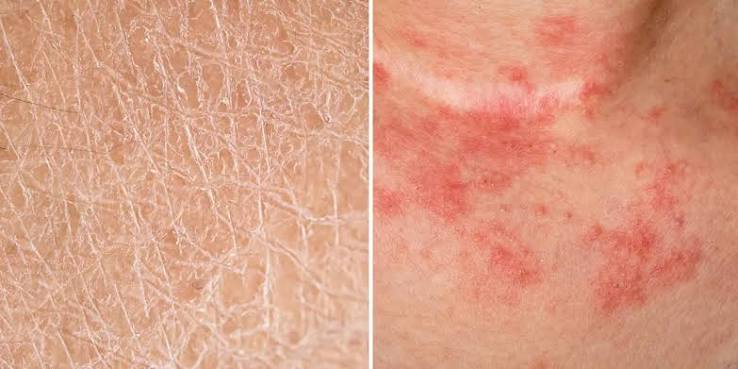
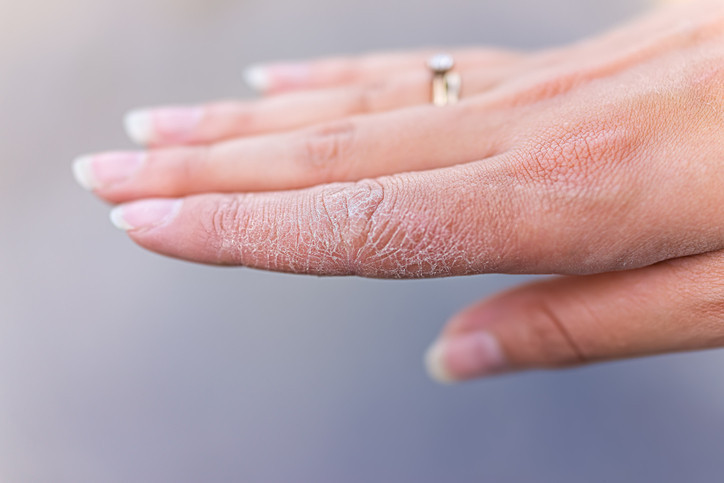
If your skin is cracking to the point of bleeding, itching uncontrollably, or breaking out in burning red patches that don’t respond to gentle moisturizing after a week, stop trying to fix it with over-the-counter products. Conditions like eczema, seborrheic dermatitis, and rosacea flare up aggressively in the winter and usually require targeted prescription treatments from a dermatologist.
Frequently Asked Questions
1. What is the best winter skincare routine?
A simple winter routine includes gentle cleansing, moisturizing, and broad-spectrum sunscreen in the morning. At night, remove makeup and sunscreen, cleanse gently, and apply a suitable moisturizer. Add serums or treatments only if needed.
2. Which moisturizer is best for winter?
A cream containing ingredients such as ceramides, glycerin, or petrolatum may help dry skin retain moisture. People with oily or acne-prone skin may prefer a lighter, non-comedogenic formula.
3. Should I use sunscreen during winter?
Yes. Use a broad-spectrum sunscreen with SPF 30 or higher on exposed skin. UV rays can affect the skin even on cloudy days, and snow can reflect UV radiation.
4. How can I prevent dry skin during winter?
Use lukewarm water, avoid harsh cleansers, apply moisturizer regularly, and protect your skin from cold winds. A humidifier may also help if indoor air is dry.
5. Can oily skin become dry in winter?
Yes. Oily skin can still experience moisture loss and irritation during cold weather. A gentle cleanser and suitable moisturizer can help maintain a comfortable balance.