
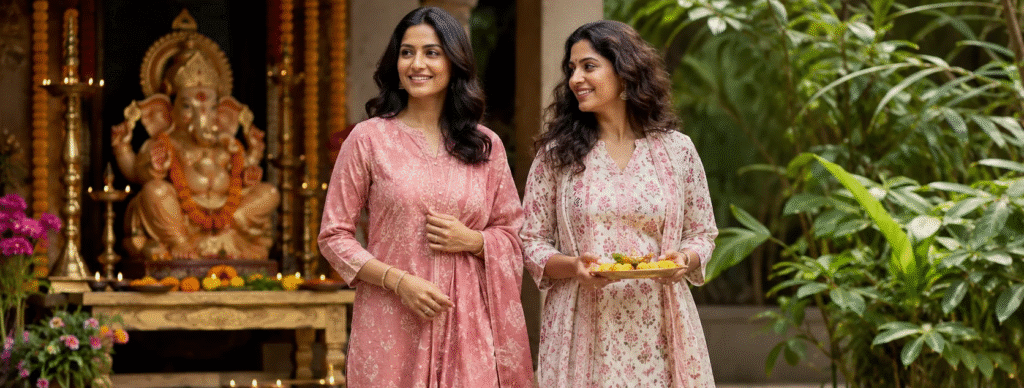
Celebrating Ganesh Chaturthi is all about warmth, devotion, and that incredible community spirit. Traditional Outfit While the food and festivities take center stage, choosing what to wear adds a whole extra layer of joy to the celebration.
Traditional Outfit you want an outfit that feels effortless, festive, and comfortable enough to wear all day, here is how you can pull off a memorable look without overcomplicating things.
The Classic Saree, Done Comfortably Traditional Outfit
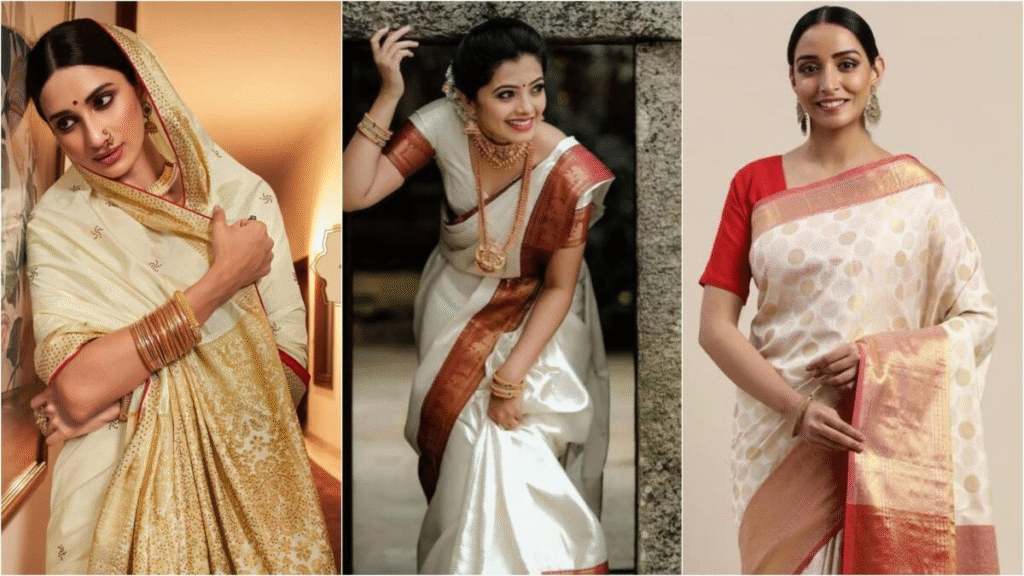
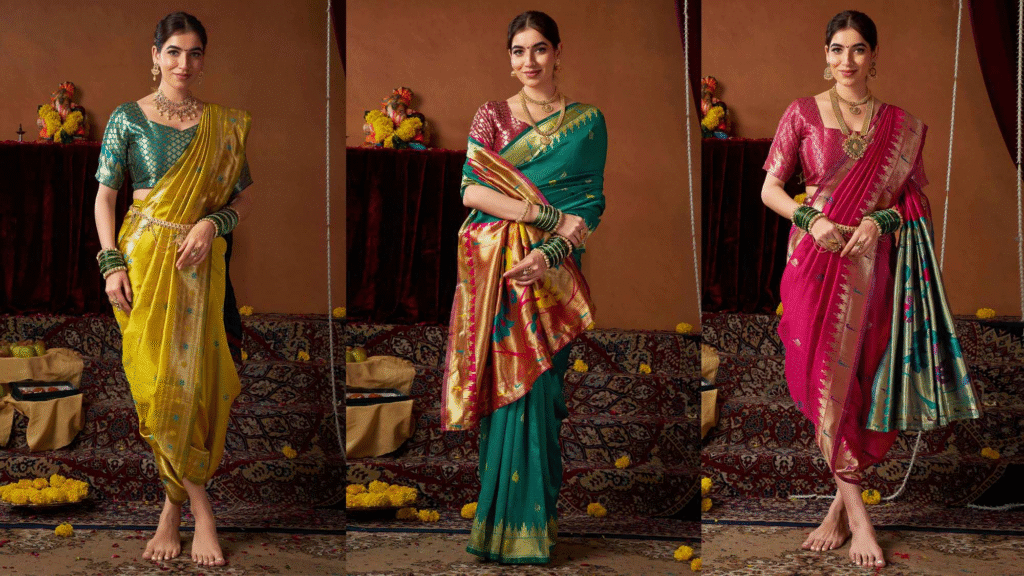
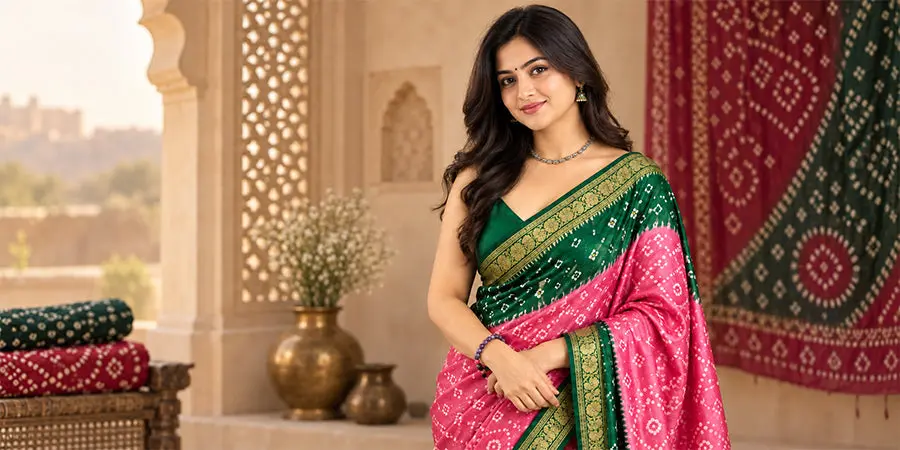
Nothing captures the essence of a festival quite like a saree.Traditional Outfit If you’re hosting or running around helping with decorations, heavy silk might feel restrictive—opt for lightweight Chanderi, linen, or soft silk blends instead.
- Color palette: Bright turmeric yellow, vermillion red, forest green, or rani pink.
- Styling tip: You don’t need heavy jewelry. A pair of detailed jhumkas, a thin gold chain, a small bindi, and a stack of glass bangles are all it takes to complete the look.
Low-Maintenance Kurta Sets Traditional Outfit
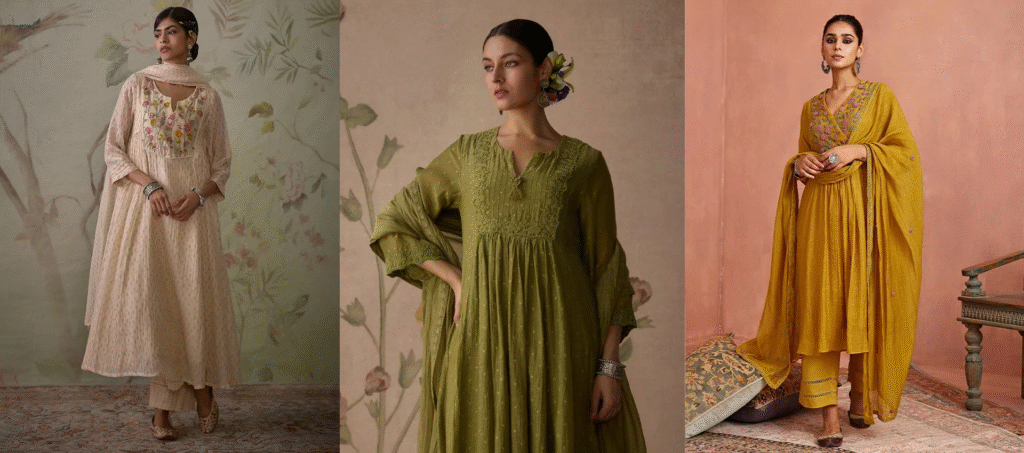
If draping five yards of fabric isn’t in the cards, a straight-cut kurta paired with wide-leg palazzos or tailored pants is your best friend.
- Fabric pick: Breathable cotton or chanderi for morning rituals; subtle raw silk for the evening.
- The trick: Let your dupatta do the heavy lifting. A plain white or cream kurta instantly transforms when paired with a rich Phulkari, Bandhani, or Banarasi silk dupatta.
Flowing Anarkalis for Effortless Movement Traditional Outfit
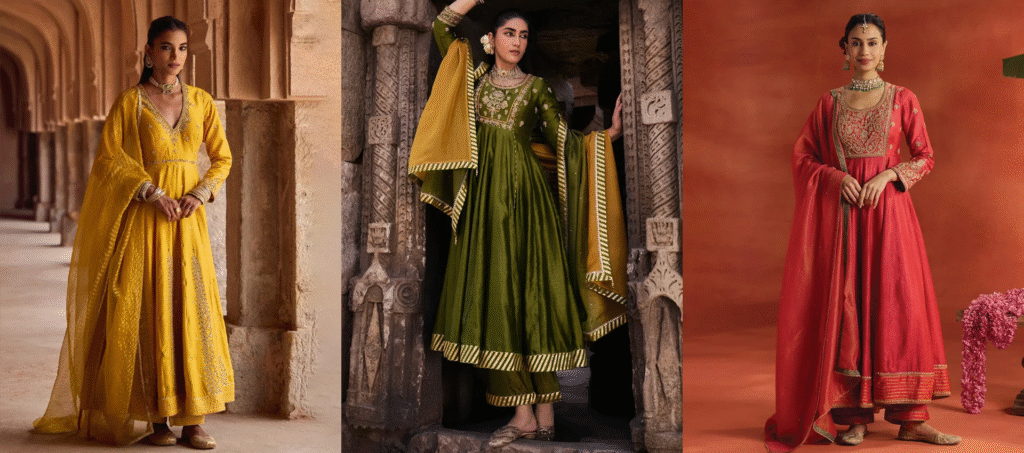
Traditional Outfit Anarkalis bring an instant touch of grace and require very little extra styling.
- The silhouette: Choose a flared, calf-length design so you aren’t tripping over the hem while walking around pandals.
- Color combinations that pop: Mustard with bottle green, peach with ruby red, or sky blue with antique silver accent work.
Lightweight Lehengas with a Modern Spin Traditional Outfit
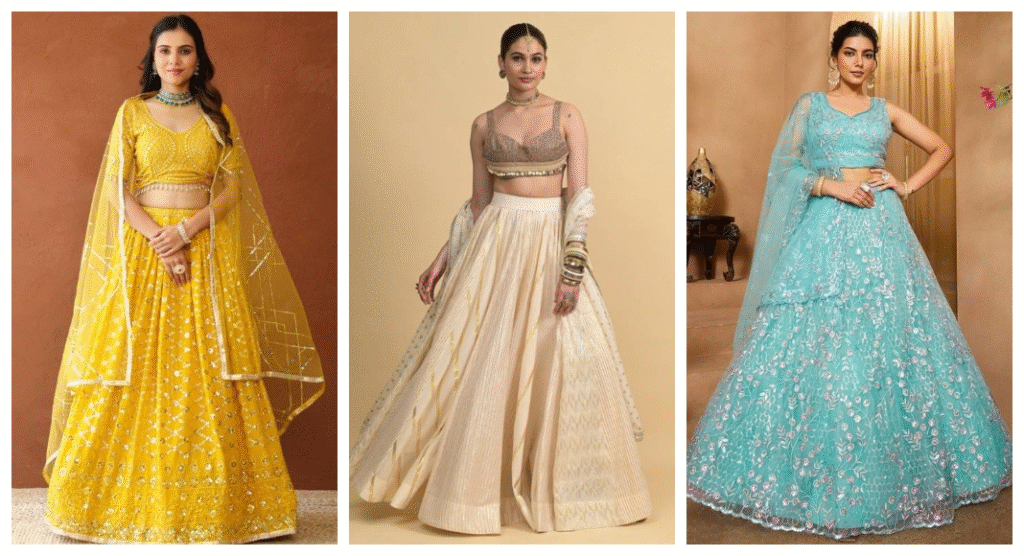
Skip the heavy, wedding-style lehengas and look for breezy options.
- Modern touches: Pair a printed cotton or floral skirt with a solid crop-top-style blouse. Throwing a lightweight netted or organza dupatta over one shoulder keeps it traditional while staying comfortable.
Breathable Cotton Handlooms for Home Pujas Traditional Outfit
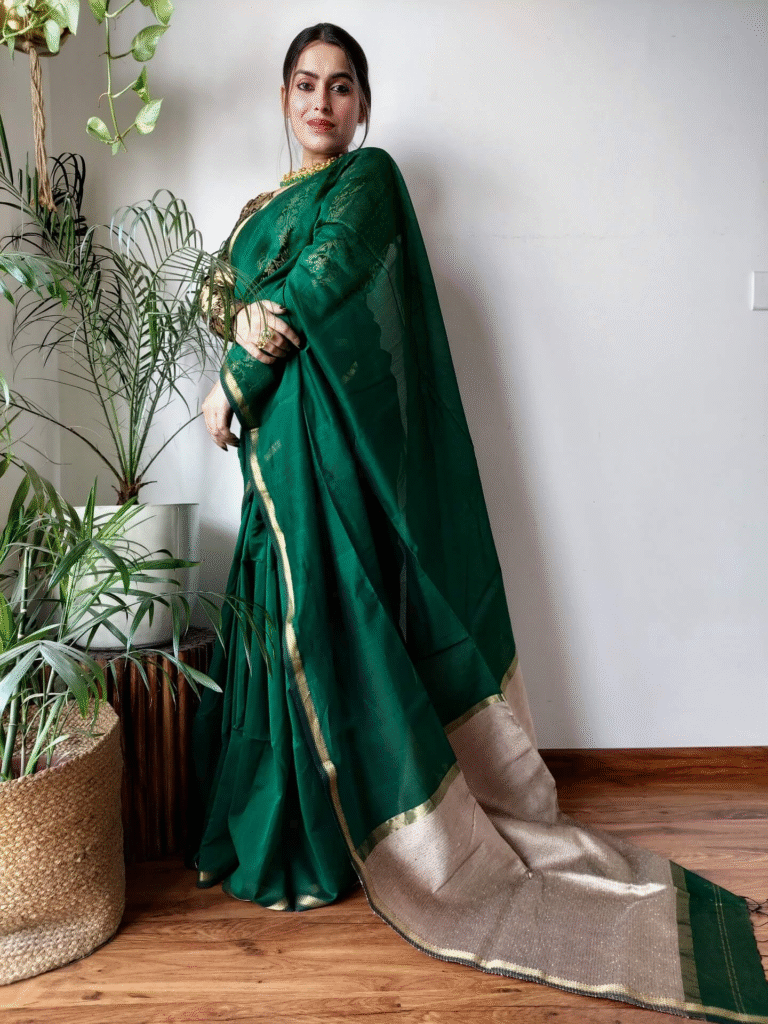
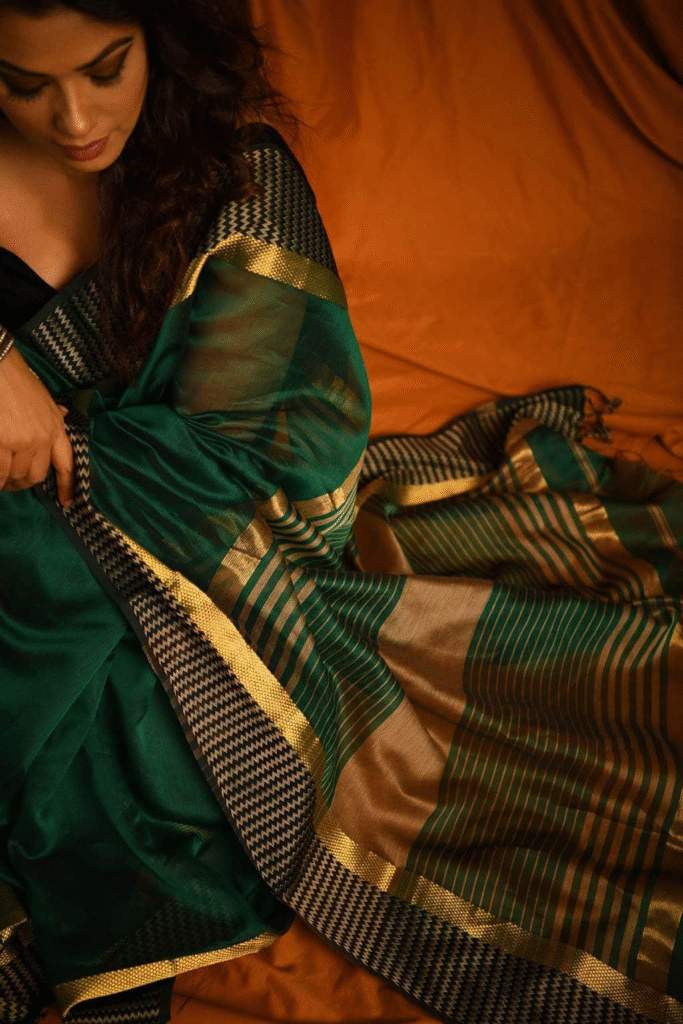
Traditional Outfit If your day involves cooking, arranging flowers, and greeting guests at home, prioritize comfort above all else.
- The look: A soft handloom or Mulmul cotton saree paired with a contrasting, elbow-length blouse.
- Vibe: Understated, cool, and incredibly elegant.
Smart Options for Men
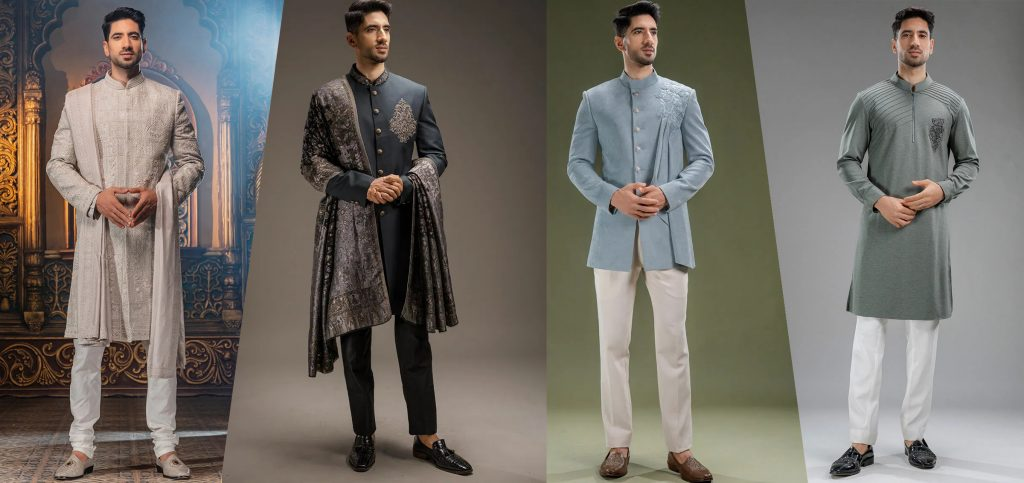
The Trusty Kurta-Pajama Pair Traditional Outfit
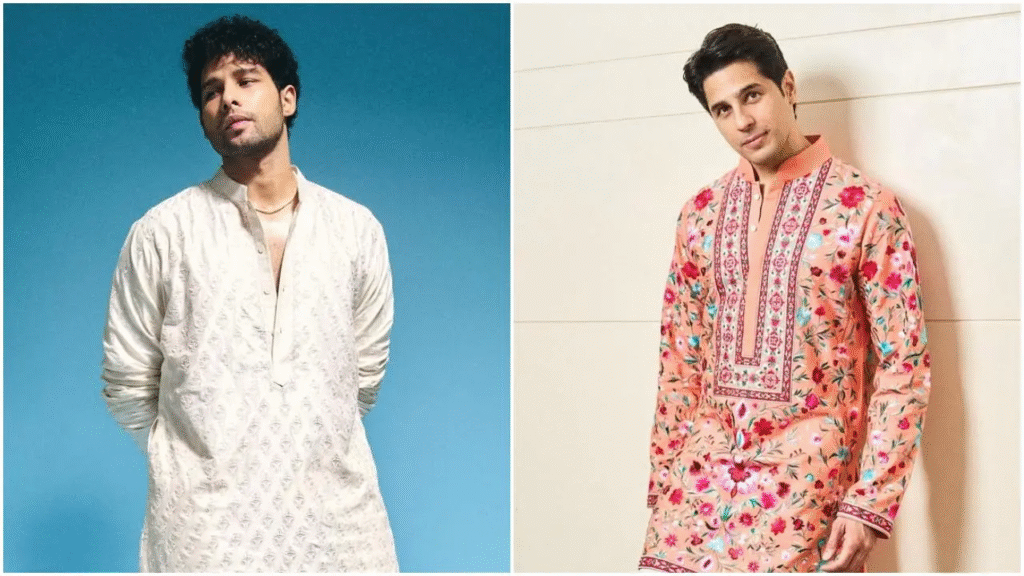
You can’t go Traditional Outfit wrong with a classic.
- Daytime: Stick to breathable cotton or linen kurtas in ivory, pastel yellow, or soft olive.
- Evening: Switch to textured silk or jacquard kurtas in deeper tones like royal blue, maroon, or dark green paired with simple leather sandals.
Elevate a Simple Outfit with a Nehru Jacket
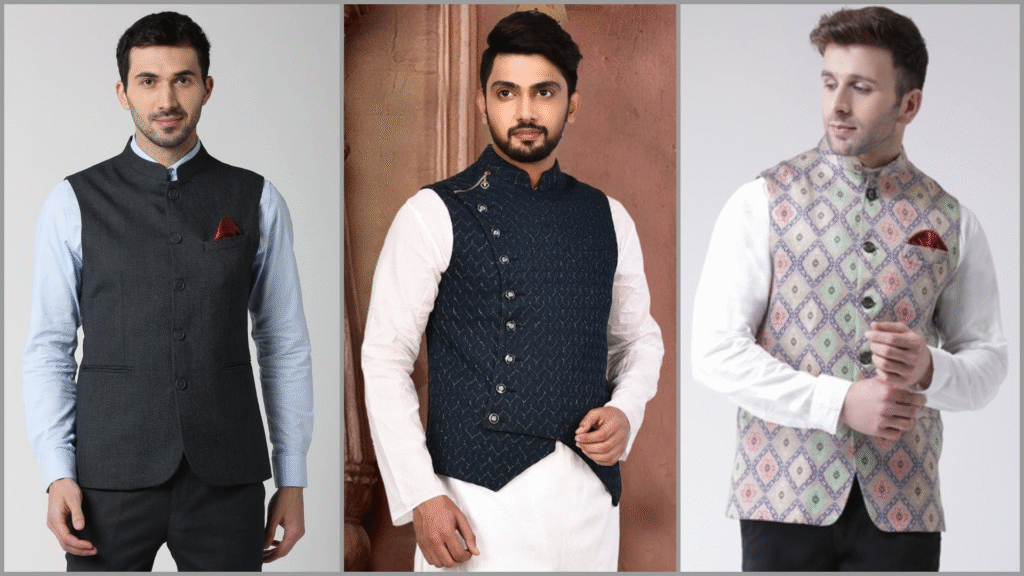
If you’re running short on time, take a basic solid kurta and layer it with a Nehru jacket.
- Style tip: Contrast is key. A plain white kurta-pajama under a printed floral, silk, or embroidered waistcoat instantly elevates your outfit from casual to festive.
Modern & Regional Variations
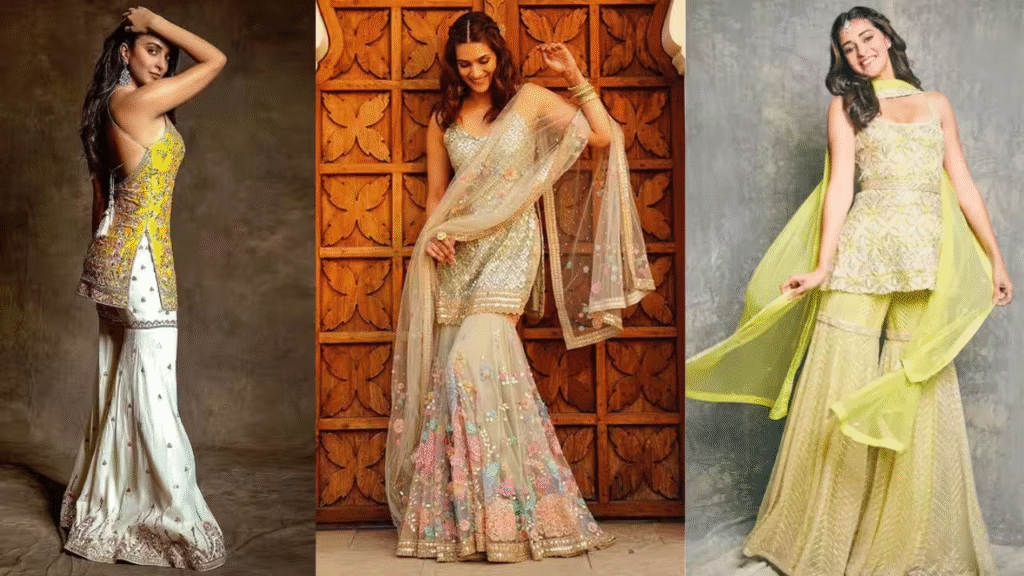
Playful Harass
Sharara sets hit the perfect sweet spot between a suit and a lehenga. A short kurta paired with a flared sharara bottom feels playful, looks great in photos, and allows for total freedom of movement.
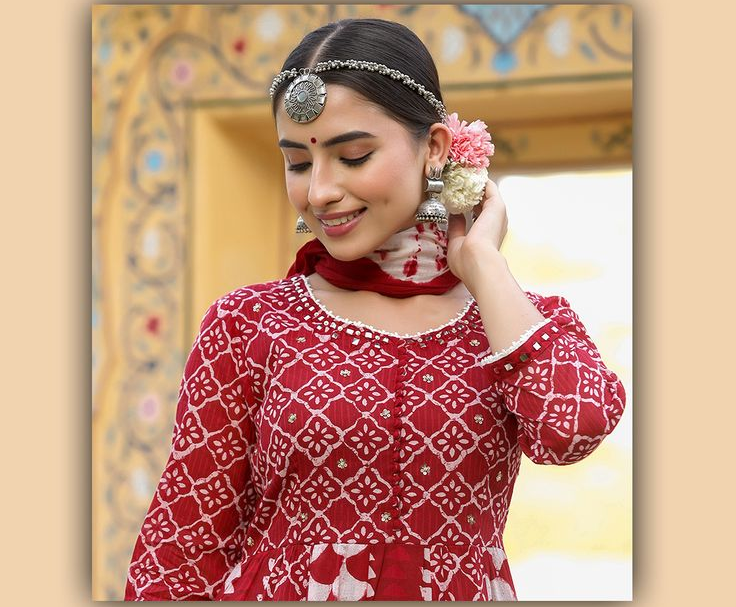
Festive Bandhani & Block Prints
Embellishment isn’t the only way to look festive—texture and pattern speak just as loud. Traditional Outfit Outfits featuring Bandhani, Leheriya, or traditional Ajrakh block prints bring rich heritage to your look without adding weight or stiffness.
Touches of Maharashtrian Traditional Outfit
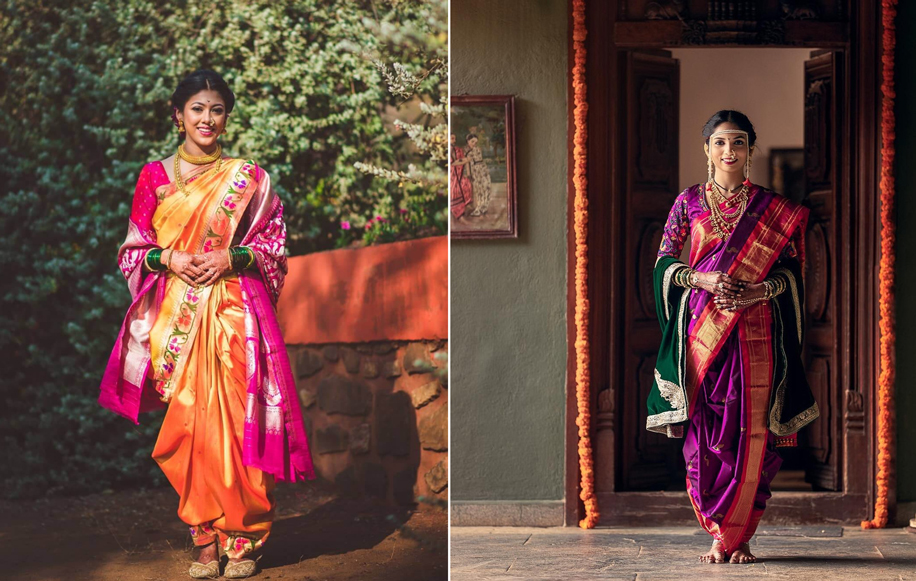
Since Ganesh Chaturthi is deeply rooted in Maharashtrian heritage, weaving in cultural elements adds a beautiful, thoughtful touch.
- For women: A Paithani saree (or even a Paithani-print dupatta), paired with a traditional crescent-shaped nath (nose ring) and a green glass bangle stack.
- For men: A classic kurta accessorized with a folded pheta (traditional turban) or a silk stole over the shoulder.
Indo-Western Fusion
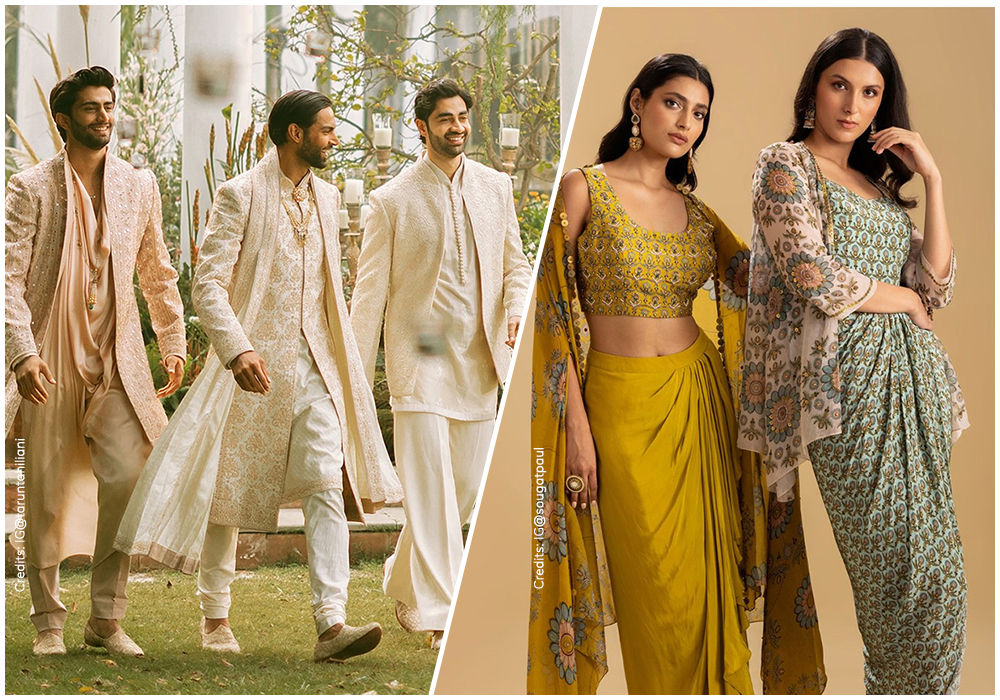
If Traditional Outfit ethnic wear isn’t your usual style, mix and match pieces from your existing wardrobe:
- Wear a long, embroidered jacket over a plain maxi dress.
- Pair an ornate traditional blouse with a high-waisted pleated skirt.
- For men: Combine a sleek short kurta with well-fitted tailored trousers or chinos.
The Finishing Touches Traditional Outfit
| Element | Quick Styling Advice |
| Footwear | Choose easy-to-remove shoes like juttis, kolhapuris, or slip-on mules—you’ll be taking them off frequently at home and at pandals. |
| Hairstyles | A low bun pinned with fresh jasmine flowers (gajra) for sarees; loose waves or a soft side braid for kurtas. |
| Accessories | Pick one focus piece (either statement earrings or a bold necklace, rarely both). Don’t forget a potli bag for carrying essentials hands-free. |
The Real Secret to Festive Traditional Dressing
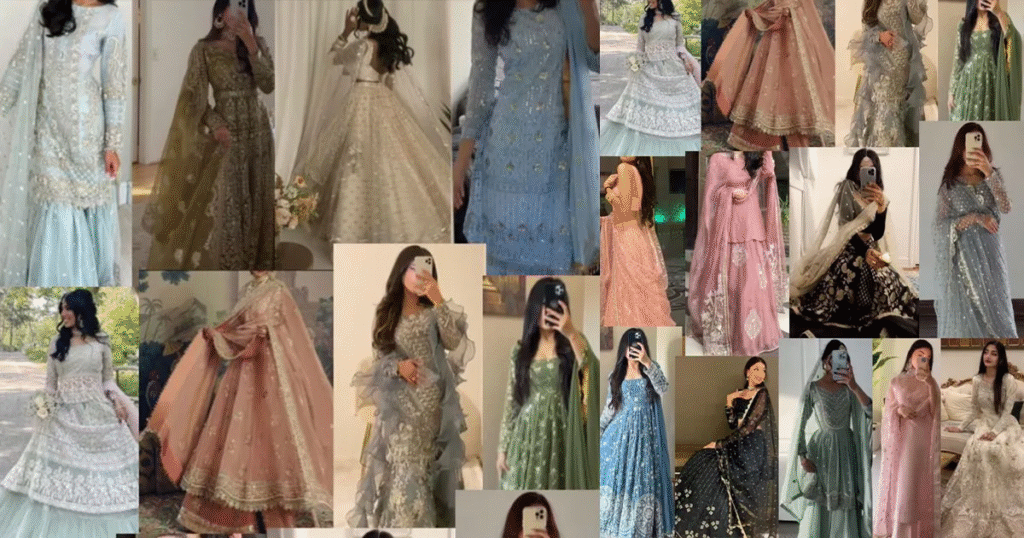
At the end of the day, festive fashion shouldn’t feel like a costume. The best Traditional Outfit is the one that lets you bow down during the aarti, eat extra modaks without feeling constrained, and spend hours laughing with family without needing to constantly adjust your clothes. Pick fabrics that breathe, colors that make you feel cheerful, and wear your joy front and center.
Frequently Asked Questions
1. What fabrics work best for daytime pujas?
Cotton, Chanderi, linen, and lightweight silk blends keep you cool during rituals and preparations.
2. How can I quickly dress up a plain outfit?
Layer a basic kurta with a bright Bandhani/Banarasi dupatta for women, or an embroidered Nehru jacket for men.
3. What is the most practical festive footwear?
Flat slip-ons like juttis, kolhapuris, or leather sandals are easy to kick off during home pujas and pandal visits.
4. Which colors are most popular for the festival?
Bright shades like yellow, orange, red, forest green, and rani pink are traditional favorites.
5. When is Ganesh Chaturthi 2026?
The festival begins on September 14, 2026, and concludes with Anant Chaturdashi on September 25, 2026.