
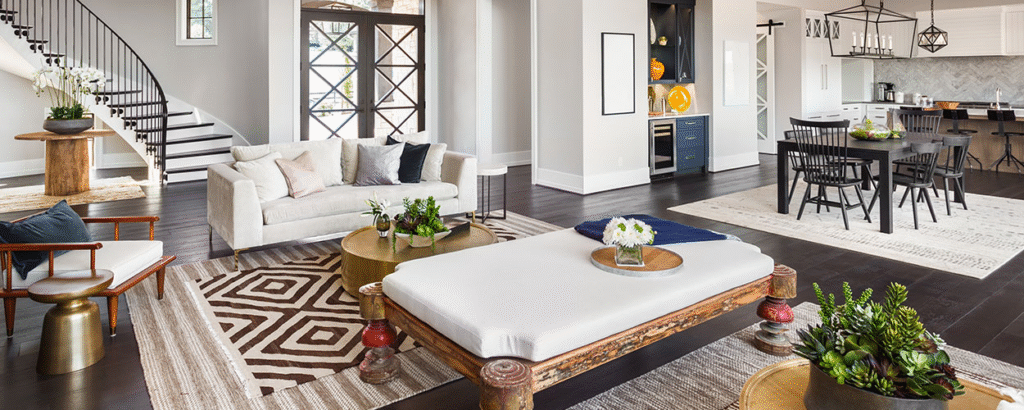
Let’s be entirely honest about what happens when we scroll through interior design feeds or flip through high-end home magazines. We are being sold a beautiful, immaculate lie. We see flawless living rooms with crisp white linen sofas, perfectly balanced coffee table books, and minimalist kitchens where not a single stray coffee mug or plastic container exists. It looks stunning. But the moment you imagine actually living in that space—drinking a glass of red wine, letting a dog curl up on the couch, or cooking a chaotic Tuesday night dinner—the whole fantasy falls apart.
A truly beautiful home is not a static museum installation or a staged set for a real estate listing. It doesn’t care about expensive furniture tags, hyper-coordinated showroom sets, or rigid design rules that make you feel like a guest in your own life.
A real home is a living, breathing sandbox. It is the backdrop to your messiest mornings, your quietest nights, and your everyday routines.
When a space looks jaw-droppingly gorgeous but completely fails to handle your actual habits, it stops being a sanctuary and starts acting like an ambient source of frustration. Conversely, if a room is built solely for utility—cold, sterile, and practical without a shred of texture or soul—it drains your energy.
The real magic happens right in the sweet spot where high functionality and effortless style meet. You don’t need a massive structural renovation, an architectural pedigree, or a bottomless bank account to get there. You just need to shift your focus toward thoughtful choices that respect both your eyes and your everyday reality.
1: Design for the Senses, Not Just the Camera
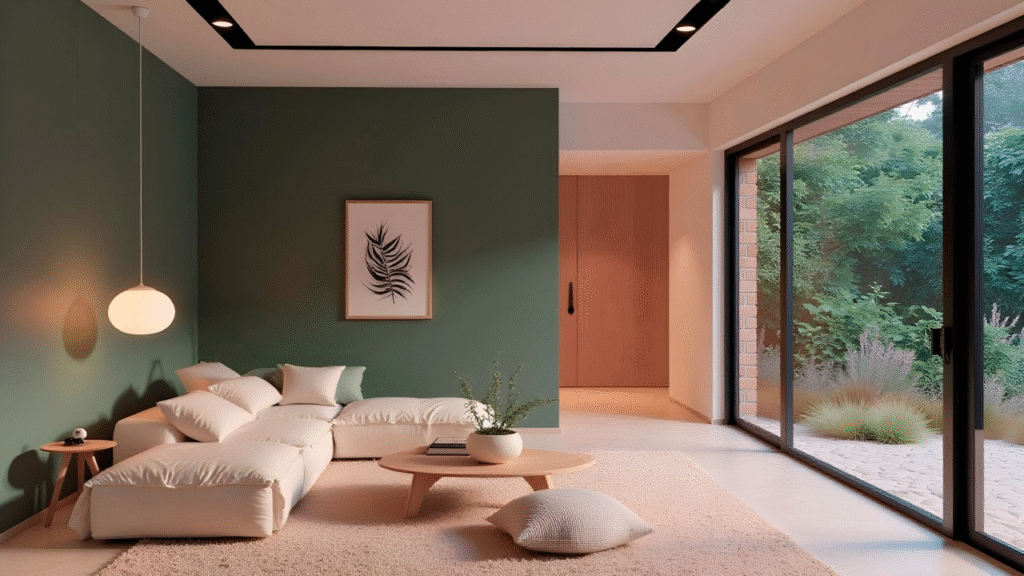
Before you buy a single sample pot of paint, measure a wall, or spend hours falling down a furniture delivery rabbit hole, you have to ask yourself one fundamental question: How do I actually want this room to feel when I cross the threshold?
We live in a culture that is deeply obsessed with visual aesthetic types, but our bodies experience architecture and interiors through emotion and sensory feedback.
- Do you want to walk through your front door and feel an immediate wave of calm, quiet stillness to offset a high-stress job?
- Do you want your living spaces to radiate warmth, community, and cozy approachability because your house is the neighborhood gathering hub?
- Are you looking for something bright, energetic, and compositionally lean to keep your mind sharp while working from a small apartment?
Defining the emotional blueprint of your home completely changes how you shop. It breaks the cycle of impulse buying. Instead of picking up a trendy, sculptural chair simply because it looked incredible under warehouse lighting, you evaluate it against your lifestyle: Is this item going to help anchor the calm, comfortable sanctuary I’m trying to build, or is it just taking up emotional real estate?
When your choices are driven by intent rather than trends, your home naturally feels cohesive, authentic, and completely balanced.
The Canvas of Harmony: Rethinking the Color Palette
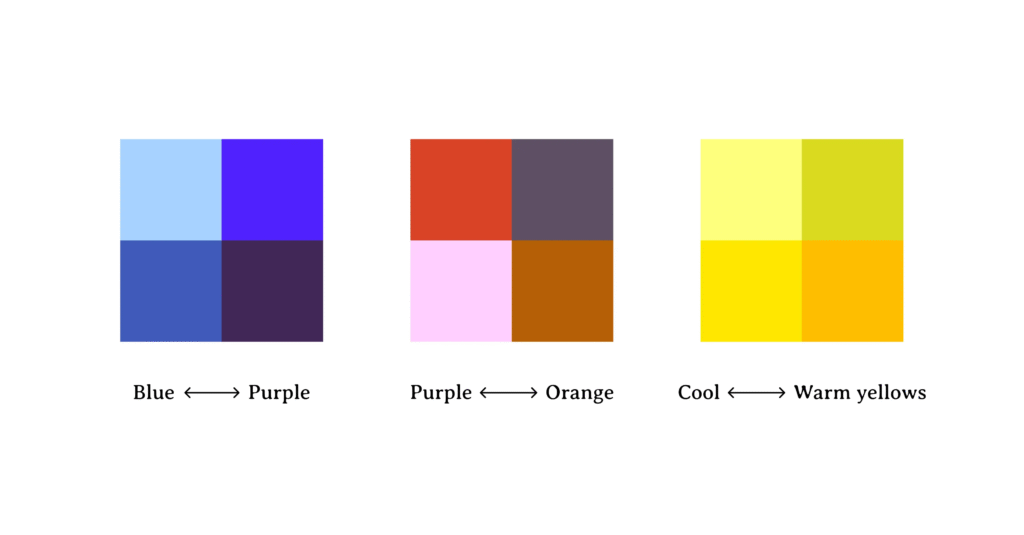
Color is the silent director of your home’s interior narrative. It has the immediate power to visually expand a cramped hallway, pull fragmented rooms together, and dictate the underlying energy of a space. But creating a beautiful color flow across your house doesn’t mean you are condemned to paint every single wall a flat, uninspired white.
The secret to a sophisticated, liveable home is establishing a solid, flexible neutral foundation and building depth outward.
By keeping your heavy, structural surfaces—like your main walls, large shelving units, and foundational sofas—in the family of soft creams, bone whites, warm taupes, or muted earth tones, you create a timeless backdrop. This background acts as a visual reset for your brain.
Once your foundation is anchored, you can introduce personal color expressions through low-risk, high-impact elements: a deeply saturated wool rug, textured linen throw pillows, curated wall art, or vintage ceramics. If your tastes change next winter, you don’t have to spend a week repainting your entire ceiling; you simply swap out a few textiles and rearrange your accessories to instantly shift the room’s energy.
Lighting as an Architectural Material

Natural light is the ultimate luxury in any interior space, completely free of charge. It adds a sense of life, movement, and spaciousness that no expensive chandelier can replicate. If you are blessed with windows, stop choking them out with heavy, dense drapes and dark blinds that block the horizon.
Instead, lean into sheer, lightweight linen fabrics that catch light and let daylight wash gently across your floors. Keep your window sills free of tall, cluttered items, allowing the sun to penetrate deep into the footprint of your rooms.
But what happens when the sun sets, or if you’re dealing with a apartment that gets limited daylight? That’s where the art of layered lighting comes in.
The Golden Rule of Lighting: Never rely on a single, aggressive overhead light fixture to illuminate a room. Central ceiling lights cast flat, harsh shadows downward, creating a clinical, anxious atmosphere.Instead, build a three-tiered lighting ecosystem in every major living space.
By spreading your light sources across different heights and intensities, you create visual depth and a sense of coziness. It allows the mood of your home to shift organically as day turns to night, transforming a functional afternoon workspace into a soft, intimate environment for winding down.
Choosing Furniture for Your Real Life, Not Your Fantasy Life
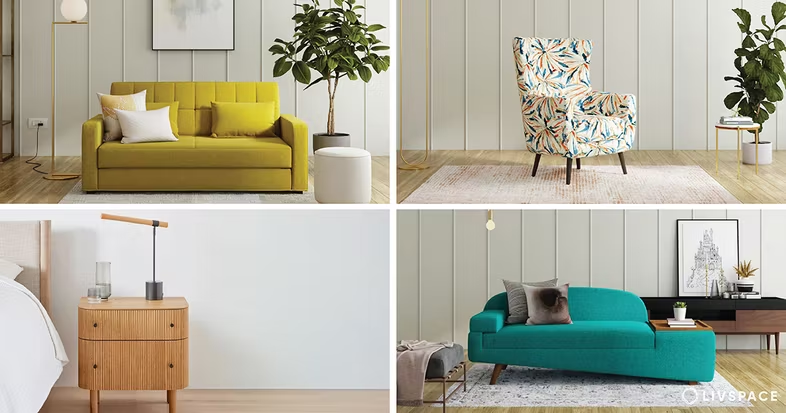
It is incredibly easy to fall head-over-heels for a piece of furniture in a pristine catalog. You see a low-slung, velvet couch with clean geometric lines and think, That is exactly who I want to be. But if you have toddlers, a shedding golden retriever, or a habit of eating pizza while watching movies, that sofa is not an investment—it is a countdown to heartbreak.
When you buy furniture, you must design for your actual habits, weaknesses, and daily routines.
- Scale and Clearance: A massive sectional might look incredibly cozy, but if it blocks the natural walking path through your living room or forces you to squeeze past the coffee table, it disrupts the flow of your home. Always prioritize physical comfort and breathing room over maximum seating capacity.
- Performance Materials: We live in a golden age of textile technology. You no longer have to sacrifice style for durability. Look for high-performance, stain-resistant woven fabrics, slipcovers that can be easily unzipped and thrown into a washing machine, or natural leathers that develop a beautiful patina over years of use.
- Multi-Functional Utility: Especially in smaller urban spaces, every piece of furniture should earn its keep by doing double duty. Look for beautiful wooden coffee tables with hidden storage drawers, entry benches that conceal shoes, or dining tables that can easily pivot into a comfortable work-from-home surface during the day.
The Art of Hidden Storage: Creating Visual Peace
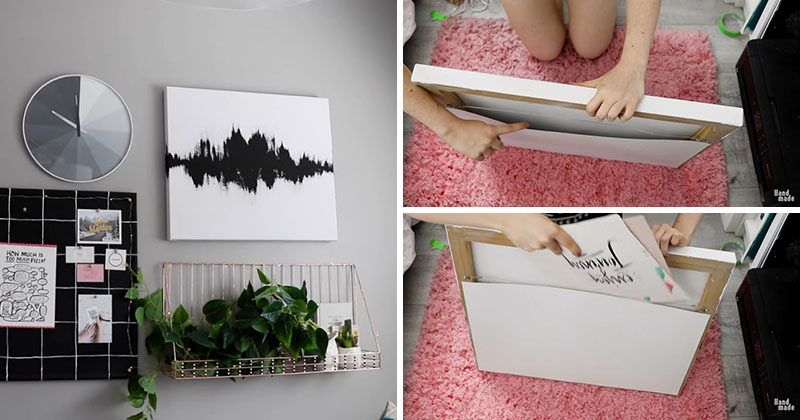
Clutter is the ultimate enemy of domestic peace. You could have the most beautifully curated color palette and a flawless collection of art, but if your kitchen counters are buried under junk mail, charging cables, and scattered vitamins, the room will always radiate a subtle undercurrent of stress.
Real-world organization isn’t about throwing everything you own away and embracing extreme minimalism. It’s about building a thoughtful system of hidden storage that keeps the daily chaos out of sight while ensuring your essential items stay within arm’s reach.
| Storage Element | Daily Purpose | Visual Benefit |
|---|---|---|
| Woven Baskets | Corral stray toys, extra blankets, and dog accessories | Adds organic texture while hiding irregular clutter |
| Sideboards & Credenzas | Conceals board games, seasonal dinnerware, and electronics | Keeps cords hidden and provides a clean top surface for styling |
| Clear Acrylic Insiders | Organizes the interior of drawers and medicine cabinets | Speeds up daily routines without creating exterior visual noise |
| Under-Bed Rolling Trays | Stores out-of-season wardrobe pieces and bedding | Maximize dead vertical space without cluttering the floor |
When you give the mundane items of daily life a dedicated, hidden home, your rooms instantly feel more grounded. You clear up visual clutter, allowing your eyes to rest on the pieces that actually bring you joy—like a beautiful vase of fresh branches, an architectural lamp, or a favorite family photo.
The Heart of the Home: Flow and Flexibility in the Kitchen
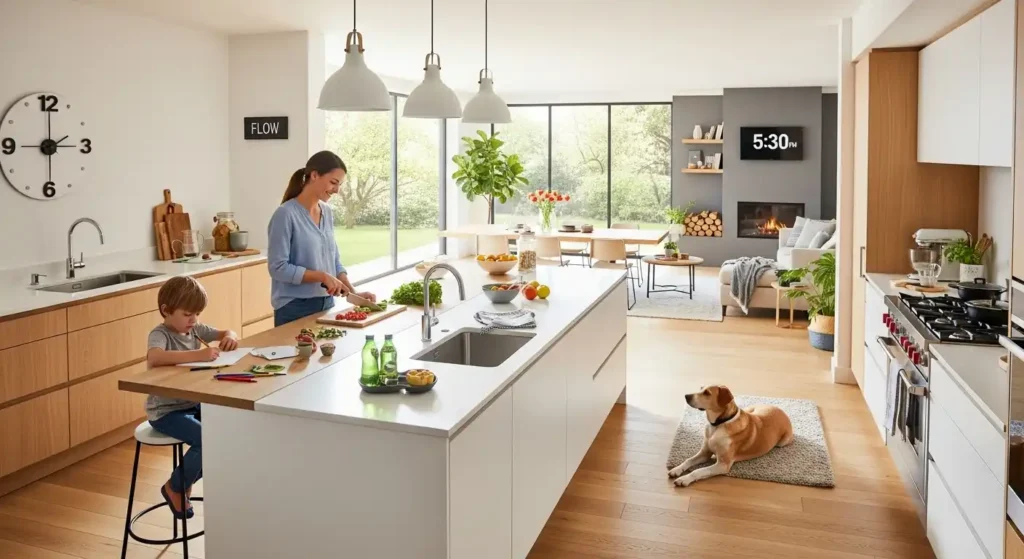
The kitchen is the ultimate test of a home’s functional design. It is the highest-traffic room in the entire house—the place where meals are prepped, quick morning coffees are gulped down, and guests inevitably end up gathering during parties. If your kitchen workflow is clunky, your entire household routine feels off.
An excellent kitchen layout is built entirely around fluidity, accessibility, and clean surfaces
Think carefully about the natural movement between your refrigerator, your sink, and your stove. Keep your frequently used countertops as clear as possible by storing heavy appliances like blenders and food processors inside deep lower cabinets or designated appliance garages.
If your kitchen needs a quick refresh but a full tear-out isn’t in the cards, focus on the details that have a massive impact on your daily life. Swap out cheap, frustrating cabinet hardware for solid brass or matte black pulls. Install bright, warm LED strip lighting under your cabinets to illuminate your cutting boards. Invest in a set of uniform ceramic storage jars to replace mismatched spice jars and cardboard boxes. These minor adjustments instantly elevate the room from a chaotic workspace into a warm, inviting culinary hub.
The Bedroom as an Uncompromising Sleep Sanctuary
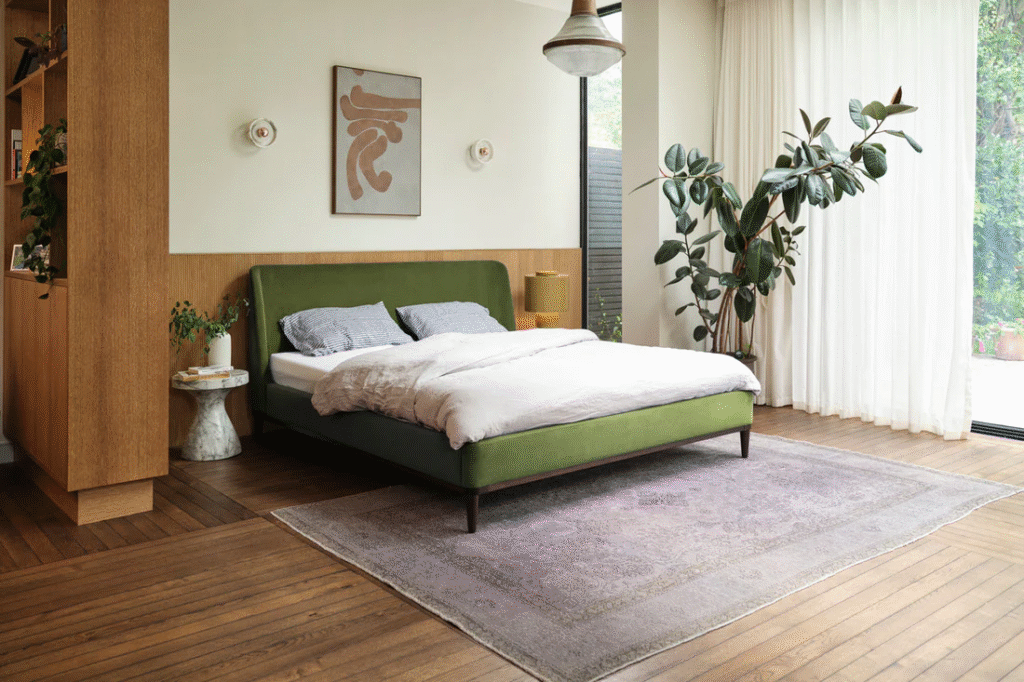
Your bedroom is the one space in the entire home that belongs completely to you. It is your ultimate recovery pod, and it should be treated with real boundaries. The single biggest design mistake people make in the bedroom is treating it like an overflow room—a place where the home office desk creeps in, laundry baskets pile up, and old exercise equipment goes to gather dust.
To turn your bedroom into a deeply restful retreat, you must focus on radical simplification and tactile comfort.
Keep your furniture layout light and intentional. Focus your budget on the things that directly interact with your physical well-being: an excellent mattress, high-quality breathable linen or cotton sheets, and proper pillows.
If you are sensitive to morning light, invest in high-quality blackout curtains that seamlessly match your wall color to create an elegant, unbroken line. Keep technology out of sight; swap out a glaring television screen for a simple bookshelf or a frame holding a piece of calming art. The moment you walk into your bedroom, your brain should receive an immediate signal that it is time to turn off, disconnect, and rest.
Tell Your Story: Choosing Décor with True Meaning
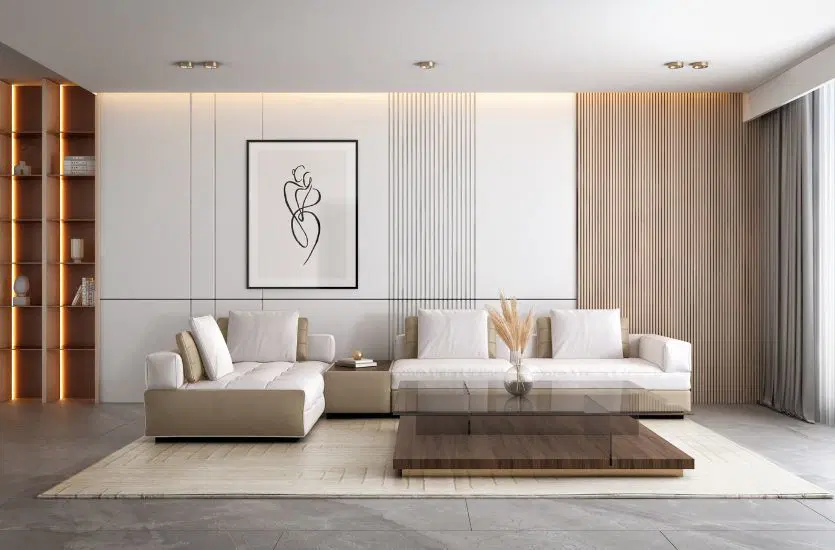
A house finally turns into a home when it begins to tell the story of the people who live inside its walls. There is nothing more uninspired than a living room that looks like someone walked into a big-box home goods store and bought the entire display window in one single transaction. Matching throw pillows, generic canvas prints, and factory-made ceramic knick-knacks feel sterile because they lack a personal history.
The most enchanting homes are filled with layers of memories, imperfections, and authentic pieces.
Decorate your shelves and walls with items that hold sentimental value. Hang up family photographs framed in simple, elegant gallery frames. Display the weird, beautiful ceramic bowl you found at a small flea market during a summer trip. Dedicate a shelf to the books that you actually read and love, rather than color-coding encyclopedias just for a visual effect.
When your decor is rooted in your real life, it gives your home an organic sense of character and warmth that cannot be manufactured by a professional stylist.
The Long Game: Embracing the Slow Evolution

The most important piece of design advice you will ever receive is this: Give your home permission to grow slowly over time.
We live in a world that demands instant results, and it’s tempting to feel like you need to furnish, paint, and accessorize an entire home in a single weekend. But spaces that are rushed together almost always end up feeling artificial and disconnected from your lifestyle.
When you move slowly, you give yourself the grace to actually live in a room, watch how the natural light shifts throughout the seasons, and discover how your family moves through the layout. You can save up for the perfect, handmade dining table instead of settling for a cheap particle-board alternative that you’ll have to replace in two years. You have the time to find the perfect piece of vintage art, test out paint samples over a few weeks, and make design adjustments that truly fit your daily routine.
A beautiful, functional home is not a final destination that you reach the second you click checkout on a furniture website. It is an ongoing, lifelong conversation between you, the people you love, and the physical walls around you. By honoring your real routines, clearing out the unnecessary clutter, and filling your rooms with comfort and personal history, you create a space that doesn’t just look incredible—it supports, holds, and elevates your entire life.
Frequently Asked Questions
1.What makes a home both beautiful and functional?
A beautiful and functional home combines style with practical design. It looks good while also supporting everyday life through smart layouts, storage, comfort, and easy movement.
2.How can I make my home look more beautiful without spending a lot?
Focus on simple changes like rearranging furniture, improving lighting, adding plants, using a clear color palette, and reducing clutter. These updates often make a big difference.
3.What colors work best for a calm home?
Neutral and soft tones such as white, beige, cream, gray, and muted earth colors often create a peaceful and balanced feeling.
4.How do I make a small home feel more functional?
Use multifunctional furniture, maximize storage, keep layouts open, and avoid filling the space with unnecessary items. Clear organization helps small homes feel bigger.
5.Why is storage important in home design?
Storage keeps the home organized, reduces clutter, and makes daily routines easier. It helps a room stay both attractive and practical.