
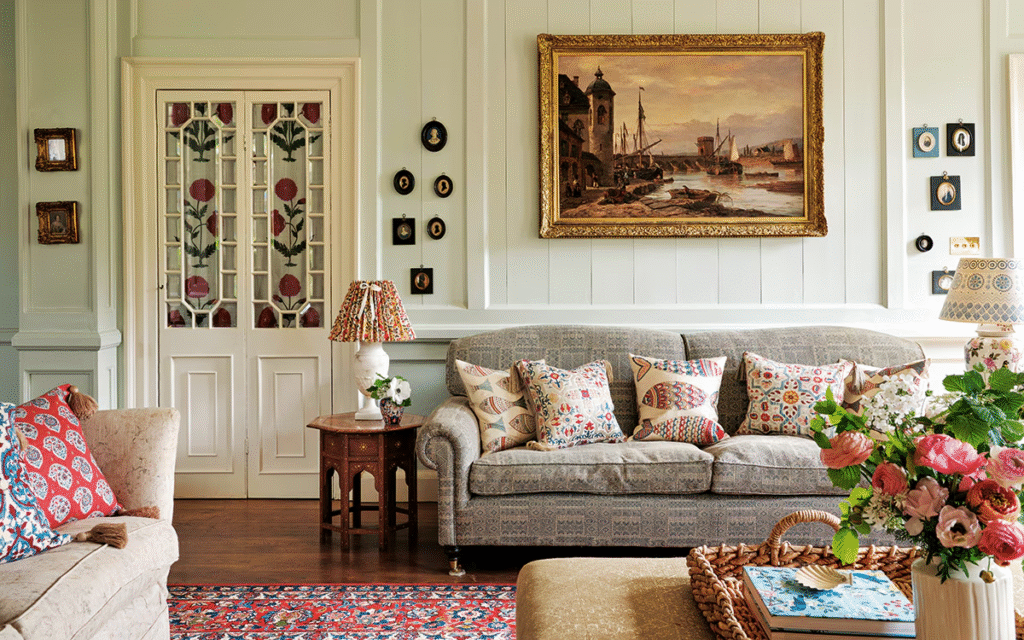
The living room is one of the most important spaces in a home. It is where families spend time together, guests are welcomed, and everyday moments turn into lasting memories. A well-designed living room should balance comfort, functionality, and style while reflecting your personal taste.
Whether you have a small apartment or a spacious house, you can transform your living room with thoughtful furniture choices, attractive lighting, coordinated colors, and simple decorative touches. Here are some of the best living room ideas to help you create a stylish and cozy home.
Choose a Comfortable and Stylish Sofa
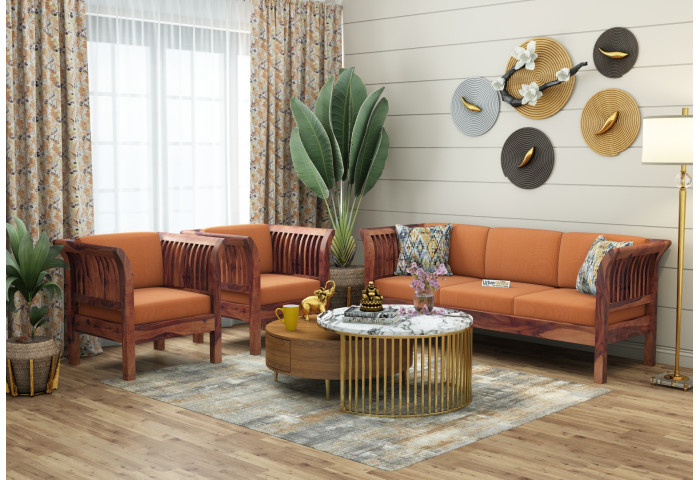
The sofa is often the main feature of a living room, so choose one that offers comfort and suits the available space. A large sectional sofa can work well in a spacious room, while a compact two-seater or loveseat may be better for a smaller apartment.
Consider neutral shades such as beige, cream, grey, or soft brown for a timeless appearance. You can add colorful cushions and a textured throw blanket to introduce personality without changing the main furniture.
Design tip: Measure your room before buying a sofa and leave enough space for comfortable movement around it.
Use a Light and Coordinated Color Palette
Color plays an important role in the overall appearance of your living room. Light colors can help a compact room feel more open, while deeper shades can create a rich and intimate atmosphere when used thoughtfully.
Popular living room color combinations include:
- White and beige: A clean, timeless, and peaceful look.
- Cream and wood: A warm and natural atmosphere.
- Sage green and white: A fresh and relaxing appearance.
- Grey and soft blue: A modern and balanced style.
- Terracotta and cream: An earthy, welcoming feel.
You can use one main color, one complementary shade, and a small accent color to keep the room visually coordinated.
Add Warm and Layered Lighting
Good lighting can make a living room feel more inviting and functional. Instead of relying only on a ceiling light, combine different light sources to suit various activities.
Consider these options:
- Ceiling lights: Provide general illumination throughout the room.
- Floor lamps: Add focused light beside a reading chair or sofa.
- Table lamps: Create a softer atmosphere on side tables or consoles.
- Wall lights: Highlight artwork or add decorative lighting.
- Natural light: Keep windows unobstructed where possible to brighten the room during the day.
Warm-white lighting is often a good choice for relaxing areas, while brighter task lighting can help with reading and other activities.
Decorate Walls With Art and Mirrors
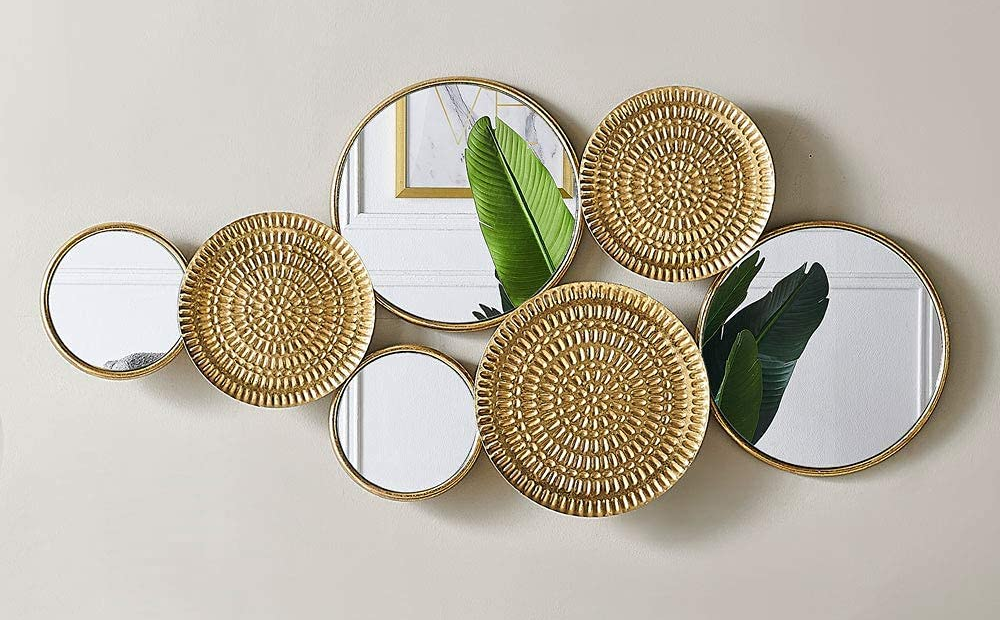
Empty walls can make a living room feel unfinished. Wall art, framed photographs, decorative mirrors, and simple wall shelves can help give the space more character.
A gallery wall is a good option if you enjoy displaying artwork or personal photographs. For a simpler look, choose one large piece of art above the sofa.
Mirrors can reflect light and create a sense of greater depth, particularly in smaller rooms. Position them thoughtfully so they reflect an attractive part of the room rather than clutter.
Design tip: Keep artwork proportionate to the furniture beneath it, and avoid filling every wall with decorations.
Make a Small Living Room Feel Spacious
A small living room can still look attractive and comfortable with the right layout. The key is to make good use of available space without overcrowding it.
Try these practical ideas:
- Choose furniture with slim profiles and suitable dimensions.
- Use nesting tables or furniture with built-in storage.
- Install floating shelves to keep floors clear.
- Select curtains that hang neatly and allow natural light in.
- Keep walkways open and remove unnecessary furniture.
- Use a large mirror to create a greater sense of depth.
Multifunctional furniture is particularly useful in apartments because it can provide extra storage without taking up additional floor space.
Bring Nature Indoors With Houseplants
Indoor plants can add color, texture, and a natural touch to your living room. They work well in contemporary, traditional, minimalist, and bohemian interiors.
You can place a tall plant in an empty corner, arrange smaller plants on shelves, or use a tabletop plant as a centerpiece. Choose plants according to the natural light available and the amount of care you can provide.
For example, a snake plant may suit a room with indirect light, while a money plant can be displayed on a shelf or allowed to trail from a hanging planter.
Avoid overcrowding the room with too many plants, and make sure their watering and lighting needs are met.
Create a Cozy Look With Rugs and Cushions
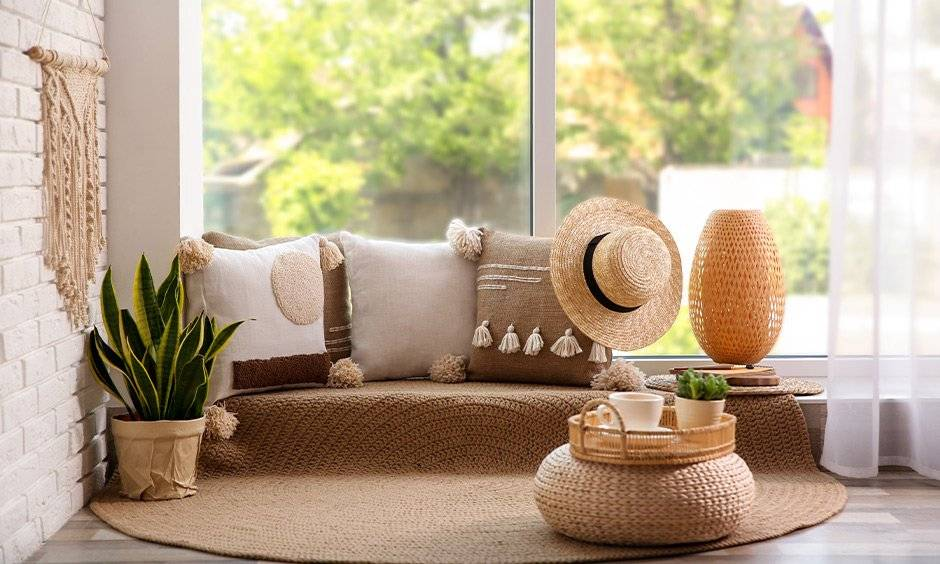
Soft furnishings can make a living room feel more comfortable without requiring a major renovation. Rugs, cushions, curtains, and throws also provide opportunities to introduce patterns and textures.
Choose a rug that fits the seating area rather than one that looks too small beneath the furniture. Ideally, the front legs of the main seating pieces can rest on the rug to help visually connect the arrangement.
Combine different textures, such as cotton cushions, knitted throws, linen curtains, and a woven rug. Keep the colors coordinated so the room feels layered rather than cluttered.
Select a Functional Coffee Table
A coffee table provides a convenient surface for drinks, books, decorative objects, and everyday essentials. Its size and shape should complement your seating arrangement.
- Round tables: Useful for softer visual lines and compact seating areas.
- Rectangular tables: Work well with longer sofas.
- Nesting tables: Offer flexibility when extra surface space is needed.
- Storage coffee tables: Help keep remotes, magazines, and small items organized.
Leave enough room between the sofa and coffee table for people to sit down and move comfortably. Decorate the table with just a few objects, such as a small vase, a tray, or a stack of books.
Try a Modern Minimalist Living Room
Minimalist design focuses on simplicity, practical furniture, and carefully selected decorations. It is a useful approach if you want a living room that feels calm and easy to maintain.
Start with essential furniture and choose pieces that serve a clear purpose. Use a limited color palette, keep surfaces relatively clear, and store everyday items in closed cabinets or baskets.
Minimalism does not mean that your living room must look empty. Natural materials, textured fabrics, subtle artwork, and carefully placed lighting can make the space feel warm and personal.
Design a Family-Friendly Living Room
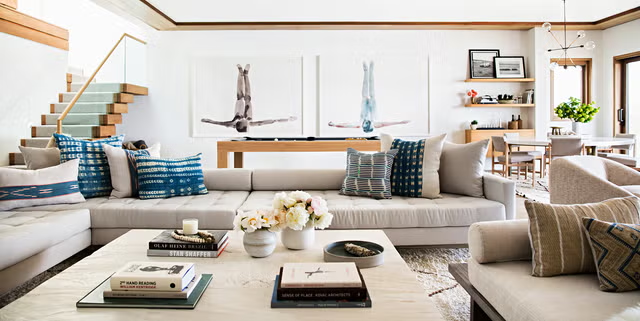
A family-friendly living room should be comfortable, practical, and easy to organize. Consider how the space will be used throughout the day before choosing furniture and decorations.
Look for durable upholstery, washable cushion covers, and storage baskets for toys, books, or other frequently used items. If young children use the room, consider rounded furniture edges and secure heavy furniture to walls where appropriate.
Arrange the seating so family members can talk comfortably, watch television, read, or play games together. Keeping frequently used items within easy reach can also make the room easier to maintain.
Use Wooden Furniture for a Warm and Natural Feel
Wooden furniture can add warmth and visual texture to a living room. Coffee tables, TV units, side tables, bookshelves, and wooden frames are all useful ways to introduce natural materials.
Light wood often complements Scandinavian and minimalist interiors, while darker wood can create a more traditional or sophisticated appearance.
For a balanced look, combine wooden furniture with soft upholstery, neutral walls, and a few decorative accents. Matching every wooden piece exactly is not essential; similar undertones and finishes can help the room feel coordinated.
Refresh Your Living Room on a Budget
You do not need to purchase expensive furniture to improve your living room. Small changes can make a noticeable difference when they are planned carefully.
Here are some budget-friendly ideas:
- Rearrange existing furniture to improve the layout.
- Replace old cushion covers with coordinated designs.
- Add an affordable floor lamp or table lamp.
- Display personal photographs in simple frames.
- Refresh the room with a washable rug or throw.
- Use indoor plants to add natural color.
- Declutter shelves and organize visible items.
- Update cabinet handles or repaint suitable furniture.
Start with the changes that will make the greatest difference to your room. A refreshed layout, better lighting, and coordinated soft furnishings may be more valuable than buying several new decorative pieces.
How to Choose the Best Living Room Style
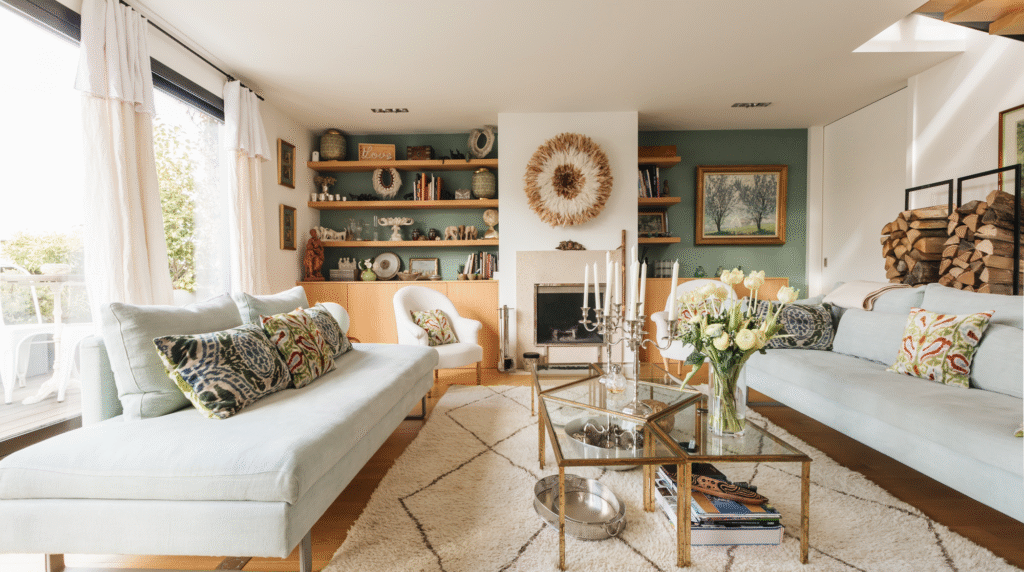
The best living room design depends on your available space, budget, lifestyle, and personal preferences.
For small apartments
Choose compact furniture, light colors, wall-mounted storage, and multifunctional pieces.
For family homes
Prioritize comfortable seating, durable fabrics, safe furniture placement, and practical storage.
For a sophisticated look
Use coordinated colors, statement lighting, attractive artwork, and a few well-chosen decorative pieces.
For a budget makeover
Rearrange existing furniture, refresh textiles, add plants, and improve lighting before buying new items.
FAQ’s
1. How can I make my living room look stylish?
Use coordinated colors, comfortable furniture, layered lighting, attractive artwork, and a few well-chosen accessories.
2. Which colors are best for a cozy living room?
Beige, cream, warm white, soft brown, and sage green can create a welcoming atmosphere.
3. How can I decorate a small living room?
Choose appropriately sized furniture, use vertical storage, keep walkways clear, and maximize natural light.
4. How can I decorate my living room on a budget?
Rearrange furniture, update cushion covers, add plants, improve lighting, and reuse existing decorations.
5. Which lighting is best for a living room?
Combine general ceiling lighting with floor lamps, table lamps, or wall lights to create a flexible and inviting space.