
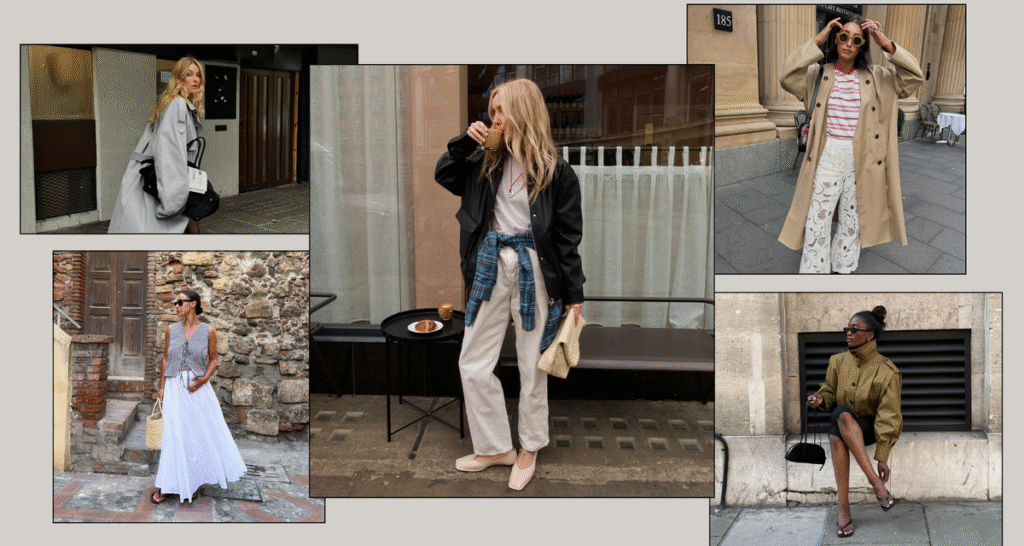
The fashion industry is built on a massive, expensive lie. It wants us to believe that if we aren’t wearing a specific designer logo, carrying a bag that costs a month’s rent, or constantly buying whatever micro-trend exploded on the internet this morning, we are somehow falling behind.But true style has absolutely nothing to do with a price tag.
We’ve all seen people dressed from head to toe in incredibly expensive designer gear who still look messy or uncoordinated. And we’ve seen people walk into a room wearing a simple, budget-friendly outfit who look completely striking, elegant, and effortlessly polished. The secret to looking expensive isn’t about how much money you throw at your closet—it’s about understanding fit, color, and how to make simple pieces look intentional.
The Core Concept: Style is Strategy, Not a Bank Account

When you stop treating your wardrobe like a collection of status symbols and start treating it as a toolkit, the rules completely change.
The Subtle Hacks That Look Like a Fortune
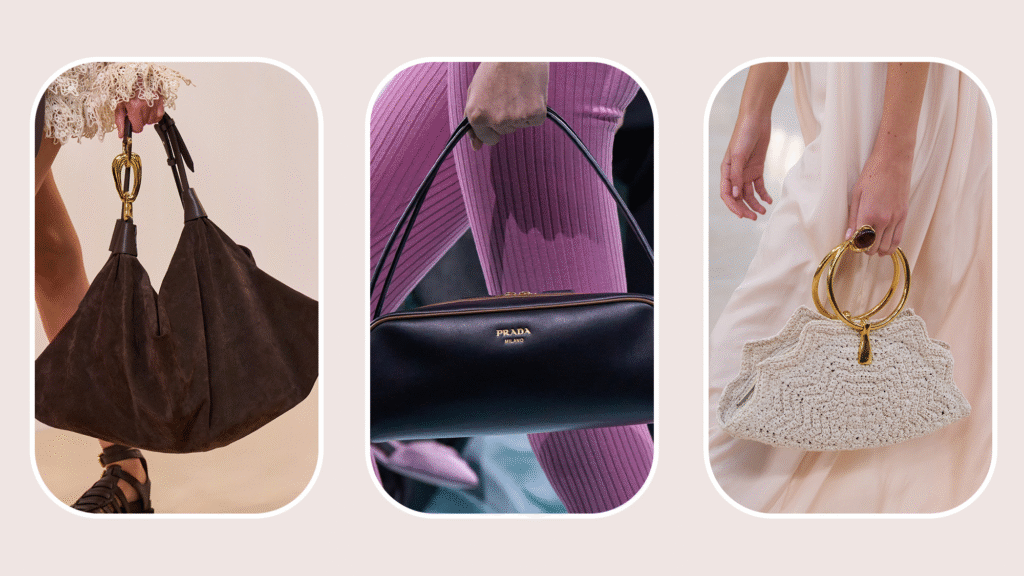
Nail the Tailoring (The Ultimate Cheat Code)
The single biggest difference between a cheap piece of clothing and a luxury designer garment isn’t the fabric—it’s the fit. Luxury clothes look expensive because they are cut to look custom-made.
The Fix: If you buy a budget blazer or a pair of trousers and they are slightly too long in the sleeves or loose in the waist, take them to a local tailor. Having a cheap item altered to fit your specific proportions instantly makes it look like you spent hundreds of dollars on it. It’s a tiny investment that completely transforms an outfit.
Lean Hard into Neutrals
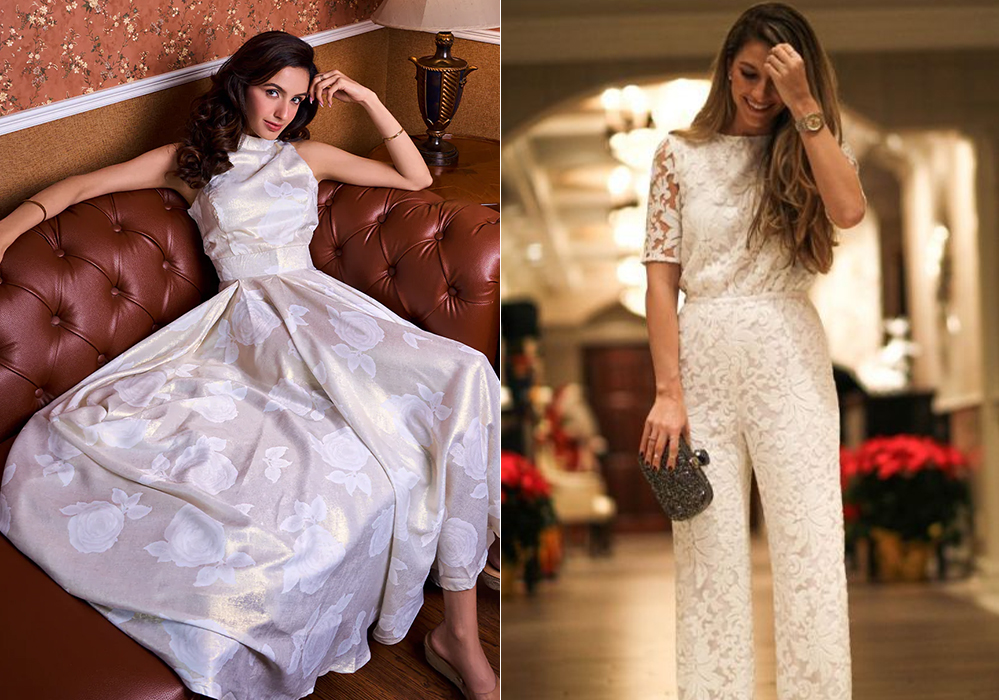
Bright, loud prints and hyper-specific patterns are incredibly hard to pull off on a budget because cheap synthetic dyes and fast-fashion prints tend to look, well, cheap. If you want an effortless shortcut to looking sophisticated, stick to a palette of rich neutrals. Cream, beige, camel, navy, gray, and solid black always look expensive. A monochromatic outfit—like a cream sweater paired with beige trousers—naturally creates a clean, high-end aesthetic that tricks the eye every single time.
Structured Over Slouchy
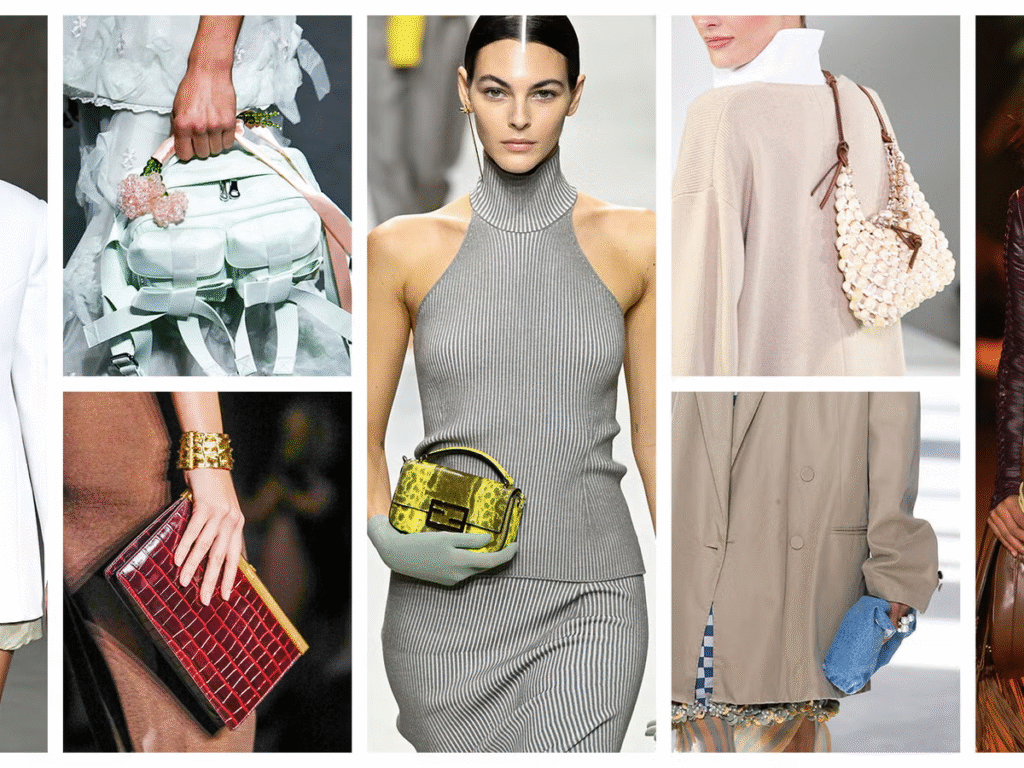
When you are shopping on a budget, pay close attention to the weight and structure of the fabric. Flimsy, thin, wrinkly materials tend to give away low quality instantly. Instead, look for pieces with built-in structure. A blazer with defined shoulders, a coat with a crisp collar, or trousers made from a heavier cotton blend will hold their shape throughout the day, giving off a tailored, premium vibe.
Elevating the Basics
[ Plain Tee + Jeans ] ───> Casual, Basic, Ordinary
[ Plain Tee + Jeans ] + Structured Blazer + Classic Belt ───> Effortlessly Chic
The Power of the Blazer
If you only invest in one piece to elevate your daily style, make it a structured blazer. You can take the most basic, casual outfit in the world—a plain white t-shirt and jeans—throw a well-fitted camel or black blazer over your shoulders, and you are instantly ready for a business meeting or a nice dinner. It sharpens your silhouette and adds instant authority to your look.
Shoes and Bags Hold the Whole Outfit Together
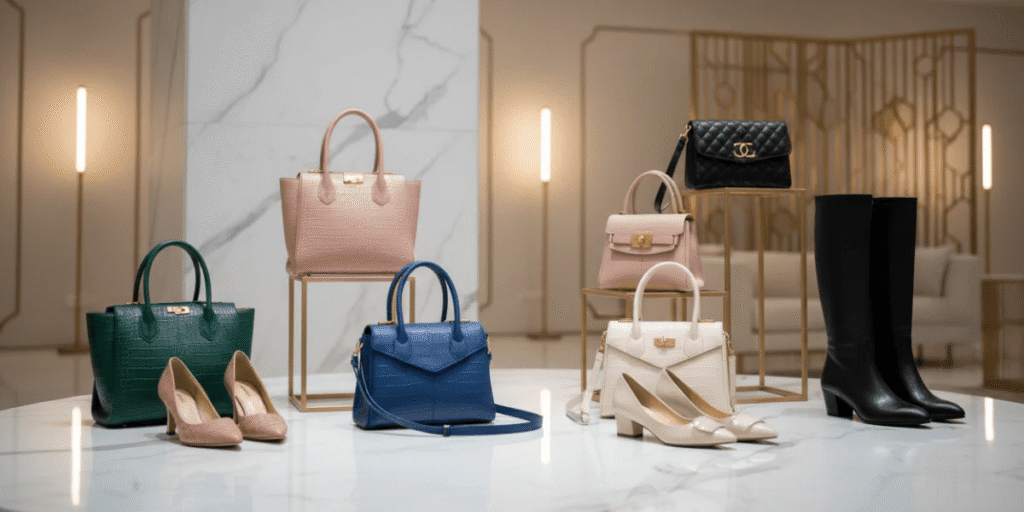
You can wear a completely inexpensive dress or an affordable pair of pants, but if your shoes are scuffed and your handbag is floppy and overstuffed, the whole illusion falls apart.
- Keep it clean: Opt for shoes with clean, minimalist lines—like pointed-toe flats, classic loafers, or simple ankle boots.
- The bag rule: Look for structured handbags without loud, fake-gold hardware or giant, tacky branding. A simple, unbranded bag with clean edges always looks more high-end than a cheap copy of a designer logo.
The Capsule Wardrobe: Quality Over Quantity
The goal isn’t to have a massive, overflowing closet full of clothes you only wear once. That just creates decision fatigue every morning. The goal is to build a capsule wardrobe—a smaller collection of highly versatile, classic pieces that work together seamlessly.
Focus on the staples that never go out of style: a crisp white button-down, a great-fitting pair of dark-wash denim, a simple black dress, and a tailored coat. When your clothes are versatile, you can mix and match them endlessly, meaning you actually buy less but always look put together.
Carry It with Total Assuredness
At the end of the day, the most expensive thing you can wear is your own confidence. If you feel uncomfortable, stiff, or like you are trying to dress up as someone else, it shows. True elegance is quiet. It doesn’t scream for attention with flashy logos. Wash your clothes properly, keep your shoes clean, steam out the wrinkles before you leave the house, and carry yourself with ease. When you own your look, nobody is checking the tag.
Frequently Asked Questions
1.Can affordable clothing really look expensive?
Yes. Clothing that fits well, uses quality-looking fabrics, and features timeless designs can easily appear more expensive than its actual price.
2.What colors make outfits look more luxurious?
Neutral colors such as black, white, beige, cream, navy, and gray are often associated with luxury fashion because they create a clean and sophisticated appearance.
3.How can I make cheap clothes look high-end?
Focus on proper fit, maintain your clothing carefully, choose classic styles, and pair outfits with elegant accessories that enhance the overall look.
4.Are accessories important for creating a luxury appearance?
Absolutely. Accessories such as handbags, belts, jewelry, and shoes can significantly elevate an outfit and make affordable clothing look more refined.
5.What is a capsule wardrobe?
A capsule wardrobe is a collection of versatile clothing items that can be mixed and matched to create multiple outfits while maintaining a cohesive style.
6.Is tailoring affordable clothing worth it?
Yes. Minor alterations often cost very little but can dramatically improve how clothing fits and looks, making even budget-friendly pieces appear custom-made.
7.Which fashion items should I invest in first?
A tailored blazer, quality shoes, a structured handbag, and versatile wardrobe basics are excellent investments that provide long-term value.