
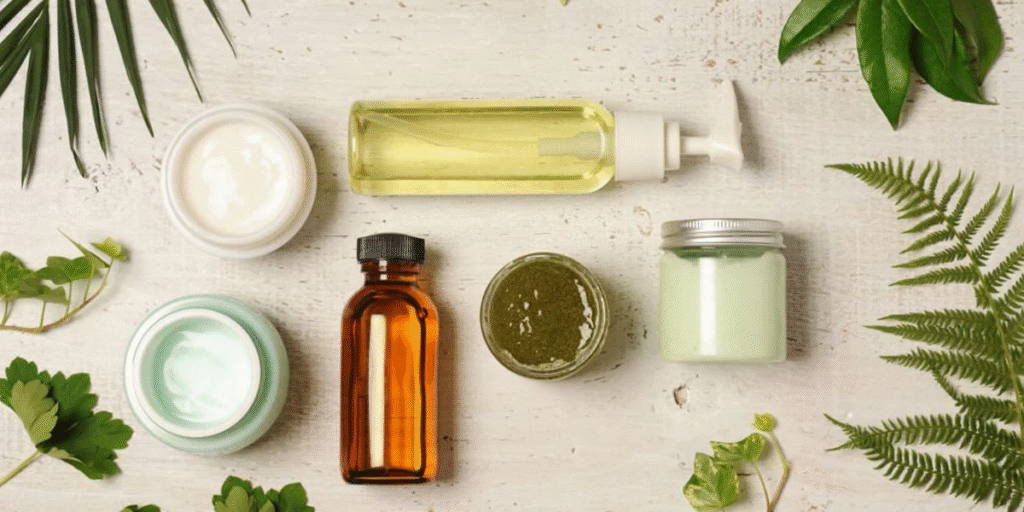
Shopping for skincare has become an exhausting game of chemical vocabulary decoding. Every time you walk through those glass doors, you are bombarded with labels promising a healthy glow, youthful skin, and a completely transformed complexion. The truth is that the beauty industry operates under incredibly loose regulatory guidelines when it comes to marketing terminology. A brand can legally place a single, microscopic drop of a plant extract into a massive vat of synthetic petroleum filler and still print the word “natural” across the front of the bottle.
This leaves you holding an expensive product, wondering if it will actually repair your damaged skin barrier or simply trigger a massive, painful breakout. For generations, people assumed that opting for organic skincare meant buying a strange, separating mud cream from a local farmer’s market that smelled like patchouli and spoiled within two weeks. Sephora completely flipped that dynamic on its head. They introduced highly sophisticated, shelf-stable, botanically dense formulations that prove you do not have to sacrifice high-end luxury or clinical results to feed your skin clean nutrients.
Defining Clean, Natural, and Organic
To avoid throwing your hard-earned money away on useless formulas, you have to understand the legal distinctions separating the products on the shelves. Clean beauty is fundamentally a defensive formulation framework; it simply means a brand has decided to black-list specific ingredients known to cause widespread skin irritation, hormone disruption, or long-term environmental damage. It is an omission game, not a declaration of purity.
- “Clean” Beauty: This is primarily an omission game. It means a product leaves out a specific list of controversial synthetic chemicals—like sulfates, parabens, and formaldehydes. It does not mean the product is entirely organic or plant-derived.
- “Natural” Skincare: The ingredients are derived from nature (plants, minerals, or marine life) rather than cooked up in a pure synthetic lab. Keep in mind: poison ivy is natural, but you wouldn’t rub it on your face.
- “Organic” Skincare: This is the strictest category. It guarantees that the botanical ingredients were grown and harvested without synthetic pesticides, chemical fertilizers, or GMOs. It’s the closest you can get to ensuring no toxic chemical runoff ends up on your skin barrier.
The Multi-Step Plant-Backed Pipeline

Your skin barrier doesn’t need a chaotic, ten-step routine that costs a car payment. It is a living, self-regulating ecosystem. It just needs you to stop stripping it raw and start feeding it bio-compatible nutrients. Here is the daily order of operations that actually works:
Step 1: Cleansing Without Stripping
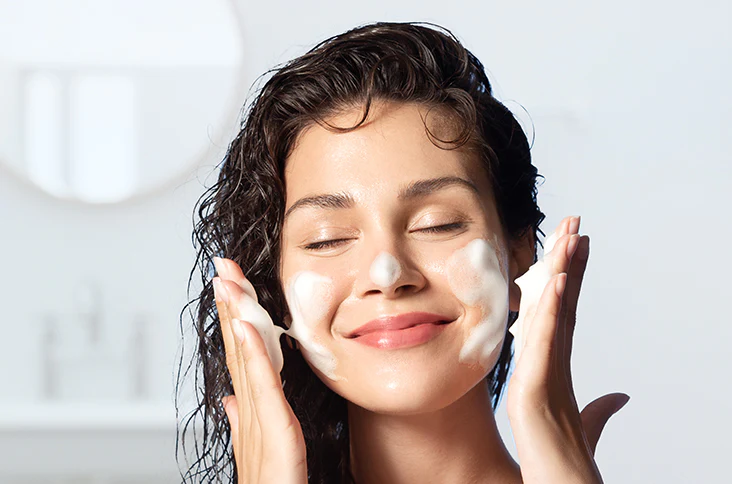
The single most destructive mistake people make in their daily routine is scrubbing their face until it feels completely tight, dry, and squeaky clean. That tight sensation is not cleanliness; it is the physical feeling of your vital acid mantle being utterly decimated. When your skin barrier is stripped of its protective lipids, it panics and overcompensates by producing a massive flood of excess sebum, which inevitably leads to clogged pores, whiteheads, and painful cystic acne.
These cold-pressed plant extracts carry an immense, natural payload of trans-retinoic acid and antioxidants that neutralize free radicals before they can destroy your underlying collagen matrix. Because these organic formulas lack heavy synthetic silicone coatings, the plant actives absorb deeply into the dermis rather than just sitting flat on top of your face creating a fake, temporary shine.
Step 2: High-Potency Targeted Serums
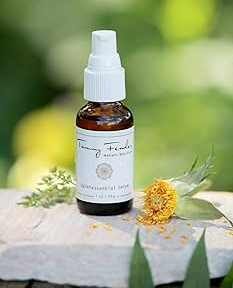
Serums are the true workhorses of your vanity cabinet, and they are where you should allocate the largest portion of your skincare budget. Because serums are formulated with small molecular weights, they can bypass the surface layers of dead skin to deliver active biological molecules straight to your living tissue. If your main goals are fading stubborn hyperpigmentation, reversing sun damage, or smoothing out fine lines, you should look for wild-crafted Rosehip Seed Oil or stabilized forms of Vitamin C.
These cold-pressed plant extracts carry an immense, natural payload of trans-retinoic acid and antioxidants that neutralize free radicals before they can destroy your underlying collagen matrix. Because these organic formulas lack heavy synthetic silicone coatings, the plant actives absorb deeply into the dermis rather than just sitting flat on top of your face creating a fake, temporary shine.
Step 3: Locking in Lipid Hydration
Your skin requires a steady supply of healthy fatty acids to remain bouncy, resilient, and elastic against everyday environmental stressors. Traditional clinical moisturizers frequently use cheap petroleum derivatives, such as mineral oil or liquid paraffin, to coat the skin and trap moisture. While effective at blocking air, these synthetic ingredients do nothing to actually nourish your cells.
Organic moisturizers, by contrast, utilize bio-compatible plant lipids like Squalane, Argan oil, and Avocado butter. Because the molecular structure of these specific plant fats closely mirrors your skin’s natural human sebum, your skin barrier recognizes them instantly. They melt smoothly into the cellular matrix, repairing microscopic gaps between your skin cells, preventing transepidermal water loss, and keeping your skin plump for hours without suffocating or congesting your pores.
Step 4: The Physical Mineral Sun Shield
Skipping daily sun protection while investing in expensive anti-aging serums is like trying to wash your car while a mudstorm is raging outside. Chronic ultraviolet exposure causes up to eighty percent of premature skin aging, visible wrinkles, and cellular degradation. Organic and natural-leaning sunscreens ditch synthetic chemical filters—which absorb UV light and turn it into heat inside your tissues—in favor of physical minerals like Zinc Oxide and Titanium Dioxide.
These natural minerals sit completely flat on top of the stratum corneum like a microscopic suit of armor, physically deflecting and scattering harmful UVA and UVB rays away from your face. Furthermore, zinc oxide is a natural anti-inflammatory agent, making mineral sunscreens incredibly soothing for anyone struggling with chronic rosacea, active acne flare-ups, or highly reactive skin types.
Two Massive Skincare Myths to Drop Right Now
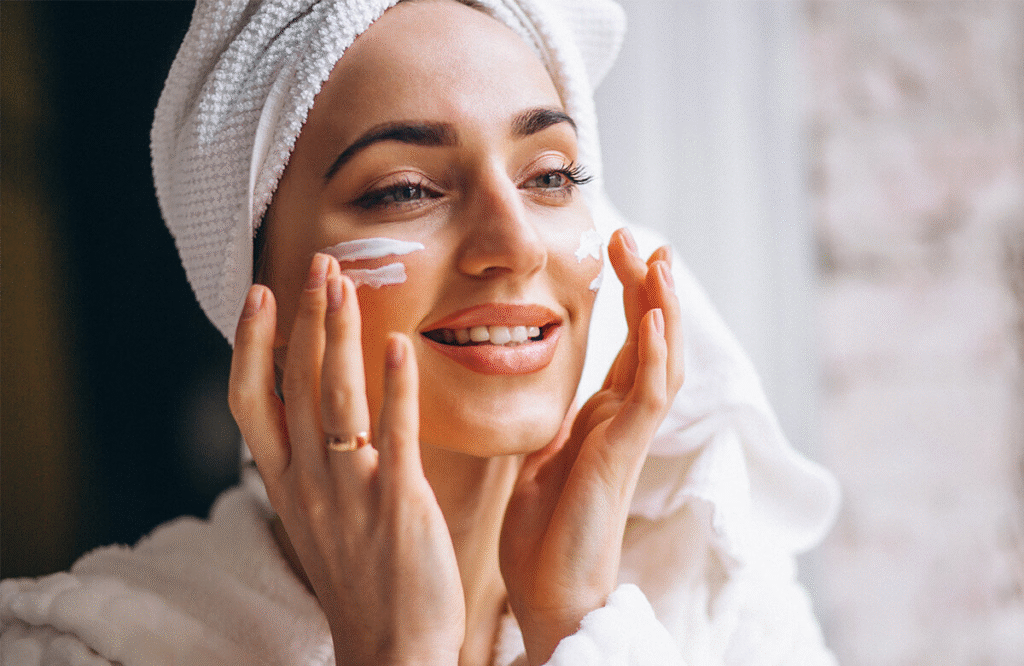
Myth 1: Natural ingredients aren’t powerful enough.
This is completely outdated thinking. Plants are literal chemical powerhouses. Some of the most celebrated anti-aging and exfoliating ingredients used by clinical brands—like Bakuchiol (a natural retinol alternative) or Willow Bark Extract (natural salicylic acid)—are pulled straight from the ground. The organic-leaning brands winning at Sephora right now are backing these botanicals with serious clinical trials. They work; they just don’t irritate your skin in the process.
Myth 2: If a product is organic, it’s 100% hypoallergenic.
Absolutely not. You can be just as allergic to a rare organic flower extract or an essential oil as you can be to a synthetic chemical. Heavy natural oils (like unrefined coconut oil) can also be highly comedogenic, meaning they might cause breakouts if you have oily or acne-prone skin. Always patch-test a new product on your jawline or inner wrist for 24 hours before applying it to your entire face.
The Sephora Cheat Sheet: Read the Back, Not the Front
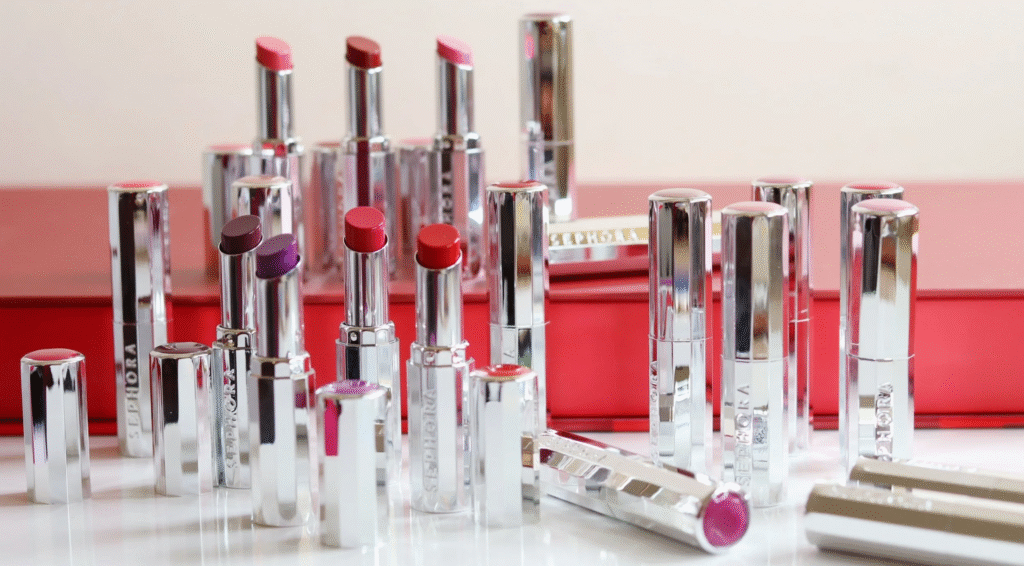
When you are walking the aisles at Sephora, ignore the gorgeous minimalist packaging and the clever marketing copy. Flip the box over and read the ingredient list. By law, ingredients are listed from highest concentration to lowest.
A bottle screams that it is an “Organic Avocado Miracle Treatment,” but avocado oil is the twentieth ingredient on the list right behind synthetic fragrances and silicones, you are being greenwashed. Put it back, look for products where the botanical extracts sit proudly in the top five slots, and let nature do the heavy lifting.
Frequently Asked Questions
1.What are organic skincare products?
Organic skincare products are formulated with ingredients grown and processed according to organic farming standards, often avoiding synthetic pesticides and harmful chemicals.
2.Are organic skincare products better for sensitive skin?
Many organic skincare products use gentle, naturally derived ingredients that may be suitable for sensitive skin, although individual reactions can vary.
3.Does organic skincare really work?
Yes. Many organic skincare products contain effective botanical extracts, antioxidants, vitamins, and natural oils that can support healthy skin.
4.Can I use organic skincare every day?
Most organic skincare products are designed for daily use, including cleansers, moisturizers, serums, and sunscreens.
5.What should I look for in an organic moisturizer?
Look for nourishing ingredients such as jojoba oil, argan oil, aloe vera, shea butter, and antioxidant-rich plant extracts.