
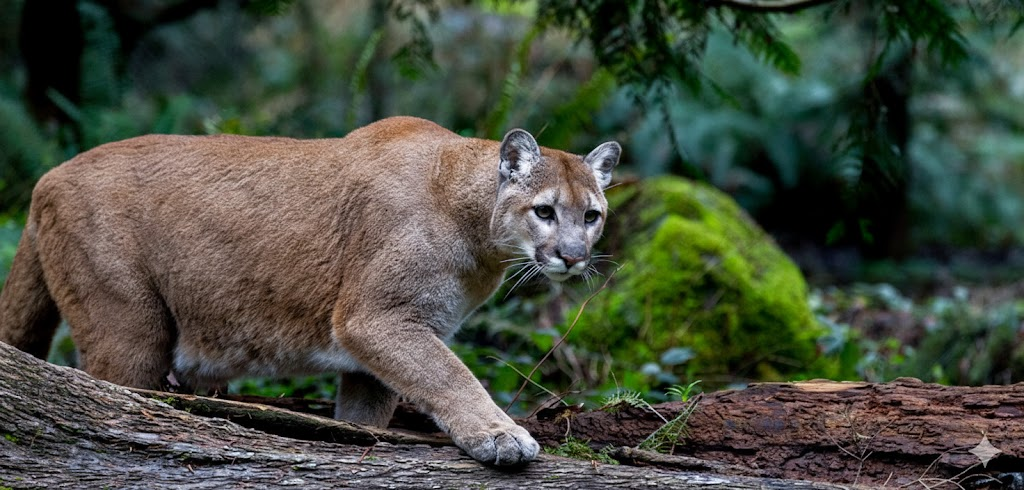
Olympic National Park is one of those rare places where it feels like you’re visiting several worlds in a single trip. In just a few hours, you can stand on a wild Pacific coastline, wander through a moss-covered rainforest, and then find yourself surrounded by snow-capped mountains. This diversity is what makes the park so special—and also why planning ahead is essential.
If you’re thinking about visiting Olympic National Park for the first time, here’s everything you need to know before you go.
Where Olympic National Park Is Located

Olympic National Park sits on Washington State’s Olympic Peninsula, northwest of Seattle. The park is massive, covering nearly one million acres, and there is no single main entrance. Instead, you access different areas from different towns, which means driving times between locations can be longer than expected.
Because of this layout, understanding the park’s geography before your trip will save you time and frustration.
What Makes Olympic National Park Unique


Unlike many national parks that focus on one main landscape, Olympic National Park protects several distinct ecosystems:
- Temperate rainforests with towering trees and thick green moss
- Rugged Pacific coastline with sea stacks and driftwood beaches
- Alpine mountains with glaciers, wildflower meadows, and scenic viewpoints
Few places in the United States offer this level of ecological diversity in one park, which is why Olympic National Park is a UNESCO World Heritage Site.
Best Time to Visit Olympic National Park

The best time to visit Olympic National Park is from June through September. During these months, most roads, trails, and visitor areas are accessible, and the weather is generally more stable.
Spring brings waterfalls and fewer crowds, but some higher-elevation areas may still be snow-covered. Fall offers beautiful colors and quieter trails, though rain becomes more common. Winter is ideal for snowshoeing and solitude, but many roads and facilities close due to snow.
No matter the season, rain is always possible. Olympic National Park is one of the wettest places in the continental United States.
Top Places You Shouldn’t Miss
Hoh Rain Forest
This is one of the most famous areas of the park. Walking through the Hoh Rain Forest feels like stepping into another time, with massive trees, hanging moss, and quiet forest trails.
Hurricane Ridge
Hurricane Ridge offers some of the best mountain views in the park. On a clear day, you can see the Olympic Mountains and even spot wildlife like deer and marmots.
Rialto Beach and Ruby Beach
These wild coastal beaches are known for dramatic sea stacks, crashing waves, and incredible sunsets. They feel raw and untamed compared to typical beach destinations.
Lake Crescent
Lake Crescent is a crystal-clear lake surrounded by forested mountains. It’s a great spot for kayaking, short hikes, or simply relaxing by the water.
Hiking and Outdoor Activities

Olympic National Park offers hiking trails for all experience levels. You’ll find short nature walks, scenic viewpoints, and challenging backcountry routes. Popular hikes include rainforest trails, alpine ridges, and coastal routes that follow the shoreline.
Beyond hiking, visitors can enjoy:
- Wildlife viewing
- Tide pooling along the coast
- Camping and backpacking
- Photography and stargazing
Always check trail conditions before heading out, especially in shoulder seasons.
What to Pack for Your Trip
Packing smart is key when visiting Olympic National Park. Essentials include:
- Waterproof jacket and layers
- Sturdy hiking shoes
- Daypack with food and water
- Offline maps or GPS
- Camera or binoculars
Even in summer, temperatures can change quickly, especially in higher elevations.
Where to Stay Near the Park

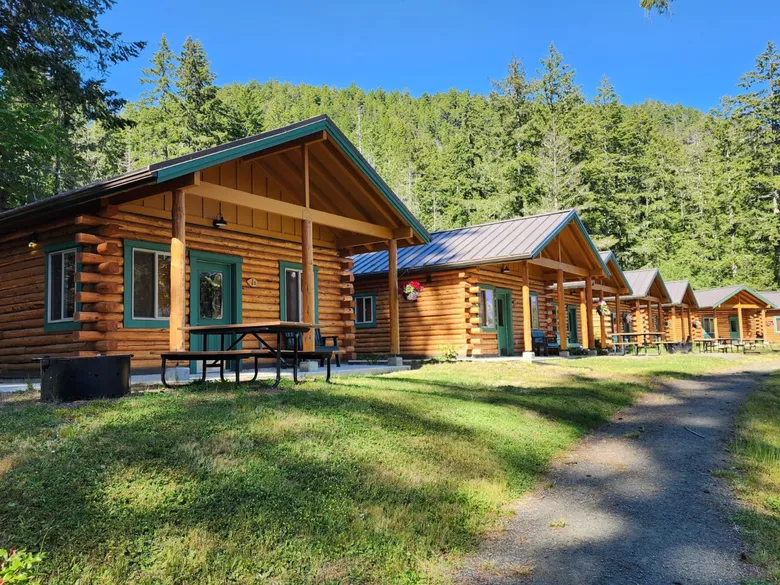
There are no large hotels inside Olympic National Park, but there are lodges, campgrounds, and many nearby towns offering accommodations. Popular base towns include Port Angeles, Forks, and Sequim.
Booking early is strongly recommended during peak season.
Important Tips Before You Go
- Plan your route carefully due to long driving distances
- Start your days early to avoid crowds
- Respect wildlife and keep a safe distance
- Follow Leave No Trace principles
- Be prepared for limited cell service

The Best Fashion Guide for Margovil Trending Dresses, Tops, Styles
Fashion is more than following trends. It’s about finding pieces that fit your body, your…

How to Build the Perfect Winter Skincare Routine for Healthy Skin
Winter can be a challenging season for your skin. Cold air, low humidity, chilly winds,…

The Best Navratri Coupons 2026 Makeup, Skincare & Haircare Deals
Navratri is all about nine nights of music, dancing, bright outfits, family celebrations, and festive…

The Best Wedding Bridal Makeup, Skincare & Haircare Essentials
A stunning wedding look is never about Bridal Makeup one magical potion. It is a…

The Best Traditional Outfit Ideas for Ganesh Chaturthi
Celebrating Ganesh Chaturthi is all about warmth, devotion, and that incredible community spirit. Traditional Outfit…

The Best Living Room Design Ideas Modern & Stylish
The Modern living room is where real life happens. It’s where we kick off our…
Final Thought
Olympic National Park is not a place you rush through. It rewards travelers who take the time to slow down, explore different ecosystems, and embrace the unpredictable nature of the Pacific Northwest. With a little planning and an open mindset, your visit can be both peaceful and unforgettable.
This article is intended for general travel information only. Conditions such as weather, road access, trail availability, and park regulations may change at any time. Always consult official National Park Service resources and local authorities before your visit.
#OlympicNationalPark #WashingtonState #NationalParksUSA #OutdoorAdventure #HikingLife #NatureTravel #PacificNorthwest #TravelPlanning #ExploreMore #Anslation #Carrerbook